
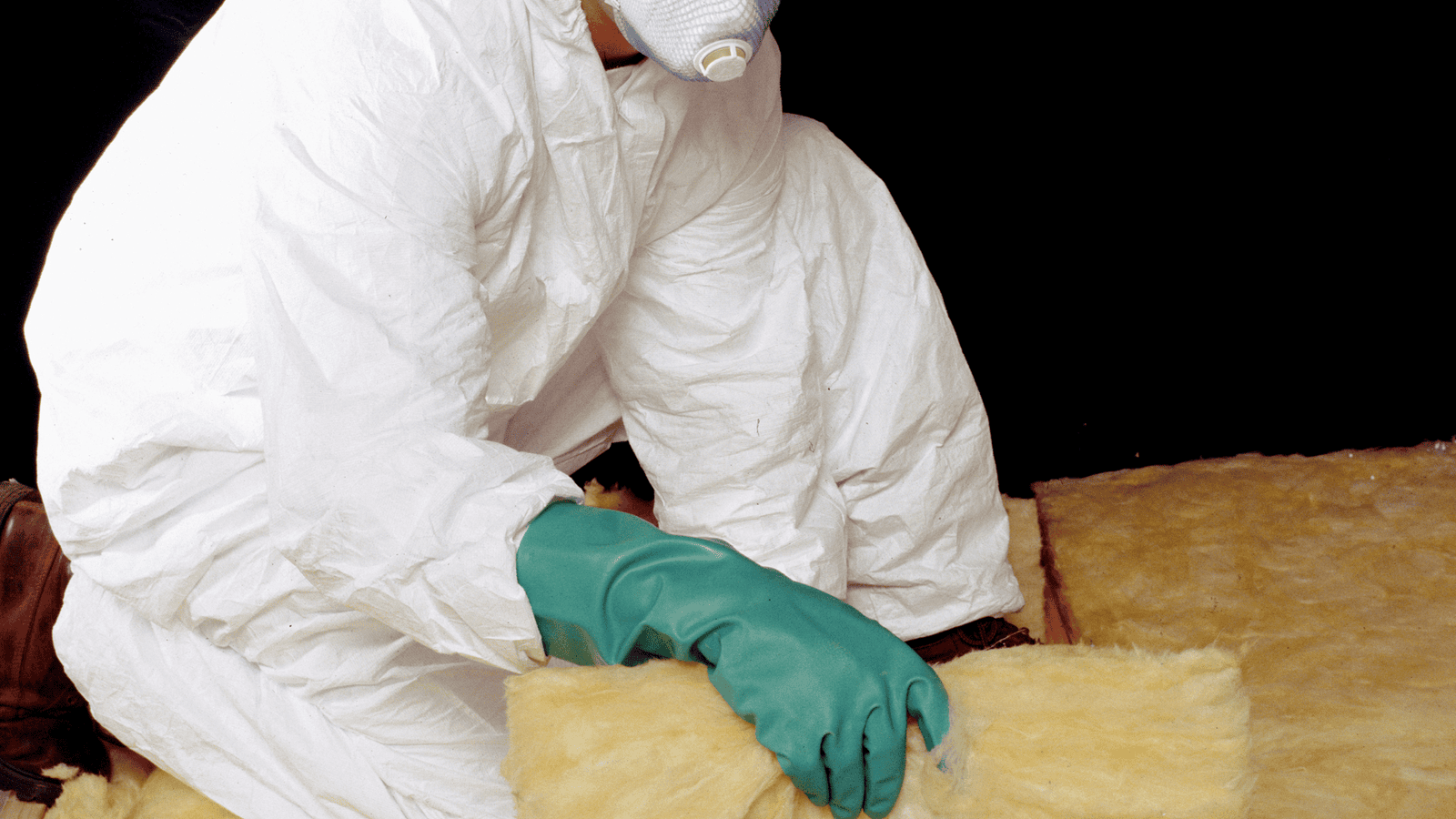
Insulation contractor insurance is the coverage program built for licensed installers who put batt, blown-in, spray foam, or acoustical material into buildings they do not own. The work looks simple from the driveway, but the claims are not. An open attic hatch can drop a homeowner onto the garage floor. A foam gun can put overspray on a finished cabinet that nobody notices until the punch list is long closed. A blower riding in an open trailer can disappear overnight. A good program has to answer for all of that, and it has to do it under the license rules of whichever state the job is in. Western Pacific Insurance is an independent agency based in Henderson, Nevada, licensed in Nevada, California, Arizona, and Utah, and we write this trade. If you want the wider picture of what every construction business carries, start with our guide to contractor insurance explained and come back here for the insulation specifics.
Who Needs Insulation Contractor Insurance?
This guide is for the contractor whose invoice is the insulation itself. That includes residential attic top-offs, new-construction wall cavities, commercial R-value packages, radiant barriers, acoustical panels, and the weather-stripping and firestop work that often rides along on the same ticket. It does not matter whether you run a two-person batt crew out of a pickup or a spray rig with a payroll. If you are the one being paid to fill the cavity, this is your policy conversation.
One distinction is worth making early, because it affects how your policy gets rated. If insulation is a small side line inside a larger operation, the larger operation usually drives the classification. A crew that mostly hangs and finishes board should read our guide to drywall contractor insurance, a crew that builds the walls first belongs on framing contractor insurance, and the builder who hires you as a sub needs general contractor insurance. Everything below assumes insulation is your main revenue.
What Coverage Does an Insulation Contractor Need?
Most insulation operations run on the same core stack, and general liability sits at the bottom of it. General liability responds when your work injures someone outside your company or damages property that is not yours. A neighbor trips over your staging in the garage. Overspray lands on a finished countertop. Your helper backs the blower into a parked car while unloading. Those are general liability claims, and they are the reason every builder and property manager asks for your certificate before you set foot on site.
Workers compensation covers your own people. Attic work produces a steady stream of falls through joists, twisted backs from foam-kit carries, and heat injuries in summer, and no other policy pays for those. Commercial auto covers the trucks and trailers that haul batts, bags, foam kits, and blowers between the shop and the site, including the day an employee grabs a few bags in a personal vehicle. Inland marine, usually sold as a tools and equipment floater, covers blowers, foam rigs, generators, and staging wherever they happen to be sitting. An installation floater picks up materials from the time they leave your shop until the owner accepts the finished work. A business owners policy can bundle general liability with property coverage for your yard and shop if your operation is small enough to qualify.
Three more lines deserve a look as you grow. A commercial umbrella stacks additional limits on top of general liability and auto for the builders who ask for more than your primary policy carries. Professional liability can respond to claims about the quality of the work itself, such as a dispute over R-value or vapor-barrier placement, which general liability generally treats as workmanship rather than an accident. And if you spray foam, a pollution endorsement or a separate contractors pollution policy matters more than almost anything else on this list. Many standard general liability forms limit or exclude chemical and fume claims, so ask your agent exactly how your form treats them before you bind.
Which Policy Pays Which Insulation Claim?
Coverage gets easier to understand when you map real losses to the policy that responds. Here are the claims we see most often in this trade and where each one usually lands.
| The claim | The policy that responds |
|---|---|
| Neighbor trips on an open attic hatch or staging during a batt install | General liability |
| Helper is hurt falling through attic joists or lifting a foam kit | Workers compensation |
| Crew truck hits a parked car between jobs | Commercial auto |
| Blower or foam gun stolen from the truck overnight | Inland marine tools and equipment |
| Foam kit damaged in transit before the owner accepts the job | Installation floater |
| Overspray ruins neighboring finishes and shows up months later | Completed operations on the general liability policy when the damage is to other property; some forms route it to a pollution endorsement, so confirm before you bind |
| Owner wants a free redo because the R-value or vapor barrier was wrong | Often professional liability or your own pocket, not general liability |
| Isocyanate or catalyst fume claim from a spray day | Pollution endorsement or contractors pollution policy; confirm how your GL form treats it |
| Yard stock of batts and bags burns after hours | Commercial property on the yard, not general liability |
Two of those rows surprise people, and they are related. Damage to the insulation you are installing usually sits outside general liability entirely. Overspray that ruins the finish next to it is a different claim and often a covered one. The section on completed operations further down explains why the policy draws that line where it does.
Batt and Blown-In Installs
Faced and unfaced batts are the product most inspectors recognize on sight, and batt days tend to produce fall and staging claims far more often than chemical ones. A residential wall cavity and a commercial R-value package can share a crew, but they do not always share a classification on the application, and the rate can move quite a bit between the two. Tell your agent which mix you actually bid so the policy reflects the work. The redo of a compressed or short bay is almost always a workmanship expense that general liability treats as your own work. A batt install that traps moisture and ruins adjacent drywall a year later is a completed operations question about someone else’s property, which is a much better place to be.
Blown cellulose and blown fiberglass tell a slightly different story. The blower hose, the settled depth, and the attic access create equipment and injury exposures that inland marine and workers compensation see first. A top-off that settles short of the promised depth is usually a warranty or professional dispute rather than a property damage claim. Dust that migrates into living space during a blow can look like damage until the adjuster separates temporary clean-up from anything lasting. If blown-in is a real share of your revenue, name it on the application. Hiding it inside a batt-only classification saves nothing at renewal and invites a fight at audit.
Spray Foam: Where Pollution Coverage Comes In
Spray foam is where insulation insurance diverges from every other interior trade. The two-part chemistry, the heat of cure, and the overspray path raise questions that a batt crew never has to ask. Many standard general liability forms limit or exclude pollution, and carriers have argued that isocyanate fumes, off-gassing complaints, and even a chemical odor that drives a family out of the house fall under that exclusion. Some carriers offer a pollution endorsement that gives some of that coverage back, others require a standalone contractors pollution policy, and a few simply will not write spray foam at all. Before you bind, ask two questions: where do overspray and chemical claims live on this form, and does completed operations stay in force after you leave the cavity?
The your-work line applies here too. A foam package that fails to cure and has to be cut out is a workmanship cost. Foam that ruins neighboring cabinets, windows, or mechanical equipment is damage to other property, which is closer to a covered claim and sometimes a pollution conversation depending on how the damage happened. If foam is even a quarter of your revenue, make sure the carrier knows it and make sure the pollution question has a written answer.
Commercial Property and Commercial Auto
The yard is a property story, not a liability one. Batts, bags, foam kits, and staged acoustical panels do not ride on general liability, and inland marine will not replace inventory that never left the lot. A business owners policy or a standalone commercial property form covers the shop, the stock, and the tools that stay put, whether the loss is a fire, a break-in, or a winter leak in a storage bay. Our commercial property insurance page covers that side of the program, and the practical step is to schedule the yard on the application so the inventory is actually insured.
The trucks need their own policy as well. Insulation commercial auto covers the flatbeds, trailers, and crew trucks running between the shop and the site, and it should include hired and non-owned coverage for the day an employee makes a supply run in a personal vehicle. A personal auto policy will not respond once the carrier sees business use, and the driver’s own insurer will look for the reason to decline. Details live on our business auto insurance page.
How Do Licensing Rules Differ in Nevada, California, Arizona, and Utah?
The inspector who wants your license number before the cavity closes works for a different board in every state, and the insurance rules that ride along with the license differ just as much. A Henderson crew that wins a Mesa attic package next season answers to the Arizona Registrar of Contractors, not the Nevada State Contractors Board. A Lehi tract inspector wants an S270 number when insulating material is on the invoice. Nevada classifies building insulation under the carpentry family. California prints a dedicated insulation and acoustical class. Utah folded its old insulation specialty into a broader license several years ago. Here is the short version.
| State | Insulation installer class | What it does not cover | Bond or insurance rule |
|---|---|---|---|
| Nevada | C-3c Insulation and Weather Stripping (a subclassification of C-3 Carpentry, Maintenance and Minor Repairs); a full C-3 may perform C-3c work | C-1c is pipe and duct insulation under the plumbing and heating family, not building-cavity insulation | Contractor bond set by the board from your monetary limit and financials; the board does not require general liability, though nearly every builder does |
| California | C-2 Insulation and Acoustical Contractor (any insulating media and preformed architectural acoustical materials for temperature and/or sound control) | C-9 is drywall, C-5 is framing, and B is general building; each has its own license and its own insurance profile | $25,000 contractor bond; no CSLB general liability mandate for a sole proprietor C-2, while an LLC licensee typically needs at least $1 million aggregate; universal workers compensation takes effect January 1, 2028 |
| Arizona | R-40 / C-40 / CR-40 Insulation (insulating materials including radiant barriers, preformed architectural acoustical materials, and materials that protect insulation) | C-10 is drywall; urethane foam applied on or above the roof deck falls under roofing, not this specialty | Bonds scale with class and volume; a license is required at $1,000 or for any permitted job; the Registrar of Contractors does not require general liability; workers compensation is mandatory at one employee |
| Utah | S270 Drywall, Paint, and Plastering; the scope includes insulating media for temperature control, sound control, fireproofing, and mechanical insulation of pipes, ducts, or conduits (the former S250 insulation specialty was converted into S270 in 2019) | The same license covers hang and tape, so the insurance classification follows whichever work drives your revenue, not the license name | Licensed classes carry a current general liability floor of around $1 million per occurrence and $2 million aggregate, with the Division of Professional Licensing as certificate holder; workers compensation or a Labor Commission waiver is required |
Watch the labels when you apply, because two of them look alike. Nevada C-1c is pipe and duct insulation, which is a mechanical license, while C-3c is the residential and commercial cavity work this guide is about. California’s full C-2 classification language is published at 16 CCR § 832.02 if you want to read the exact scope. And treat every insurance number in that table as a floor. Nothing stops you from carrying more than the state requires, and most of the builders you want to work for will insist on it.
Completed Operations and the Your-Work Exclusion
The spray day that ruins a finish months after punch list is a completed operations question, and it is the coverage grant that matters most in this trade. Standard general liability responds to injury or damage that happens during the policy period, including damage that shows up after you have left the site, as long as the policy includes products and completed operations coverage. Some inexpensive contractor policies restrict or remove that grant. Ask where completed operations lives on your form, and ask whether its aggregate is shared with the rest of the policy or stands on its own.
Then there is the exclusion nobody mentions on a quote sheet. General liability typically excludes damage to the particular part of the property you are working on, and it excludes property in your care, custody, or control. The batts and foam you are installing sit squarely in that gap. A wrong R-value, a short bay, or a foam lift that did not cure is your cost to fix, not the carrier’s. Overspray that ruins the neighbor’s cabinets is damage to other property and is far more likely to be covered, subject to the pollution question above. That split is the one that surprises contractors, and it is why we advise you have every crew photograph the open cavity and the adjacent finishes before starting. If a claim comes, those photos decide whether the damage was yours or theirs.
Equipment sitting in the yard or on a trailer follows the same logic in reverse. Theft of a staged foam rig is an inland marine or installation floater claim, not a general liability one, and someone has to have bought that coverage before the first kit leaves the warehouse.
How Much Does Insulation Contractor Insurance Cost?
Price follows your classification, your payroll, your deductible, and your claims history, not a national average on a comparison site. A solo residential batt crew prices very differently from a shop that sprays commercial cavities and runs blown attic packages across a metro, and the gap between those two is wide enough that a monthly teaser number would mislead more people than it helped. What actually moves the bill is the stack around general liability: tools and equipment, commercial auto, the yard, workers compensation, and the pollution question if you spray foam. Attic access, a helper on payroll, foam chemistry, and multi-site commercial work each change the class, and the class changes the rate.
A callback that costs a few thousand dollars may sit inside your deductible anyway. The insurance problem is rarely that one job. It is whether the policy was written for the work you do, at limits that will still satisfy the builder who calls next month. Request a quote and we will price your actual operation across the carriers that write this trade.
Questions to Ask Before You Bind
Walk through these with your agent before the first certificate goes out.
1. What class did the carrier assign: residential insulation, commercial insulation, batt, blown, spray foam, or a mix?
2. If you spray foam, does the application disclose chemical and overspray exposure, and where does pollution coverage live?
3. What happens to coverage when an insulation job adds hang-and-tape, framing, or a full general contractor scope?
4. Does completed operations stay in force after you leave the cavity, and does it have its own aggregate?
5. How does the policy treat damage to the batts or foam you just installed?
6. Are blowers, foam rigs, and staged kits scheduled on inland marine, and is there an installation floater for materials in transit?
7. Can the carrier issue the additional insured and primary and noncontributory wording that builders actually ask for?
What Do General Contractors and Site Owners Require?
A certificate of insurance is evidence of coverage, not coverage itself. Most general contractors, builders, and property managers want at least $1 million per occurrence and $2 million aggregate, and many want more. They also want to be named as additional insured, with a waiver of subrogation and primary and noncontributory wording. Each of those is an endorsement that has to exist on the policy, and a certificate that promises wording the policy does not carry is a problem waiting for a claim. Ongoing operations coverage for the builder usually comes through CG 20 10, completed operations through CG 20 37, and larger jobs often ask for CG 25 03, the per-project aggregate. We review the contract language and place the endorsements the job actually requires before the certificate goes out.
City pages under this guide cover local license and certificate detail. For Henderson, see Henderson insulation contractor insurance. For the Phoenix metro, see Phoenix insulation contractor insurance. For San Diego County, see San Diego insulation contractor insurance. For Lehi and Utah County, see Lehi insulation contractor insurance.
Push Back: I Only Blow Residential Attics, So Why Carry All of This?
We hear this one a lot, and it deserves a straight answer. An attic top-off feels small, so the risk feels small. The exposure math says otherwise. One trip at an open hatch can produce a four-figure claim, and one helper falling through the ceiling can produce a six-figure one. Beyond the raw risk, insurance is a sales tool in this trade. Builders, general contractors, and a growing number of homeowners will not let you start without a certificate. In Utah, the state requires general liability just to hold an active license on the specialties that include insulating material. In California, a C-2 needs workers compensation the moment you have help, and soon regardless. A solo operator usually needs less coverage than a ten-person spray shop, but less is not the same as none.
Frequently Asked Questions
Do I need workers compensation if I work alone?
Nevada, Arizona, and Utah require it once you have employees, and Utah also wants a Labor Commission waiver on file when you do not. A solo California C-2 can still file an exemption until January 1, 2028, unless the qualifier is a responsible managing employee. Confirm the current Contractors State License Board rules for your entity type before you assume the exemption still applies.
Does general liability cover the insulation I just installed?
Usually not, at least not for damage to those batts or that foam. General liability typically excludes the part of the property you are working on. Overspray or moisture damage to neighboring finishes is a different claim and often a covered one. The redo of your own R-value miss is usually a job cost.
What if my policy was written under a drywall or general carpentry class?
The wrong classification is a rating and audit problem, not an automatic void. The carrier can adjust the premium at audit, and in a dispute it gives them an argument you do not want to be having. If insulation has become most of what you do, tell your agent and let the policy catch up to the business.
Is a homeowners policy enough?
No. Homeowners policies exclude business activity, so paid insulation work on someone else’s property has no home there. The truck between jobs also sits outside personal auto once the carrier sees business use.
Can I get coverage with a prior claim?
Almost always, though the carrier and the price may change. We can move a risk between standard carriers and specialty markets until both the fit and the number work.
What about pollution coverage if I only spray occasionally?
Occasional is still disclosed. A carrier that finds undisclosed spray foam at claim time has a much easier path to declining the loss than one that rated it from the start. If foam is any part of your revenue, put it on the application and get the pollution question answered in writing.
Ready to Compare Options?
Insulation work rewards a policy that matches the work you actually do. We shop your operation across a broad carrier lineup, pair general liability with the completed operations, tools, yard, auto, and certificate wording this trade demands, and tell you plainly if a residential batt crew is growing into spray foam and commercial packages that need a different program. Request a quote and tell us about the cavities you fill.


