
Whether you blow attics in Traverse Mountain or spray commercial cavities along Pioneer Crossing, two things now shape your insurance file. The first is your license class, because Utah no longer issues a standalone insulation specialty. The second is a general liability floor that jumped this year. This guide walks through both, then covers what a Lehi insulation contractor insurance program should carry beyond the state minimum.
Utah Retired the Insulation License and Folded It Into S270
For years Utah issued an S250 Insulation Contractor license. A 2019 rule change retired it and folded the work into S270, the Drywall, Paint, and Plastering Contractor class. The S270 scope now covers insulating media for temperature control, sound control, and fireproofing. It also covers mechanical insulation of pipes, ducts, and conduits. If your paperwork or website still says S250, update it. An inspector at a Thanksgiving Point tract will look for a current S270 number whenever insulation is on the invoice.
That consolidation creates a quirk on the insurance side. The same license lets one crew hang gypsum and another blow cellulose, but carriers do not rate those books the same way. Your policy classification should follow the work you actually perform, not the name printed on the license. When the invoice reads hang, tape, and texture, our Lehi drywall contractor insurance page fits better. When it reads batt, blown, or spray, you are in the right place. Our broader insulation contractor insurance guide goes deeper on the policy forms. Framing crews belong on Lehi framing contractor insurance, and the builder who hires you belongs on Lehi general contractor insurance.
Utah’s General Liability Floor Moved Up This Year
Utah’s contractor license now sits on a general liability floor of around $1 million per occurrence and $2 million aggregate. The Division of Professional Licensing must also appear as certificate holder on the policy. Plenty of pages still print the old $100,000 and $300,000 minimums, and some application forms lag behind the rule. Treat the number on any form as the least you can carry, never as the target. We verify against the division’s current contracting page rather than against articles that have not caught up.
A policy still written at the old limits has a renewal problem waiting inside it. Before your next renewal binds, ask your agent to confirm both the limits and the certificate holder. Higher limits cost more, but nobody has ever lost a bid for carrying too much liability coverage. Contractors lose bids for carrying too little.
What Lehi Insulation Contractor Insurance Should Include
General liability is the required piece, and it responds when your work damages someone else’s property or injures a third party. It does not pay to tear out and redo your own insulation when a builder rejects the install. That is a workmanship dispute, and the cost lands on you. Some carriers offer a contractors errors and omissions endorsement that can respond to certain rework claims. It is worth asking about, but read the form closely before you count on it.
From there, the rest of the program follows your operation. Workers compensation applies once you have employees, and a one-person shop still needs a Labor Commission waiver on file with the division. Commercial auto covers the trucks running the Silicon Slopes corridor and Pioneer Crossing, since personal policies exclude most business use. Our business auto insurance page covers that file. Inland marine covers the blowers, hoses, and foam rigs that move between sites every week. An installation floater covers materials and installed foam packages until the owner accepts the work. That coverage earns its premium on multi-building tract phases. Batts and chemicals in your yard or shop need commercial property insurance on the building, not just the liability policy.
Spray Foam Changes the Underwriting Conversation
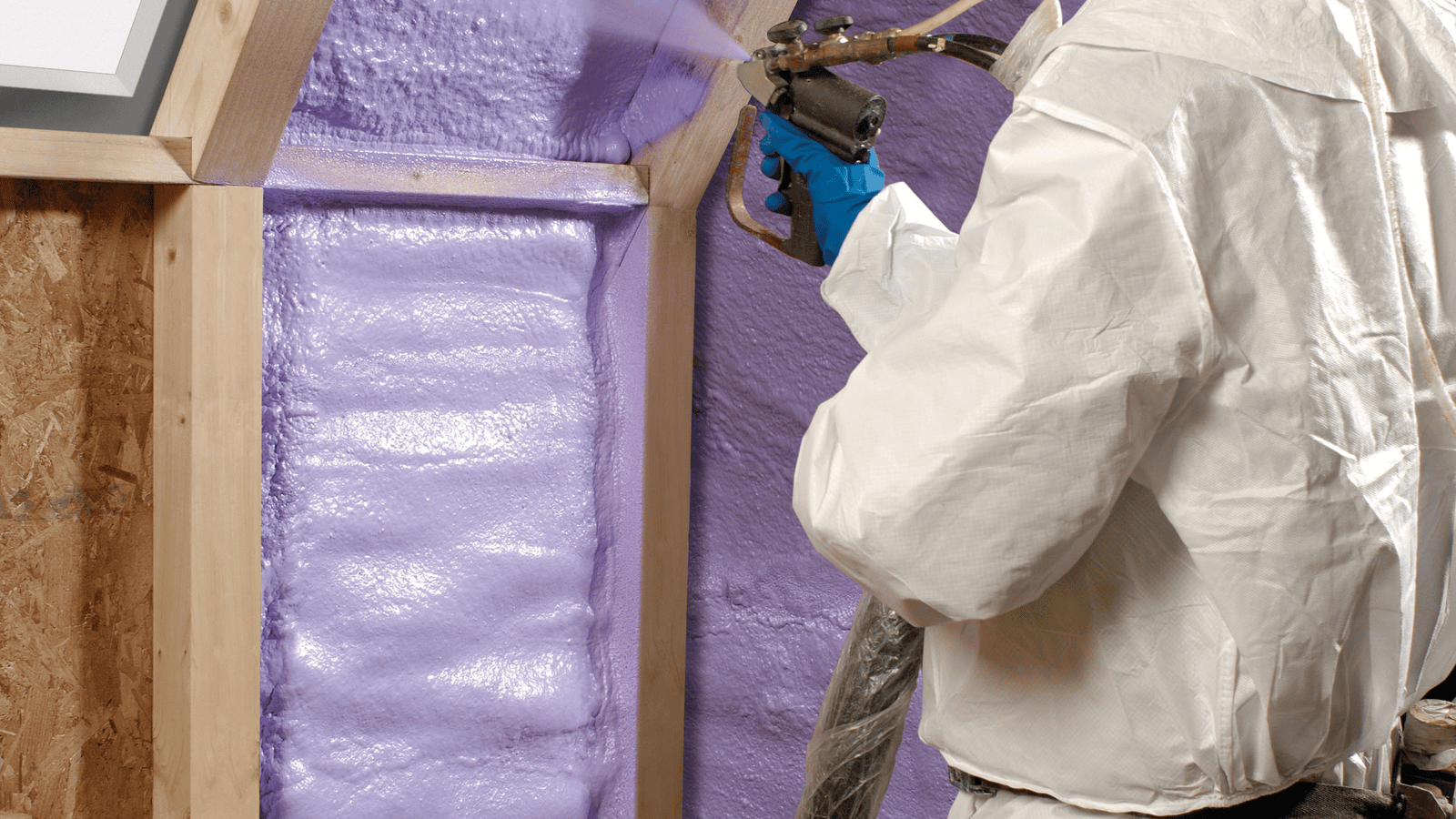
If you spray polyurethane foam, tell your agent before the quote rather than after the claim. Many general liability forms carry a pollution exclusion, and some carriers add a specific spray foam exclusion or a limit on completed operations. Off-gassing complaints, overspray on a neighbor’s finishes, and a homeowner who reports odors months after closing are the claims that test those exclusions. A carrier that writes foam knowingly can offer pollution coverage and a completed operations tail that matches the exposure. A carrier that discovers foam on an audit may simply decline to renew.
Tract Work Along Traverse Mountain and Thanksgiving Point
Builders around Traverse Mountain and Thanksgiving Point sell insulation packages from the same option sheet as the granite. Behind that sheet sits an attic that has to survive its first Wasatch winter and a wall cavity that has to hit the energy code. Then comes a spray day that has to miss every finished surface nearby. The superintendent will ask for your certificate before your crew lands on the schedule. Lehi City will still want its permit and inspection where the job triggers one. A state license does not replace either. Commercial cavities along Pioneer Crossing and in the Silicon Slopes office corridor bring the same pressure with larger limits attached.
Certificates Win the Builder Book
The general contractors and property managers building this corridor prequalify every sub. Bids die quietly when a certificate shows a lapsed policy, an old limit, or the wrong additional insured wording. Keeping your certificate current at or above the state floor, with each GC named correctly, costs nothing beyond the premium you already pay. It also keeps you on the call list. Tell your agent which book you actually bid, too. A residential attic class and a commercial spray class do not price the same. A mismatch shows up as overpayment or as a coverage gap on audit.
Get a Lehi Quote
Western Pacific Insurance serves insulation contractors across Utah County and the Wasatch Front. We shop multiple carriers and match your classification to your real work mix. Then we confirm your certificate satisfies both the state floor and the builders who hire you. Start with a Utah quote request or call (801) 955-3755. Our Utah insurance page shows everything we write in the state.


