
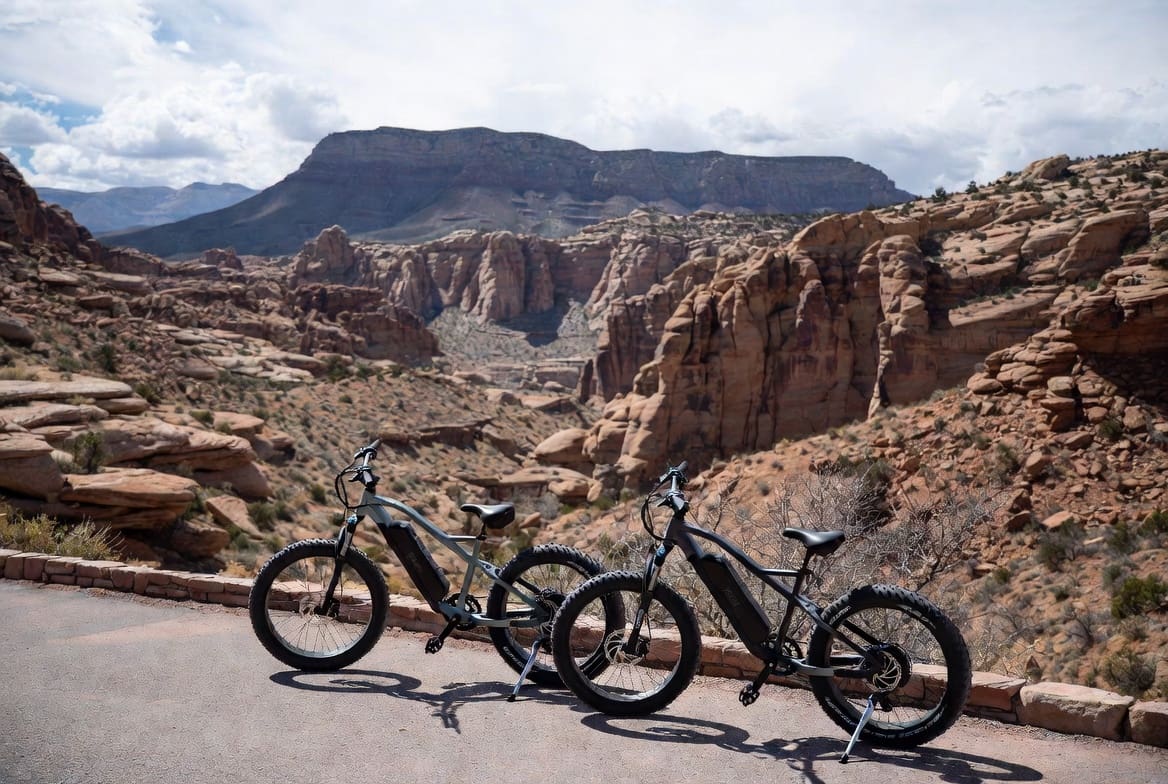
Utah E-Bike Insurance: What Trail-Loving Families Should Check
Utah e-bike insurance rarely comes up at the bike shop, because Utah treats a compliant e-bike like a bicycle. There is no license, no registration, and no insurance requirement. Utah families have embraced e-bikes harder than almost anyone, on canyon paths, neighborhood streets, and long summer evening rides. The legal side is settled. The insurance side has a gap most riders have never checked.
How Utah defines an e-bike
Utah’s statute spells out the standard three classes. Class 1 is pedal-assist to 20 mph, Class 2 is throttle-equipped to 20 mph, and Class 3 is pedal-assist to 28 mph, each limited to 750 watts with fully operable pedals. The law also requires manufacturers to label each bike with its class, top assisted speed, and wattage. You can read the definitions yourself in Utah Code 41-6a-1115.5.
That label is your starting point, not a verdict. A modified bike, with the limiter removed or a bigger motor swapped in, may no longer match its sticker, and the legal and insurance answers change with it.
Why the insurance answer is different from the legal one
A typical homeowners policy excludes motorized vehicles from liability coverage. The exceptions cover things like riding lawnmowers and wheelchairs, not e-bikes. Some carrier forms or endorsements make room for low-speed e-bikes, while the newest standard forms define anything self-propelled as a motor vehicle. Your auto policy never picks up the damage you cause while riding.
For Utah’s family riders, the liability scenario writes itself. A Class 3 commuter at 25 mph, a crowded canyon path on a Saturday, one pedestrian stepping sideways. Injuries like a broken hip can run six figures with surgery and recovery. Whether your policy answers that claim depends on language you have probably never read.
Kids and the overpowered-bike problem
Utah parents buy a lot of e-bikes, and some of the most popular machines exceed the class limits, with motors past 750 watts or no working pedals at all. Legally, that is not an e-bike. Depending on its build, Utah can treat it as a different class of motor vehicle entirely, with licensing and registration requirements a teenager has not met. Homeowners policies are not built to cover motorcycles, so the family’s exposure on an out-of-class machine can be total. Know what the machine legally is before anyone rides it.
Theft, documentation, and batteries
Quality e-bikes run $2,000 to $8,000 or more, and trailhead parking lots are a known target. Whether theft is covered depends on your policy’s motorized-vehicle language, and a covered loss still has to clear your deductible. Write down the serial number, keep the receipt, and photograph the bike and battery now. On charging, use the manufacturer’s equipment and never charge unattended overnight. Fire damage to your home is generally covered. The best claim is still the one you never file.
How Utah riders close the gap
Ask whether your homeowners policy covers your specific machine for liability and theft, or carry a standalone e-bike policy through a specialty market. Both paths cost little next to the exposure, and the answer takes one phone call. Request a Utah quote here, visit our Utah insurance page, or read the complete guide to e-bike and electric scooter insurance.


