
Classic Car Insurance in Utah: Agreed Value, Stated Value, and Protecting Your Collector Car
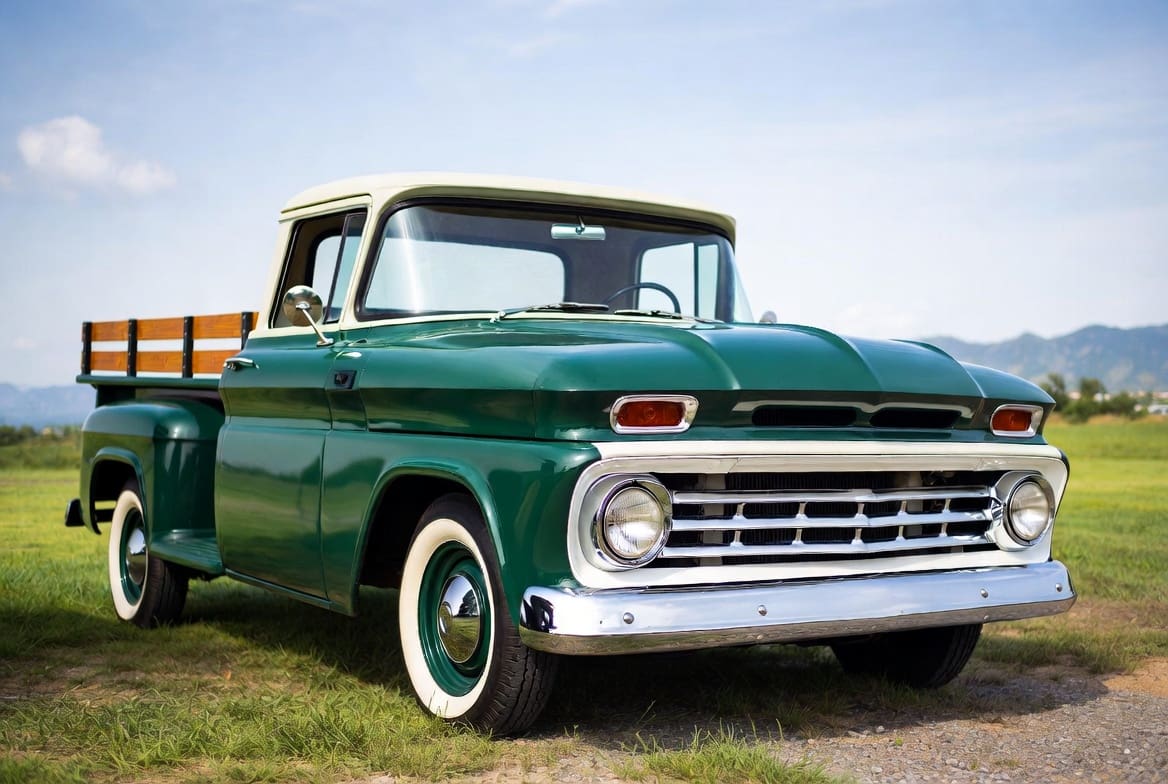
Utah classic car insurance covers vehicles that standard auto policies handle poorly. The state has an active collector car community. Car shows run through Salt Lake City, Provo, St. George, and communities along the Wasatch Front throughout the warmer months. If you have invested in a classic, a hot rod, or a restored vehicle, the way your policy values that car is the detail that determines whether you are covered or exposed.
Standard Policies and Collector Car Values
Standard auto insurance uses actual cash value to determine what a car is worth after a loss. The carrier applies depreciation and pulls comparable sales data. For a regular vehicle, that approach is reasonable. For a collector car that someone restored or maintains as a collectible, the standard valuation framework misses badly. It was built for vehicles that lose value, not vehicles that gain it.
Utah’s DMV issues vintage vehicle plates for cars at least 30 years old that are primarily collector items used for club activities, exhibitions, tours, and parades. That plate category exists because these vehicles are different from daily transportation. The insurance should reflect that difference too.
The Stated Value Misunderstanding
Stated value policies allow you to put a number on the car. The carrier calculates your premium from that number. Many car owners believe that stated amount is what they will receive if the car is totaled. On many policy forms, the carrier pays whichever is lower – the stated value or the actual cash value at the time of loss. The stated number functions as a maximum, not a promise.
For Utah owners who have put significant money into a restoration, discovering this at claim time is painful. The premium reflected the higher number. The payout reflects the lower one.
How Agreed Value Works
Agreed value eliminates this gap. Before the carrier issues the policy, you and the carrier agree on the car’s value based on documentation. Appraisals, photographs, parts receipts, and restoration records all support the number. If a covered total loss happens, the carrier pays the agreed value minus the deductible. The carrier does not apply depreciation. There is no fallback to a different number.
This is the approach most specialty carriers use. Hagerty, Grundy, and American Modern build their collector-car programs around agreed value. It is not a premium add-on. These carriers use agreed value as their standard approach for collector vehicles.
Utah-Specific Factors
Utah’s vintage vehicle plates are for cars at least 30 years old used primarily as collector items, not for daily transportation. The state also issues special interest vehicle plates for cars at least 20 years old that meet additional criteria. Both plate types carry usage expectations that align with how specialty carriers underwrite collector vehicles.
Winter storage is a consideration along the Wasatch Front. Road salt and moisture during the colder months can damage classic vehicles. Many Utah collectors store their cars from November through March. Specialty carriers typically require enclosed garage storage, and that winter storage period makes meeting that requirement practical for Utah owners.
Specialty classic car insurance is often more affordable than standard auto coverage on the same vehicle. The limited usage, careful storage, and attentive ownership that characterize the collector car lifestyle translate into a lower risk profile. Carriers price accordingly.
Check Your Coverage
Look at your declarations page. Find how the car is valued. Actual cash value means the carrier will apply depreciation after a loss. Stated value may not deliver the payout you expect. Agreed value is the right method for collector vehicles.
Ask your agent about spare parts coverage for components stored in your garage. Check whether the policy includes flatbed towing. Find out about coverage during restoration. An independent agent can compare specialty carriers and find coverage that matches your car, your budget, and your usage.
Ready to review your classic car coverage in Utah? Get a quote or learn more about our Utah coverage.
A lifted truck or a tuned commuter on the Wasatch Front is a daily-use vehicle, not a collector item, and our modified car insurance guide explains how those policies work.


