
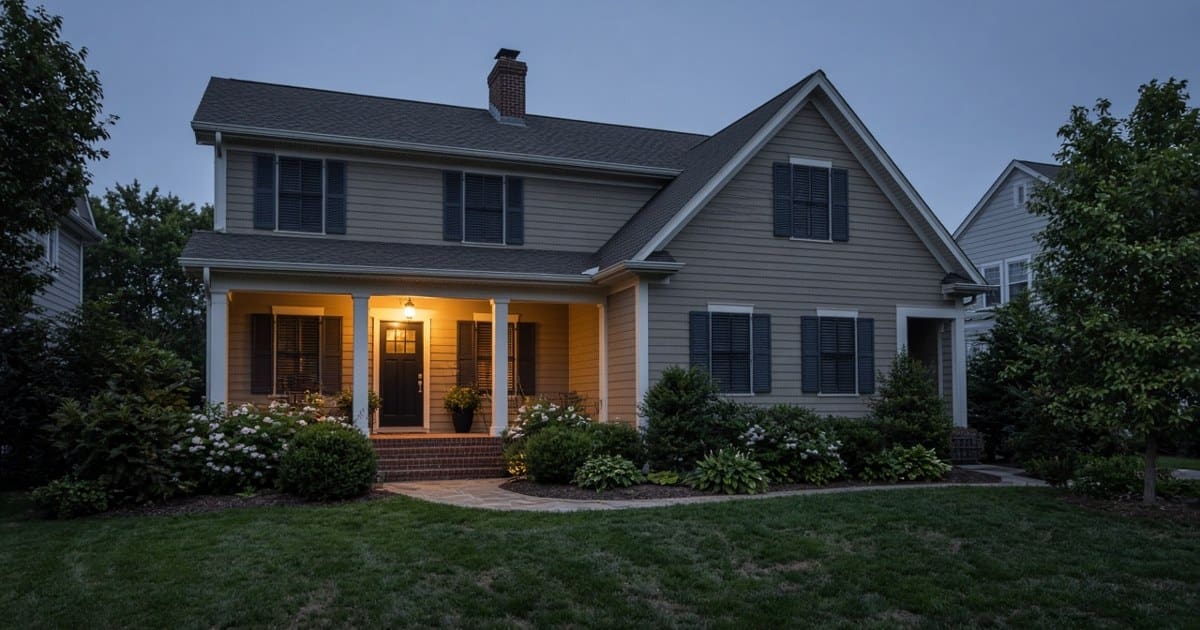
A second home is supposed to be the easy part of life: the cabin you drive to on Friday, the winter condo in the desert, the beach place the kids fight over. The insurance is where it gets less easy. A house that sits empty for weeks at a time carries different risks than the one you live in, and carriers price and word the policy around that difference. Many owners find out how it was written only after a pipe bursts while nobody is there.
This guide walks through what actually changes on a second home policy, in plain language. When you are ready to compare, our secondary home insurance page is the place to start. Western Pacific Insurance is an independent agency serving owners in Nevada, Arizona, California, and Utah, and we have local versions of this guide for Henderson, Phoenix, San Diego, and Lehi.
Tell the carrier how you really use the home
The first question on any application is whether the home is your primary residence, a secondary or seasonal home, or a rental. Answer it honestly. A policy written as your main home when you actually live there two months a year can lead to a denied claim or a cancelled policy, and the same goes for a home you quietly rent to strangers. Expect the carrier to ask how many months you spend there, whether anyone lives there when you are gone, and whether it is ever rented.
Some carriers will only write a second home if they also insure your main home, your cars, or both. That can actually work in your favor, because a bundle often brings a multi-policy discount and puts both homes under one liability picture. Other owners keep the second home with a specialty carrier because of its location, such as a wildfire area or a remote mountain road. We can compare both routes.
It also helps to be specific about who else uses the home. Extended family staying for a season, a caretaker who lives on the property, or a friend who borrows the place for a month can each change how a carrier sees the risk. Telling us up front lets us place the home with a carrier that fits the real use, instead of discovering a mismatch at claim time.
Time away is not the same as vacant
Insurance language draws a line between a home that is unoccupied, meaning your furniture is there but you are not, and a home that is vacant, meaning it is empty of people and belongings. A furnished second home you visit regularly is usually unoccupied, which most second home policies expect. A home you are emptying out to sell, or one sitting between owners, may be considered vacant, and many policies limit coverage for vandalism, glass breakage, and water damage once a home has been vacant for a set number of days. If that is your situation, read our page on vacant home insurance.
Even for an unoccupied home, read the conditions. Some policies require you to keep the heat on, shut off the water, or have someone check the home on a schedule. Missing one of those conditions can shrink or remove coverage for the very loss you were worried about. If you close the home for a season, ask the carrier in writing what it expects you to do before you leave, and keep a simple record of who checked the property and when.
Water is the big one
A slow leak at a home you live in gets noticed in a day. At a second home it can run for three weeks. Sudden water damage from a burst pipe or failed supply line is usually covered, but long term seepage, mold that grows over time, and water that backs up through a drain are often limited or excluded. Our guide to what water damage a homeowners policy covers goes through the details, and water backup coverage is an add-on worth asking about.
The best fix is a device. Leak sensors under sinks and water heaters, a smart thermostat that alerts you if the temperature drops, and an automatic shutoff valve on the main line can stop a small leak from becoming a gutted kitchen. Many carriers offer a discount for these devices, and for higher value homes some carriers expect them. Ask us which devices count before you buy one.
Old habits help too. Replace rubber washing machine hoses with braided lines, know where the main shutoff is, and have a neighbor or property manager who can reach it quickly if an alert comes in while you are away.
Renting it out changes the policy
Lending the place to family for a weekend is usually fine. Renting it on a booking site, even a few weeks a year, is a business activity, and a standard second home policy may not cover damage or injuries tied to paying guests. Our article on the short-term rental insurance trap explains why. If the home is rented most of the year, a landlord policy may fit better; see our guide to landlord insurance coverage options. Your city may also require its own permit or license before you list.
Booking platforms often advertise their own host protection, but that is not the same as a policy you control, and it may not respond the way a homeowners claim would. Before your first guest arrives, tell us how many nights you plan to rent and whether you will be present, so the coverage can be matched to the plan.
Whose name is on the deed
Many families hold a vacation home in a trust or an LLC, often for estate planning. The policy has to match the deed. With some carriers, a trust or trustee can be added to the policy, while a home owned by an LLC may need a different type of policy altogether. Read homeowners insurance when your home is in a trust and our explainer on LLCs, trusts, and the named insured before you retitle anything.
The reason this matters is simple. If the person or entity that owns the home is not the one named on the policy, a claim can be delayed or disputed. Check the title again after any refinance, inheritance, or transfer to a family member, and send us the updated paperwork so the policy keeps pace.
Higher values and older homes
If the second home is a custom build, a historic cabin, or a waterfront property, check that the dwelling limit reflects what it would cost to rebuild, not what you paid. Rebuilding in a mountain town or on the coast often costs more than in the city, because labor and materials have to travel. Our high-value home insurance guide covers extended replacement cost and how carriers that focus on larger homes handle claims. In wildfire areas, especially in California, the right answer is sometimes a FAIR Plan paired with a wrap-around policy.
Older homes bring their own questions. Knob and tube wiring, galvanized plumbing, and aging roofs can limit which carriers will write the home or how they settle a loss, and ordinance or law coverage matters when current building codes would apply to a rebuild. Updates to the roof, wiring, plumbing, or heating system are worth documenting, because they can help with both eligibility and pricing.
Liability travels with you
Guests slip on icy steps and kids jump off docks. Each home needs its own liability coverage, and owning two homes is a good reason to look at an umbrella policy. Most umbrella carriers want every home listed, and they set minimum liability limits on each one. Our post on umbrella insurance cost and coverage explains how it layers on top. If the second home has a boat, golf cart, or ATV, list those too.
Features like a pool, a dock, a trampoline, or a dog can raise liability exposure, and some carriers have rules about them. Tell us what is on the property so the underlying limits are set correctly and the umbrella has a solid base to sit on. Boats and other recreational vehicles are often insured under separate policies, so confirm each one is covered rather than assuming the home policy reaches them.
Condos and HOAs
If your getaway is a condo, the association’s master policy covers some of the building and you cover the rest, plus your belongings and liability. The split is different in every building. Our guide to what the HOA does not cover shows what to look for, and loss assessment coverage is worth asking about.
Start by requesting the association’s governing documents and a copy of the master policy, then compare them with what a condo policy for your unit would need to pick up. Some associations insure the walls and structure only, while others also cover fixtures and finishes, and the difference can be significant after a loss. Also ask how the association’s deductible would be shared among owners, since a large master policy claim can be passed along as an assessment.
A quick checklist
- Is the home listed as a secondary or seasonal home, with the right months of use?
- What conditions apply when nobody is there: heat, water shutoff, or regular checks?
- Do you have leak sensors or an automatic shutoff, and is the discount applied?
- Is it ever rented, and does the policy say so?
- Does the named insured match the deed?
- Does the dwelling limit match today’s rebuild cost?
- Is the home listed on your umbrella policy?
We do not promise eligibility, rates, or availability, because those depend on the carrier, your home, and where it sits. Coverage terms, discounts, and requirements vary by carrier. Want help sorting out the right fit for your second home? Gather your current declarations pages and how many months a year you use the home, then call 702-932-3105 or request a quote online.


