
Locksmith Insurance in Henderson, NV: Coverage for Mobile Service Calls
The first call of the day might be a tenant locked out near Green Valley. The second might be a rekey for a property manager in Anthem. By afternoon the van is carrying a key machine, cylinders, programmers, and a growing list of service tickets through Henderson heat. Locksmith insurance has to follow that mobile route, since the risk at each stop looks a little different. For the full coverage framework behind everything below, see our locksmith insurance guide.
What Henderson Locksmith Insurance Should Cover
General liability is the foundation for customer-premises work. It’s the policy to discuss when an opening damages a door, frame, trim, vehicle, or other third-party property, or when a customer gets hurt around the work area. The facts and the policy language control here, and damage to the item actually being worked on, defective work, and property in the locksmith’s care can each raise a different coverage question.
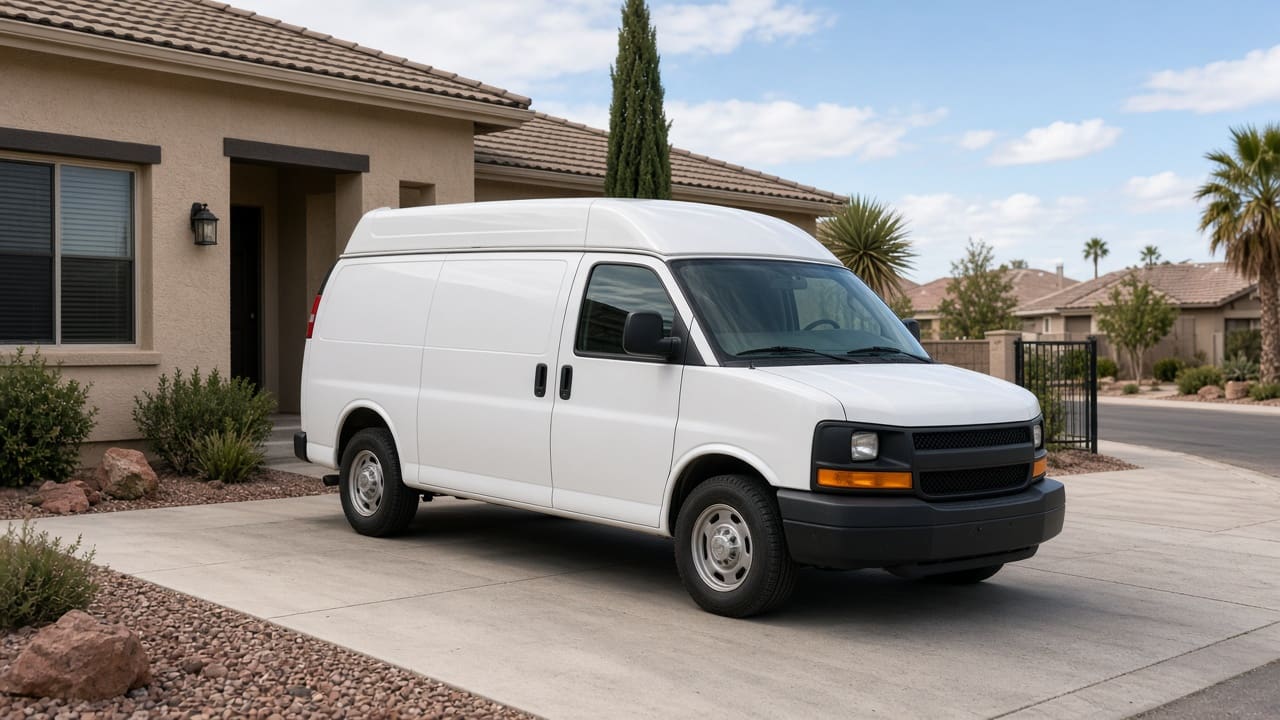
Commercial auto belongs on the program whenever a van answers calls, transports blanks, or carries tools between apartment communities and commercial sites. A personal auto policy usually doesn’t fit that kind of regular business use. Hired and non-owned auto is worth discussing if technicians rent vehicles or use their own cars for dispatches, but it supplements the program rather than replacing coverage for the owned vans.
Inland marine can follow key machines, programmers, code equipment, drills, specialty tools, blanks, and cylinders away from the shop. Ask whether theft from an unattended vehicle is covered, what security conditions apply, and whether an expensive programmer should be scheduled on its own. A property limit at the shop often isn’t enough for equipment that spends its whole day riding around in a van.
Henderson Claims Often Begin With an Ordinary Call
An older frame gives way when a technician opens a stuck lock. A customer says a drill scratched a door. A van backs into a vehicle in a crowded apartment lot. A technician cuts a finger on a blank or strains a shoulder moving hardware. Depending on what actually happened, any of these can land under GL, commercial auto, inland marine, or workers compensation.
A different kind of claim might involve a master-key schedule or a credential mistake instead. If a property manager alleges a pure financial loss from an access error, ask whether E&O or professional liability is available for that service, and if an employee is accused of misusing a key or taking property after a call, crime or employee fidelity coverage may be worth evaluating. Neither policy is automatic coverage for every allegation, and both come down to careful attention to definitions and conditions.
Use a work order on every call. Record who authorized entry, the property or vehicle involved, the condition before work, the parts used, the technician, and the customer’s sign-off, and for commercial accounts, keep the dispatch ticket and authorization email on file. Those records are what help separate accidental damage from a workmanship dispute, an access allegation, or an intentional act later on.
Nevada Licensing Questions to Confirm
The Nevada State Contractors Board regulates construction and related repair work, but the material reviewed doesn’t show a standalone locksmith classification. A business providing lock opening, rekeying, key origination, or ordinary hardware service should confirm its exact scope with the Board rather than assume the answer, since installation that becomes part of a construction project, alteration of a structure, or work in another regulated trade can change that analysis.
Henderson and Clark County may also require local business licensing or other approvals, so check the service address, the business entity, and the kind of work being performed. Nevada generally requires workers compensation for covered employers, subject to statutory exceptions. Confirm the current rule before adding technicians, and make sure payroll classifications match the work actually performed.
Heat, Apartments, and Mobile Equipment
Henderson’s summer temperatures change how a service call gets performed. A van may sit in direct sun while a technician works inside a building, and batteries, electronic programmers, adhesives, and replacement hardware all need sensible storage in that heat. Tools left visible in a vehicle create a theft concern even when the van is locked, so inland marine coverage should be matched to how the equipment is actually transported and stored, not to a generic assumption about what stays in the shop.
Apartment and HOA work can generate a high volume of keys and access records fast. A property manager might authorize a rekey across several units, then ask for a master key at the end of the day. Use a written authorization, mark each key or credential, and document delivery, and keep restricted information off an open dashboard or an unsecured shop counter. These controls make a real difference when a tenant, owner, or manager asks later who received access.
Certificates, Contracts, and the Actual Job
Apartment operators, retail centers, facilities managers, HOAs, and larger property portfolios may request a certificate before dispatching a locksmith, often with a particular GL limit, additional insured wording, primary and noncontributory status, or a waiver of subrogation attached. Send the contract to your agent first and ask what it actually requires, since the requested limit may apply per occurrence, in the aggregate, or only to a particular project, and the additional insured language may need its own specific endorsement. A certificate is evidence of insurance; it can’t create coverage the policy doesn’t contain.
Sending the request to your agent early gives the carrier time to review the contract properly, which keeps a certificate from becoming a last-minute promise nobody can actually back. If a subcontracted technician is involved, check their certificate for active dates, limits, and the operations actually covered. Your main policy can’t assume a subcontractor has transferred every exposure just because they handed over a certificate.
Documentation Helps After a Disputed Opening
Before drilling or applying force, record the customer’s authorization and the condition of the door, frame, vehicle, or hardware. Note the method used and why a less invasive method wasn’t available, and if the customer declines a recommended replacement or accepts temporary security instead, put that choice in the work order. A short, factual record protects the customer relationship and gives the carrier useful information if a claim follows.
Ask About the Actual Henderson Service Mix
A quote changes as the business moves from residential lockouts to commercial rekeys, automotive keys, safes, gates, electronic access, or construction-related hardware. Give your agent the percentage of revenue from each category, the number of employees, the number and type of vehicles, and the value of equipment carried in each van. If a property manager requires a particular limit or endorsement, get them the contract before the certificate has to be issued.
Owners should also review whether they’re included in or excluded from workers compensation, how payroll gets assigned across the team, and whether any subcontracted technician carries matching insurance. Review the whole program after a busy season, since a second van, a new employee, more commercial rekeys, and higher-value programmers can all change the quote. Schedule a short annual review before the renewal application arrives, and bring the current vehicle list, driver list, tool inventory, payroll, revenue split, loss history, and any new property-manager agreements. That gives the carrier a current picture of a Henderson business rather than last year’s smaller route.
Western Pacific Insurance is headquartered in Henderson and places coverage for locksmith businesses across Nevada, Arizona, California, and Utah. Call 702-932-3105 or request an insurance quote for a program matched to your Henderson route and actual service work.


