
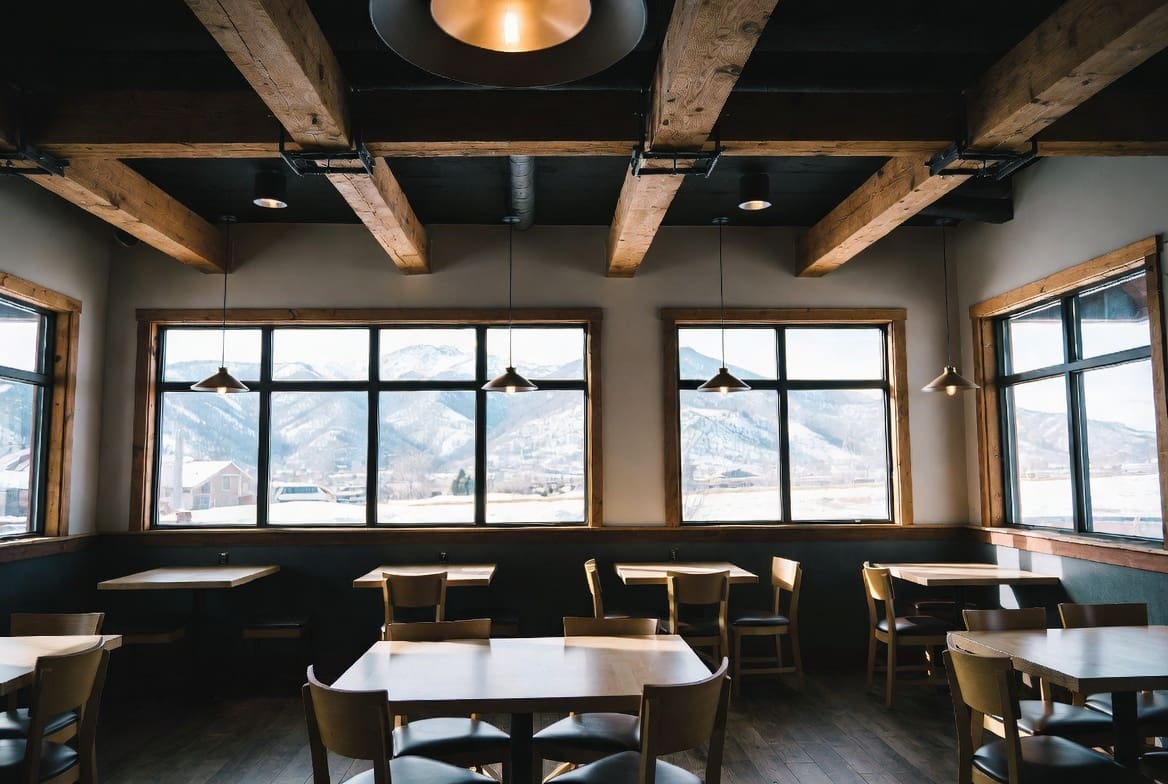
Utah restaurant insurance operates in a market that looks different from almost anywhere else in the country. Utah’s alcohol regulatory framework is administered by the Department of Alcoholic Beverage Services. That framework shapes how restaurants serve liquor, wine, and beer. It also directly affects how liquor liability coverage needs to be structured. The Salt Lake City, Provo, and Park City markets have grown substantially. Construction costs have moved. The coverage stack on many existing restaurant policies has not kept up. If you run a restaurant in Utah, the policy details matter.
What Makes Utah Restaurants Different
Utah’s regulatory structure around alcohol is stricter than most states. Licensing types, food-to-alcohol ratios, and server training requirements all affect how a restaurant operates day to day. That structure also affects the insurance conversation, especially around liquor liability.
Beyond the alcohol environment, Utah restaurants face exposures common to any food service operation. Kitchen injury risk, property risk, equipment breakdown, general liability, and workers’ compensation all sit inside the same four walls. The difference is that the regulatory detail matters more in Utah than it does in most states. Getting the policy right takes a careful read of how your restaurant actually operates.
Property, Equipment Breakdown, and Spoilage
Property coverage on a Utah restaurant policy needs to reflect current replacement cost for your build-out, your equipment, and your contents. Construction costs in the Wasatch Front corridor have moved, especially in Salt Lake City, Park City, and the growing Utah County market. A policy written at 2019 numbers probably no longer reflects a full rebuild.
Equipment breakdown is where a lot of Utah restaurant policies go thin. Standard property coverage generally responds to causes of loss like fire or theft. Internal mechanical and electrical failure is a different story. A walk-in compressor that quits in the middle of summer or a rooftop HVAC unit that fails during a cold snap is what equipment breakdown coverage addresses. For a Utah restaurant, we treat it as essential.
Food spoilage sublimits are the third piece. Power outages, equipment failures, and utility disruptions can take out walk-in inventory quickly. Make sure the spoilage number on your policy reflects the inventory you actually carry.
General Liability and Product Liability
General liability covers the everyday exposures. A customer slips, a server has an incident with a guest, a piece of furniture fails. For a busy restaurant in Salt Lake, Provo, or Park City, the volume of customer interaction creates meaningful frequency of potential claims.
Product liability sits inside general liability and responds to foodborne illness claims when there is a credible link between your food and the illness. Those claims are not common on a per-restaurant basis, but when they happen they can involve multiple people and significant medical and legal costs.
A one-million-per-occurrence, two-million-aggregate general liability limit is a common starting point for Utah restaurants. Whether that is enough depends on your traffic, your lease, and the specifics of your operation. Higher primary limits are available from some carriers, and a commercial umbrella is an alternative path to higher overall coverage.
Liquor Liability in Utah
Utah’s regulatory framework for alcohol service is one of the strictest in the country. The Utah Department of Alcoholic Beverage Services retail license program issues several license types. These include full-service restaurant, limited-service restaurant, beer-only restaurant, and bar licenses. Each comes with specific requirements around food sales, server training, and operational conduct. Utah also has a dram shop framework. That framework allows claims against a licensee who serves alcohol to a person who then causes harm.
If your Utah restaurant holds any on-premise alcohol license, liquor liability coverage is essential. General liability does not cover alcohol-related claims. A dedicated liquor liability policy or endorsement is what responds when a dram shop claim is made.
Workers’ Compensation for Utah Restaurants
Utah requires workers’ compensation for most employers with one or more employees. Restaurant kitchens are one of the higher-injury workplaces, and Utah is no exception. Burns, cuts, slips, and lifting injuries are all common. Premium depends on your payroll, your class codes, and your experience over time.
Get a Quote for Your Utah Restaurant
If you own a restaurant in Utah, or you are opening one, we would be glad to walk through your policy and show you where the stack usually needs attention. Get a quote here, or learn more about our Utah coverage.


