
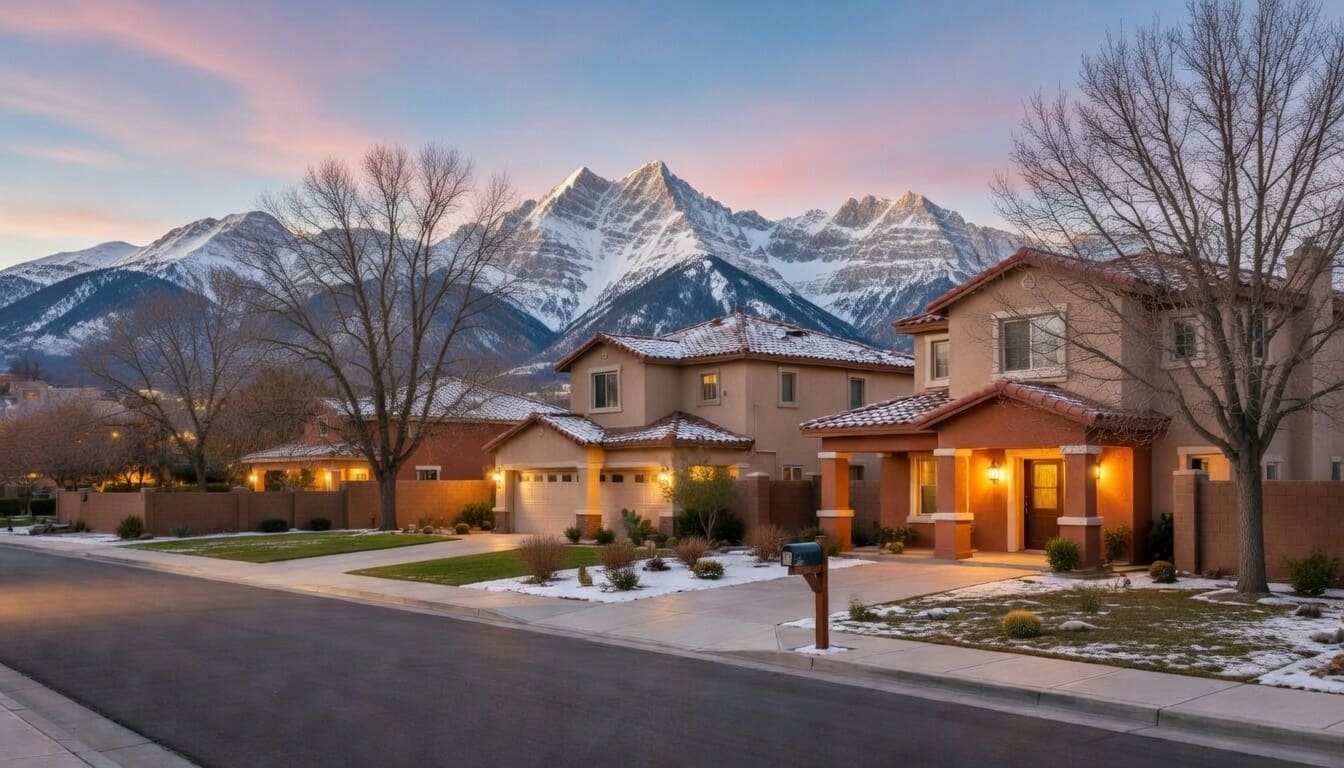
Relocating to Utah Means Rethinking Your Insurance Coverage
Utah insurance for new residents is something you should start thinking about before you arrive – not after. Utah has its own coverage requirements, its own carrier landscape, and its own set of risks that affect how home and auto policies are priced. Whether you are headed to Salt Lake City, Provo, St. George, Park City, or anywhere else in the state, your old insurance from another state is not going to work here long-term.
Utah Auto Insurance Requires PIP Coverage
Utah is a no-fault state for auto insurance, which makes it different from many states you might be coming from. The state of Utah requires drivers to carry minimum liability coverage of 25/65/15 – that is $25,000 per person for bodily injury, $65,000 per accident, and $15,000 for property damage. But Utah also requires Personal Injury Protection, commonly called PIP, which covers your own medical expenses and lost wages regardless of who caused the accident.
If you are moving from an at-fault state, PIP may be entirely new to you. It is mandatory in Utah, and your policy needs to include it. Your old out-of-state policy almost certainly does not have Utah-compliant PIP coverage on it.
New residents have 60 days to transfer their vehicle title and registration in Utah, but you should not wait that long to get your insurance sorted out. Your auto policy needs to be written by a carrier licensed in Utah, and driving without proper Utah coverage puts you at risk for fines and liability exposure.
Utah also has its share of uninsured drivers on the road. Uninsured and underinsured motorist coverage is worth a serious conversation with your agent when you set up your new policy. The Utah Insurance Department offers consumer resources that can help you understand your options.
Home Insurance in Utah Covers a Wide Range of Risks
Utah’s geography creates a diverse risk landscape for homeowners insurance. Along the Wasatch Front, winter storms, heavy snowfall, and freeze-thaw cycles affect roofing and plumbing. In southern Utah around St. George, the risks shift toward extreme heat and flash flooding. Wildfire exposure is a concern in foothill and canyon communities throughout the state.
Earthquake risk is another Utah-specific consideration that new residents may not expect. The Wasatch Fault runs through the most populated part of the state, and standard homeowners policies do not cover earthquake damage. If you want earthquake protection in Utah, you will need a separate endorsement or policy.
Replacement costs vary across the state as well. Building a home in Park City costs significantly more than in a smaller community, and your dwelling coverage needs to reflect what it would actually cost to rebuild at your specific location. Do not carry over the coverage amount from your old state without checking whether it is still appropriate.
If you are buying a home, your lender will require proof of Utah homeowners insurance before closing. If you are renting, your new landlord may require proof of renters insurance specific to the property.
Timing Your Insurance Transition the Right Way
The worst thing you can do is wait until you are fully settled to deal with your insurance. Your old auto policy was priced for a different state and a different address. Your old homeowners or renters policy was written for a property you no longer occupy. If you need to file a claim during that in-between period, you may face complications that could have been avoided entirely.
On the flip side, do not cancel your old policy before your new Utah coverage is active. A gap in coverage – even a few days – goes on your insurance history. Carriers consider continuous coverage when they underwrite you, and a lapse can result in higher premiums that stick with you for years.
Start shopping for Utah insurance before your move. Have your new policies lined up so they activate the same day your old ones end. That clean handoff protects you and keeps your coverage history intact.
Life Insurance Does Not Change When You Move to Utah
Your life insurance follows you to Utah without any modifications. Coverage amounts, premiums, and death benefits remain the same. Death benefits are generally income-tax free to beneficiaries, and Utah does not impose a state estate or inheritance tax. Unless you have a very large estate with complex planning needs, there is nothing to do with your life insurance after a move.
Set Up Your Utah Coverage With a Local Agent
Utah’s insurance landscape has nuances that matter – PIP requirements, earthquake exposure, wildfire risk in certain areas, and a carrier market that differs from neighboring states. An independent agent who works in Utah can walk you through all of it, shop multiple carriers, and make sure your home, auto, umbrella, and life insurance are properly coordinated.
If you are moving to Utah or have recently arrived, Western Pacific Insurance can help you get everything in place. Get a quote here or learn more about our Utah coverage.


