
What Utah Mortgage Lenders Need to Know About Homeowners Insurance
Utah’s housing market along the Wasatch Front is one of the most active in the Mountain West. Salt Lake City, Provo, Ogden, Lehi, and the surrounding communities are producing steady loan volume. But Utah has insurance quirks that trip up closings — especially on mountain properties, older homes, and winter transactions. If you’re closing loans here, understanding Utah mortgage lender homeowners insurance issues will keep your pipeline on track. We cover it in our companion video.
Mountain Home Replacement Cost Confusion
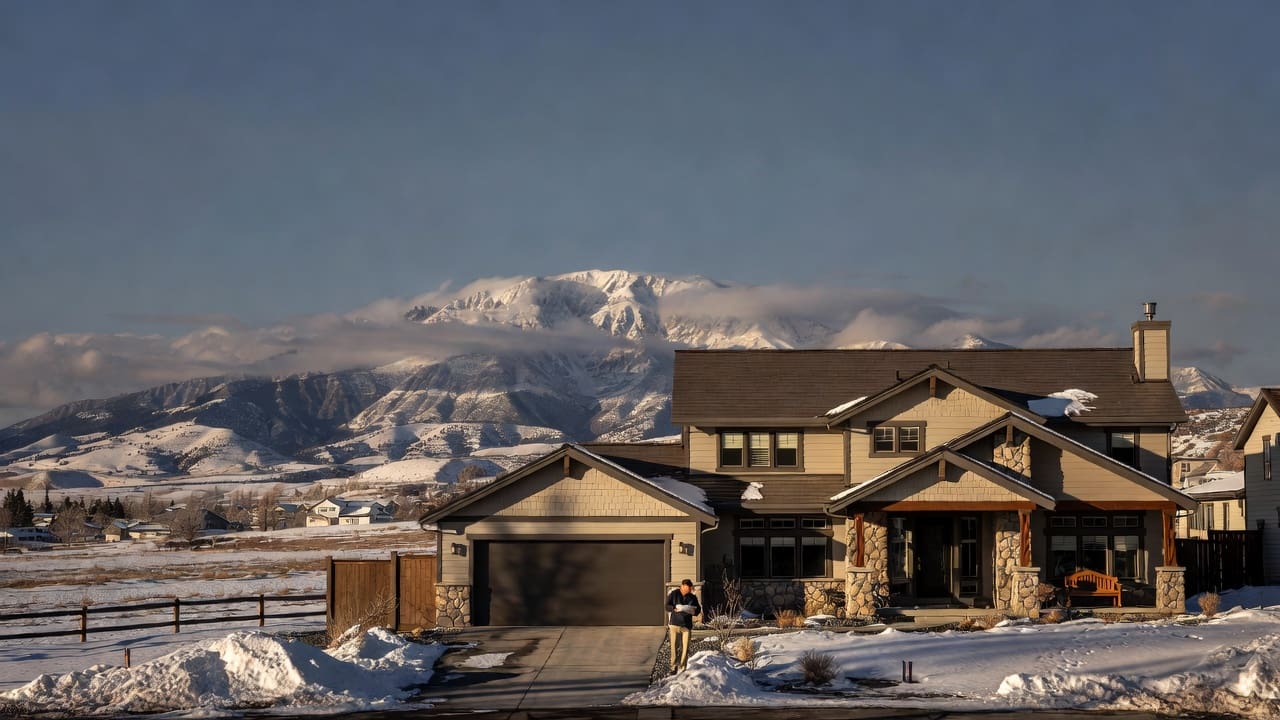
Utah has a unique replacement cost problem. Homes in Park City, Deer Valley, Heber, and other mountain communities sell at premiums driven by location, views, and ski access. A home that sells for $1.2 million may only cost $500,000 to rebuild. The land and location premium is enormous.
When a loan officer sees dwelling coverage at $500,000 on a $1.2 million purchase, the instinct is to flag it. But the coverage may be correct. Insurance replacement cost is about rebuilding the structure, not the sale price. The lender’s requirement is tied to replacement cost, not market value. Understanding this prevents unnecessary back-and-forth that delays closings.
Winter Transactions and Property Condition
Utah’s winters create property condition issues that affect insurance. Frozen pipes, ice dams, and snow load damage are common during the colder months. If a borrower is buying a home in December or January, the insurance carrier may want to verify the property’s condition — especially if the home has been vacant or winterized.
Some carriers are cautious about binding coverage on properties that have been vacant through a Utah winter. If the home has been sitting empty, make sure the insurance agent knows that upfront. It can affect the carrier’s willingness to bind and the timeline to get the policy in place.
Wildfire Risk Along the Wasatch Front
Wildfire risk in Utah has been climbing. Properties along the wildland-urban interface — from Draper and Sandy south to the foothills above Provo — face increasing insurance scrutiny. Some carriers have tightened underwriting or raised rates in fire-adjacent ZIP codes.
If your borrower is buying in a wildfire-prone area, the insurance quote may come in higher than expected. It may also take longer to place. Give the insurance agent lead time to shop multiple carriers. Don’t assume the borrower’s first quote will be the one that binds.
Older Homes Along the Wasatch Front
Utah’s older housing stock — particularly in Salt Lake City’s Sugar House, Avenues, and Liberty Park neighborhoods and in downtown Ogden and Provo — can present insurance challenges. Homes with older electrical systems, aging plumbing, or original roofs may face carrier restrictions or higher premiums.
If your borrower is buying a home built before 1970, flag the insurance early. The agent may need to work with specialty carriers or obtain inspection reports before binding.
The Split Premium Problem
Utah’s competitive lending market creates pressure to close fast and clean. If someone suggests splitting a homeowners premium to reduce the closing amount, that’s a compliance issue. A clean transaction uses the full annual premium in escrow. Anything else creates shortages and regulatory risk.
What Utah Loan Officers Should Expect
If the borrower’s current agent isn’t meeting lender requirements or isn’t responsive, you can request a competing quote with the borrower’s consent. Expect a fully underwritten quote, a clean evidence of insurance, and fast turnaround when time is tight.
Work With Us
If you’re a mortgage professional closing deals in Utah, just send over your client and property info to service@wpinsure.com. If you’d like us to reach out to your client directly, just let us know. In most cases, we’ll turn around a fully underwritten, bindable quote in half a business day.
Learn more about our Utah insurance services, or check out our Google reviews to see what our clients say.


