
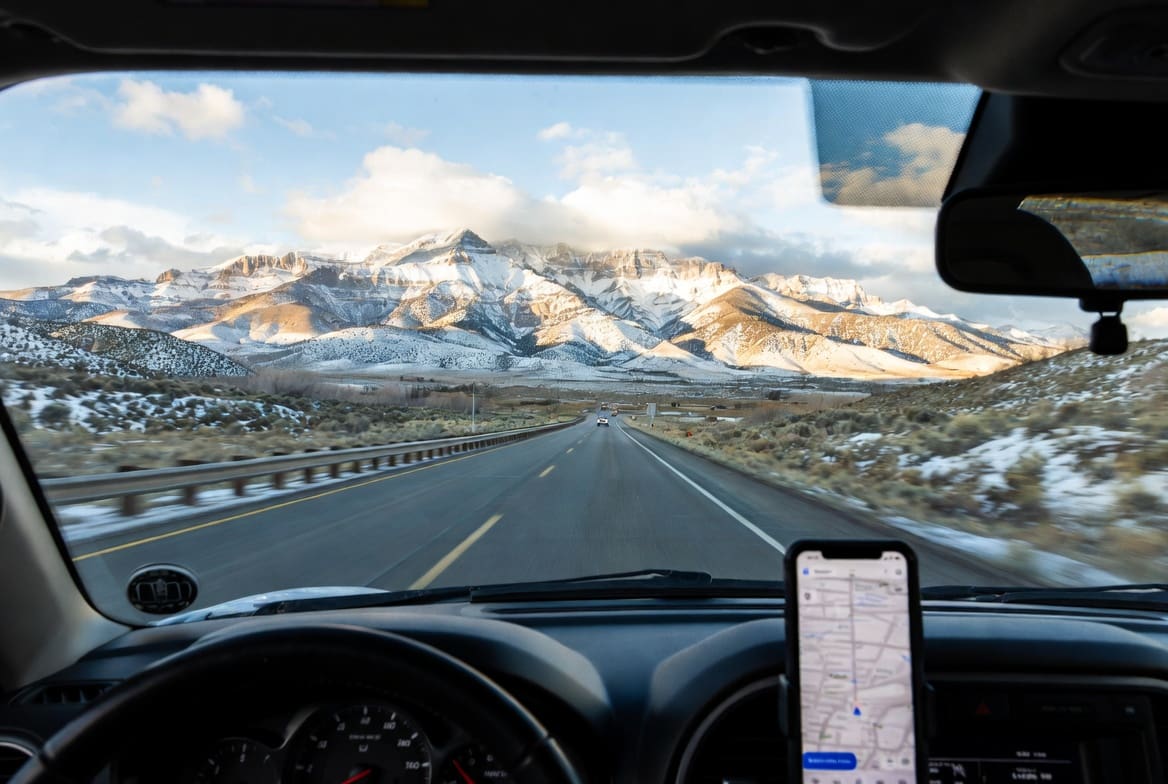
Insurance Telematics in Utah – Is It Worth Enrolling?
Utah drivers have access to insurance telematics programs that can lower auto insurance premiums based on real driving data. These programs track behaviors like braking, acceleration, mileage, and time of day, then use that information to adjust your rate. The NAIC’s consumer guide to usage-based insurance is a good starting point if you want to understand how these programs work at a national level. For safe, consistent drivers, the savings can be meaningful.
But telematics isn’t a guaranteed win for everyone. Your driving habits, vehicle type, commute, and comfort level with data sharing all factor into whether enrollment makes sense.
How Utah’s Roads and Seasons Affect Telematics Scores
Utah’s driving conditions bring some unique considerations for telematics. Winter driving along the Wasatch Front – particularly I-15 through Salt Lake City, Provo, and Ogden – often means snow, ice, and reduced traction. Hard braking events during winter months may spike even for careful drivers simply because road conditions demand it. Most telematics programs don’t distinguish between an aggressive stop and one caused by an icy intersection.
Summer driving in Utah tends to produce cleaner data. Long stretches of I-15 between St. George and Cedar City or highway driving through Utah County generate steady, low-event trips that score well. Suburban drivers in communities like Lehi, Draper, or South Jordan who run short, predictable errands often see strong results year-round.
Canyon driving is another factor. Routes through Parley’s Canyon, Big Cottonwood, or Provo Canyon involve grades and curves that naturally require more braking. If canyon commuting is part of your daily routine, that could show up in your data.
Discount-Only vs. Programs That Can Penalize You
Before enrolling in any telematics program, ask one critical question: can this program raise my rate, or can it only help me? Discount-only programs mean the worst outcome is a small savings or none at all. Your premium stays where it is. Safeco’s RightTrack works this way – safe drivers can earn up to around 30 percent off after a roughly 90-day evaluation period.
Programs like Progressive’s Snapshot take a different approach. While most drivers who enroll save money, some do see a premium increase at renewal based on their driving data. Knowing which type of program your carrier offers in Utah is essential before you commit.
Which Utah Drivers Save the Most?
Utah has one of the highest rates of multi-vehicle households in the country. Families with several cars on one policy can see significant savings when all drivers participate in a telematics program and drive conservatively. Programs that apply one discount across the whole policy reward this kind of household structure.
Remote workers and stay-at-home parents who aren’t racking up commute miles are natural fits. Retirees in St. George, Logan, or the Heber Valley who drive less frequently tend to produce excellent telematics data. Younger drivers at BYU, Utah State, or the University of Utah who are paying higher premiums based on age-group statistics can use telematics to demonstrate that their personal habits are better than the average.
When to Pass on Telematics in Utah
If your daily commute involves canyon roads, frequent winter driving in tricky conditions, or heavy I-15 traffic through the Point of the Mountain corridor, your data may not reflect how safe you actually are. Performance vehicle owners who enjoy Utah’s open roads and mountain passes may also find that their driving style doesn’t translate well to a telematics score.
Privacy is always a factor. These programs collect GPS-tagged driving events, trip information, and sometimes phone use data. The scope of what’s tracked and how it’s used varies by carrier. Read the terms, ask questions, and make your decision with full information.
Talk to a Utah Insurance Agent
The best way to decide is a straightforward conversation with your agent about your carrier’s specific telematics program in Utah. Find out whether it’s discount-only, how long the evaluation period lasts, and what happens at renewal.
At Western Pacific Insurance, we help Utah drivers evaluate whether telematics makes sense for their household. Get a quote or learn more about our Utah insurance coverage.


