
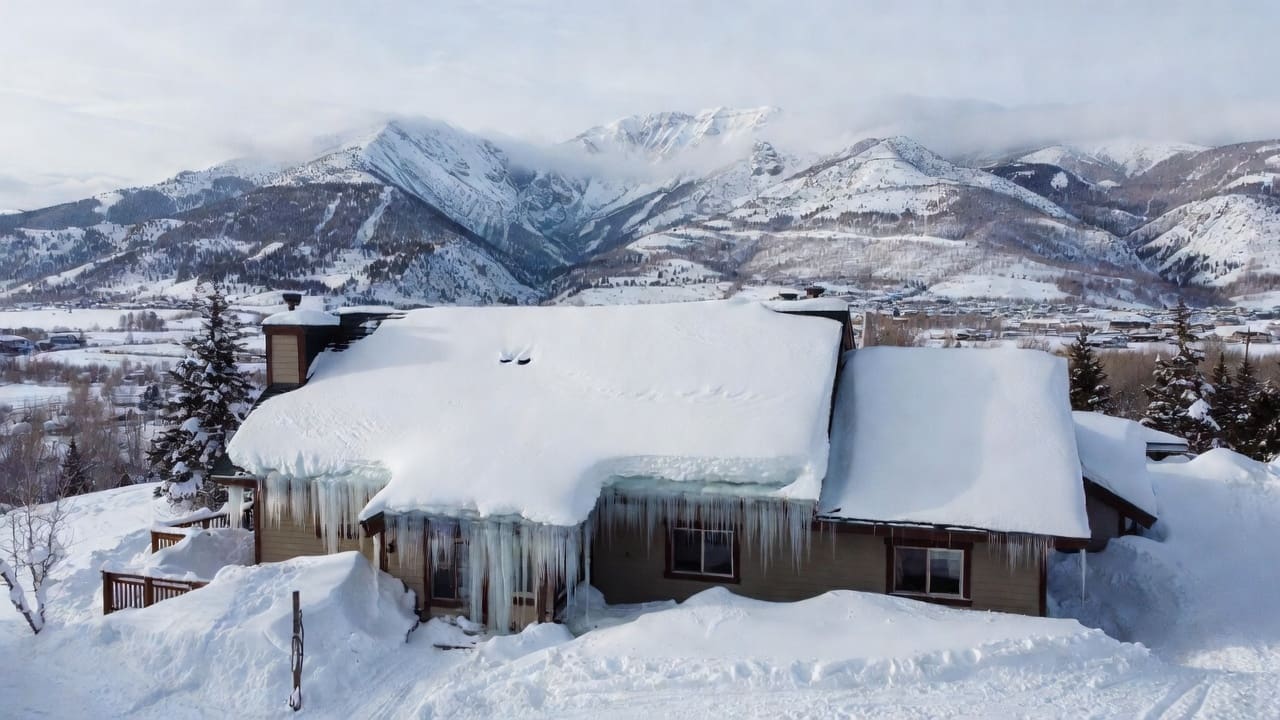
Utah homeowners deal with a risk profile that’s different from anywhere else in the region. Frozen pipes, ice dams, snow load on roofs, wildfire along the Wasatch Front, and spring runoff flooding — all of these can put you in a room with an insurance adjuster. What you say in that conversation directly affects your payout. We cover the core strategy in our companion video, but this guide digs into what Utah residents specifically need to know.
Utah’s Claims Timeline
Utah’s claims deadlines fall between Arizona’s fast timelines and Nevada’s slower ones. Here’s what Utah Admin. Code R590-190 requires.
Your carrier must acknowledge your claim within 15 days. During that window, they must provide necessary claim forms and instructions. They must respond to your communications within 15 days whenever a response is expected. After receiving your properly executed proof of loss, the carrier has 30 days to accept or deny the claim. Payment is generally due within 30 days of receiving proof of loss when liability is clear.
If the investigation remains incomplete, the carrier must update you in writing at 45 days and every 45 days after that. A claim that goes overdue without payment triggers potential bad faith exposure for the carrier.
Utah Risks That Shape Claims
Frozen pipes are the most common winter claim in Utah. Temperatures in Salt Lake City, Park City, Ogden, and Provo drop well below freezing for extended periods. When pipes in exterior walls, crawl spaces, or unheated areas freeze and burst, the water damage can be catastrophic. A single burst pipe can flood multiple rooms in minutes.
The language issue: if you tell the adjuster “the pipes froze because I was gone for two weeks and turned the heat down,” you may have just handed them grounds for denial. Most policies require you to maintain adequate heat or drain the water system when the home is unoccupied. Describe the damage you found. Let the adjuster determine cause.
Ice dams form when heat escapes through the roof, melts snow, and the meltwater refreezes at the eaves. Water backs up under the shingles and leaks into the home. Ice dam claims are common in Park City, Heber, and along the Wasatch Front. The tricky part: if the adjuster determines the ice dam resulted from inadequate insulation or ventilation, the claim may be denied as a maintenance issue. Describe the water entry point, not what you think caused it.
Snow load can collapse roofs, decks, carports, and outbuildings. Mountain communities like Park City, Brian Head, and communities near the ski resorts see this most often. If you hear cracking or see sagging, document it immediately. Waiting too long can turn a covered sudden loss into a gradual deterioration argument.
Wildfire is a growing risk along the Wasatch Front and in southern Utah. Insurance premiums in wildfire-prone areas have increased 59 percent between 2021 and 2024. If you file a wildfire-related claim, the adjuster will evaluate whether the damage was from direct flame, radiant heat, or smoke. Each can trigger different coverage responses. Document everything — soot patterns, heat warping, smoke damage to interiors.
Spring runoff and mudslide. After heavy snow years, spring melt can overwhelm drainage systems and cause hillside erosion. If runoff damages your property, be careful with your language. “Flooding” triggers the flood exclusion. “Surface water runoff from snowmelt overwhelmed the drainage” describes the mechanism without using the trigger word.
Preparing for the Adjuster
In Utah, winter claims have a timing problem. Damage from frozen pipes or ice dams often happens during the coldest months. You need temporary repairs immediately — but you also need to preserve evidence for the adjuster.
Photograph and video all damage before cleanup begins. Capture the source of water entry, the spread of damage, and any visible ice formation on the roof or eaves. Timestamp everything.
Build your damaged items list. Winter water damage often ruins flooring, drywall, furniture, and electronics. Document each item with purchase date and replacement cost.
Make temporary repairs. Shut off the water. Remove standing water to prevent mold. Cover damaged areas. Keep all receipts. But do not tear out drywall or begin permanent repairs before the adjuster inspects.
Read your policy. Check for winter-specific provisions — some policies have vacancy clauses that reduce coverage when the home is unoccupied for an extended period. Ski season rental properties in Park City and Deer Valley may be affected.
Get a contractor estimate from someone who understands Utah’s winter damage patterns. Freeze damage repair involves drying, mold remediation, drywall replacement, and sometimes subfloor work. A local contractor will scope it properly.
During the Inspection
Be present. Walk the adjuster through every room and affected area. Water from a burst pipe can travel through walls and ceilings to damage rooms far from the source. Make sure the adjuster checks for hidden damage behind walls and under flooring.
Get the adjuster’s name, phone, email, and claim number.
If it’s a roof claim — ice dam, snow load, or wind — make sure the adjuster inspects the roof. In winter conditions, that may require a follow-up visit. Don’t let them estimate roof damage from the ground if the damage is on top.
Be honest and factual. Don’t speculate. Don’t use words like “gradual,” “ongoing,” or “it’s been happening for a while.” Describe what you found, when you found it, and what you did.
Before they leave, walk through their documentation. Confirm every damaged area is accounted for.
Utah Language Traps
“The pipes froze because the heat was off” gives the carrier a denial argument based on failure to maintain. Say instead: “I discovered a burst pipe and water damage on [date].”
“The ice dam has been there all winter” implies gradual damage. A sudden water intrusion from an ice dam is more likely to be covered than slow, ongoing seepage.
“The roof was already sagging” implies pre-existing structural issues. Even if you noticed it before, describe the current damage as you found it.
When the Estimate Comes in Low
Utah construction and remediation costs have climbed, especially in the Salt Lake City metro and Summit County. Water damage restoration involves drying, mold testing, drywall replacement, and sometimes structural repair. Adjuster estimating software may not reflect current Utah labor rates.
Compare estimates line by line. If the scope is different, request a reinspection. If pricing is different, submit your contractor’s estimate and ask for a review.
If you have replacement cost coverage, the carrier may initially pay the depreciated value. You’ll receive the remaining amount after repairs are complete and you submit receipts.
Escalation in Utah
Your agent. Start here. An independent agent reviews the report, compares it to your policy, and pushes back on your behalf.
A public adjuster. For larger claims — especially total losses from fire or extensive water damage — a public adjuster can reinspect and negotiate. They charge 10 to 15 percent of the payout.
The Utah Insurance Department. File a complaint online or call (801) 538-3800. The department enforces unfair claims settlement practices rules and investigates carrier delays, underpayments, and denials. Filing puts the carrier on formal notice.
An attorney. Utah courts recognize bad faith claims against insurers. If the carrier isn’t following policy terms, legal action is an option. The statute of limitations for property damage claims in Utah is three years.
We Can Help
If you’re a Utah homeowner, landlord, or business owner and you need help with a claim or want a coverage review, get a quote or give us a call. Learn more about our Utah insurance services.
Check out our Google reviews to see what our clients say. For more on what your policy covers, watch our videos on landlord insurance and umbrella policies.
Frequently Asked Questions
How long does an insurance company have to respond to a claim in Utah?
Under Utah Admin. Code R590-190, your carrier must acknowledge your claim within 15 days and respond to your communications within 15 days. After receiving your proof of loss, the carrier has 30 days to accept or deny the claim. If the investigation is still open, they must update you in writing every 45 days.
Does homeowners insurance cover frozen pipe damage in Utah?
Most standard homeowners policies cover sudden water damage from a burst pipe. However, if the carrier determines you failed to maintain adequate heat or drain the water system while the home was unoccupied, the claim may be denied. Describe the damage you found rather than speculating about the cause.
What should I not say to an insurance adjuster after a claim?
Avoid language that implies gradual damage, pre-existing conditions, or negligence on your part. Phrases like “it’s been happening for a while,” “the heat was off,” or “the roof was already sagging” can give the carrier grounds to reduce or deny your claim. Stick to what you found, when you found it, and what you did about it.
What can I do if my insurance adjuster’s estimate is too low?
Compare the adjuster’s estimate to your own contractor’s estimate line by line. If the scope of work differs, request a reinspection. If pricing differs, submit your contractor’s estimate and ask for a review. You can also escalate through your agent, hire a public adjuster, or file a complaint with the Utah Insurance Department.
Are ice dam claims covered by homeowners insurance in Utah?
Sudden water damage from an ice dam is generally covered. However, if the adjuster determines the ice dam resulted from inadequate insulation or ventilation, the claim may be denied as a maintenance issue. Describe the water entry point and the damage rather than speculating about the cause of the ice dam itself.


