
Hybrid and EV Battery Total Loss Risk in Utah — Cold Weather, Mountain Roads, and What Owners Miss
Utah’s climate and terrain create a unique set of risks for hybrid and EV battery packs. Winter cold, road salt, mountain debris, and the state’s booming hybrid adoption rate all factor in. The result is a problem catching more Utah drivers off guard every year — a minor accident that totals your vehicle because the battery is too expensive to replace. We cover the full breakdown in our companion video.
Cold Weather and Battery Vulnerability
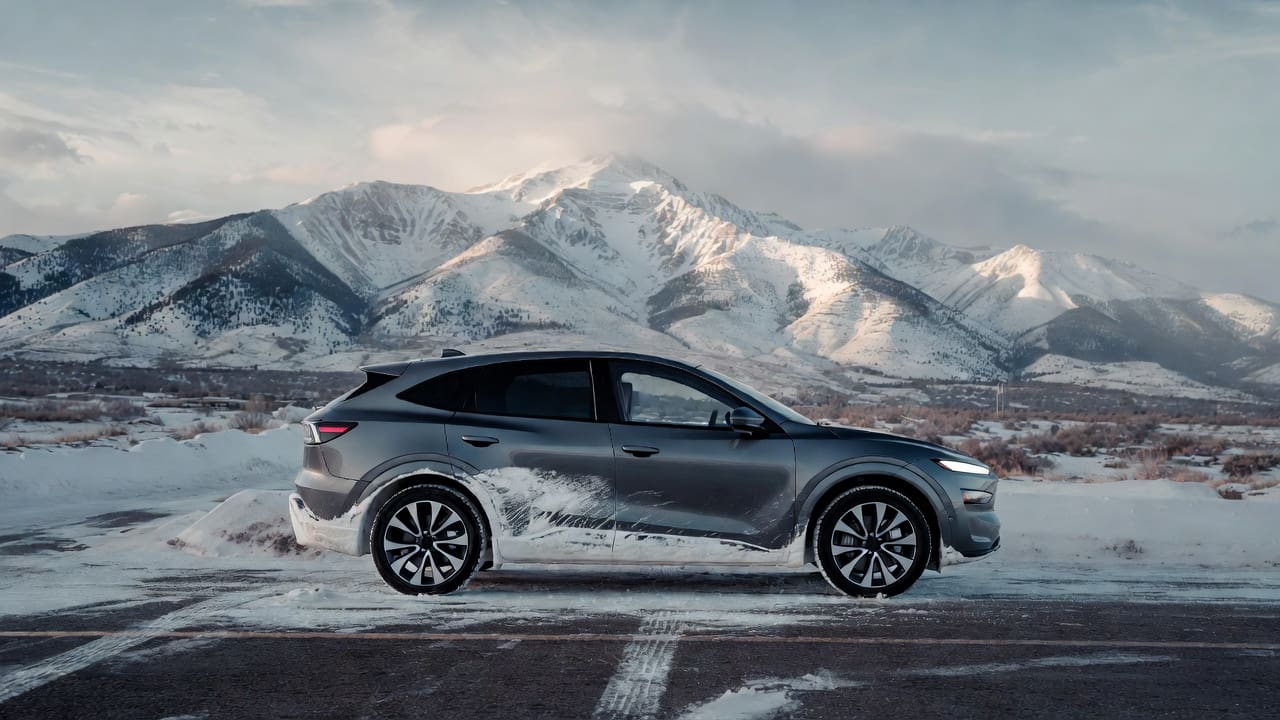
Utah winters are hard on lithium-ion batteries. When temperatures drop well below freezing in Salt Lake City, Provo, Ogden, and Park City, battery packs lose range. The thermal management system works overtime to maintain operating temperature. That constant cold-weather cycling puts stress on the pack over years.
But the bigger winter risk is physical. Snow-covered roads hide potholes, rocks, and debris that can strike the undercarriage at speed. I-80 through Parley’s Canyon, I-15 through the Point of the Mountain, Highway 189 to Provo Canyon — all of them are littered with gravel and hazards during winter months. One hard strike to the battery casing can compromise the enclosure.
Many battery packs are not designed to be inspected or repaired after structural impact. If the casing is dented or cracked, the insurer typically has to choose between replacing the pack or totaling the vehicle.
Road Salt and Corrosion
Utah uses road salt and brine heavily during winter months. That’s standard for mountain states. But for hybrids and EVs, salt spray hitting the battery enclosure is an accelerant. Over years, corrosion weakens the casing and can make it more susceptible to damage from even a minor impact.
A battery casing that might survive a parking lot bump on a three-year-old vehicle could crack on a seven-year-old vehicle with years of salt exposure. That’s a factor insurers are starting to watch — and one that used car buyers should think about before purchasing a high-mileage Utah hybrid.
Utah’s Hybrid Boom
Utah is one of the top hybrid markets in the country per capita. Large families, long commutes along the Wasatch Front, and high gas prices have driven the trend. The RAV4 Hybrid is one of the best-selling vehicles in the state. The Tucson Hybrid, CR-V Hybrid, and Highlander Hybrid are close behind.
Most of those buyers chose a hybrid for the fuel savings. They’re not thinking about the high-voltage battery under the floor. But every one of those vehicles carries a component that costs $4,000 to $6,000 to replace. That cost can trigger a total loss on an aging vehicle with lower market value.
As Utah’s hybrid fleet ages past the 8-year federal warranty window, more owners will face this math for the first time. An eight-year-old hybrid worth $10,000 with a $5,000 battery claim and $3,000 in body work is a total loss.
Mountain Recreation and Debris Risk
Utah drivers spend a lot of time on mountain roads. Ski season, camping, Moab trips, national park runs. Those roads are beautiful but full of hazards. Rock slides along Highway 6, gravel shoulders on Highway 12, and construction debris on I-15 all threaten the battery enclosure.
A single piece of debris at 65 mph can dent the battery casing. Most drivers wouldn’t think twice. But the next time the vehicle goes in for service or gets into a fender bender, that damage could be flagged. Once it’s flagged, the total loss calculation begins.
What Utah Drivers Should Do
Inspect your undercarriage after driving mountain roads, especially during winter and spring when debris is heaviest.
Track your vehicle’s depreciation relative to the battery replacement cost. Cold climate cycling and road salt accelerate both wear and value loss.
Ask about GAP coverage. When your vehicle is totaled, the insurer pays actual cash value — not what you owe. The difference on a depreciating hybrid can be thousands of dollars. GAP picks that up.
Ask about new car replacement coverage if your vehicle is still in the first year or two of ownership.
Check your UM/UIM limits. Utah’s minimum liability coverage is low. If someone with minimum limits totals your hybrid or EV, you’ll feel the shortfall.
If buying used, get a battery health report. Utah’s winters and road salt take a toll. Diagnostic data on the battery is essential before you commit — especially on vehicles approaching the end of their warranty.
We Can Help
If you drive a hybrid or EV in Utah and want to make sure your coverage matches the actual risk, get a quote or give us a call. We serve drivers across Utah and work with multiple carriers. Learn more about our Utah insurance services, or check out our Google reviews.
For more on auto insurance, watch our videos on why EVs cost more to insure and how to lower your premiums.


