
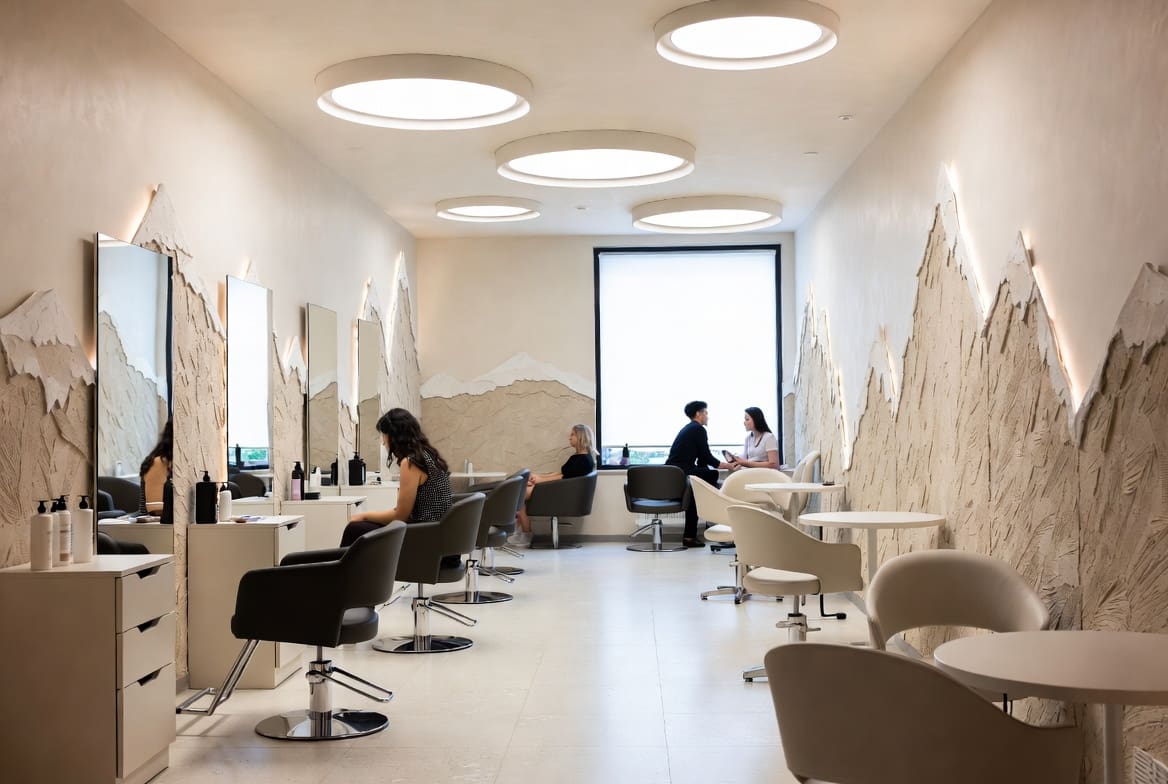
Utah hair salon insurance gives salon owners in Salt Lake City, Provo, Ogden, St. George, and across the state the coverage they need to handle claims and protect their investment. The Utah Division of Professional Licensing requires cosmetology licenses and establishment licenses before a salon can open. But a state license does not come with insurance. Building the right coverage program is a separate step, and it is one that protects your business when something goes wrong.
Professional Liability Is the Coverage Most Salons Need and Some Do Not Have
General liability handles premises accidents. Someone trips over a styling cord. A bag gets stained by product. These are straightforward claims. But the exposure that keeps salon owners up at night comes from the services they provide.
A client gets chemical burns from a color treatment. An allergic reaction to a new product results in a trip to the emergency room. A perm causes hair loss. These are professional service claims, and they require professional liability coverage. General liability by itself may not cover them. Utah salon owners should check whether professional liability is included in their policy or if it needs to be added as an endorsement.
Property, Business Income, and the Buildout Investment
A business owners policy is the standard foundation for salon coverage. It bundles general liability with commercial property insurance. The property piece protects your styling chairs, wash stations, dryers, mirrors, and product inventory.
Business income coverage helps replace revenue if a covered event forces you to close. A burst pipe in January can shut down a salon for weeks. Business income keeps the financial picture stable while repairs happen.
The buildout investment is where many salon owners are underinsured. Plumbing for wash stations, custom cabinetry, flooring, and lighting represent real dollars. Tenant improvements and betterments coverage should reflect what you actually spent, not just the furniture and inventory sitting on the floor.
Workers Compensation and Employee Risks
Utah requires workers compensation for most employers. Salons have specific exposures that make this coverage important. Chemical burns from mixing color, fume exposure from smoothing treatments, repetitive strain from cutting and styling, and slips on hard floors with water and product residue are all common claims.
Classification matters. Whether a worker is an employee or an independent contractor depends on the actual arrangement, not just a signed agreement. Utah law examines control, scheduling, tools, and other factors. Do not assume that everyone working in your salon falls outside the workers comp requirement without checking the classification.
Managing Booth Renter Risk
Booth renting is common across Utah, particularly in growing markets like Lehi, Draper, and the Salt Lake Valley. A booth renter operates independently – they rent space, bring their own clients, and choose their own products.
The salon owner’s policy covers the salon owner’s business. If a booth renter’s service causes injury to a client, that claim belongs to the booth renter. But lawsuits do not always respect those lines. A client’s attorney may name the salon, the salon owner, and the booth renter in the same lawsuit.
Protect yourself by requiring booth renters to carry their own general and professional liability coverage. Collect a certificate of insurance from each booth renter. Have the lease agreement require additional insured status where the policy allows and clearly assign responsibility for service-related claims.
Completing the Coverage Program
Inland marine coverage is worth considering if booth renters or mobile stylists keep personal tools and equipment that are not covered under the salon’s property policy. Professional shears, hot tools, and clippers can represent a meaningful investment.
Cyber liability matters for salons that use digital booking, process payments electronically, or maintain client records. A breach can expose personal information, and cyber coverage helps pay for the response.
Product liability is relevant if you sell retail products from the salon. Make sure the carrier knows about your retail operation. A client who has a reaction to a product purchased from your shelf is filing a different type of claim than a client who had a reaction during a service.
A commercial umbrella provides higher limits, but it follows the terms of the policies underneath it. If professional liability is not scheduled under the umbrella, service claims may not receive the additional coverage. Ask your agent to confirm what the umbrella covers.
The Utah Division of Professional Licensing cosmetology page provides information on licensing requirements, establishment standards, and professional regulations for salons in Utah.
Western Pacific Insurance works with salon owners across Utah. Get a quote for your Utah salon or learn more about our Utah coverage.


