
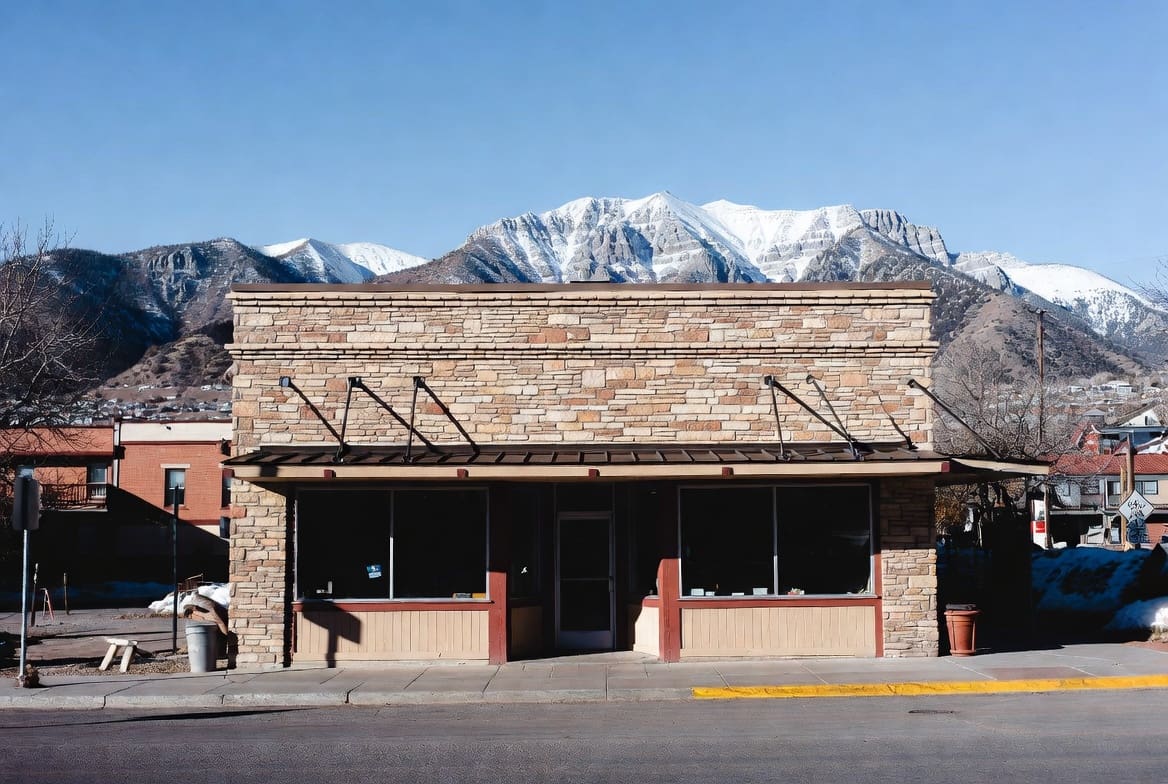
Utah’s economy runs on a lot of small businesses. Roughly 325,000 of them across Salt Lake City, Provo, Ogden, St. George, and the smaller communities in between. Utah general liability insurance is the foundation of protecting those businesses from the lawsuits that come with having customers, clients, and employees in the physical world.
Utah does not require general liability for most businesses by statute. Workers’ compensation is the mandatory one once you have employees. But for practical purposes, GL is not optional. Landlords in Salt Lake City, Park City, and Lehi all ask for it. Clients ask for it in contracts. Certain licensed trades are required to carry it to hold their Utah license.
Utah Licensed Trades That Require General Liability
Utah’s Division of Occupational and Professional Licensing sets specific general liability requirements for several regulated industries. General contractors, electrical contractors, plumbers, handypersons, and landscaping contractors all face minimum insurance expectations to hold a Utah license. The Utah Insurance Department maintains consumer resources explaining how these coverages work.
Beyond state licensing, commercial leases across Utah ask for general liability as a condition of signing. The standard request is typically one million per occurrence and two million aggregate. Premium office and retail properties in downtown Salt Lake City, Silicon Slopes corporate campuses, or Park City resort corridors sometimes require higher limits.
Winter-Related Slip-and-Fall Exposure in Utah
Utah has one specific exposure worth calling out: winter. Snow, ice, and freeze-thaw cycles create slip-and-fall conditions that other states do not face the same way. A customer slipping on an icy walkway outside a Logan coffee shop, a parking lot fall in Ogden during an early spring storm, a wet-floor incident tracking snow into a Provo retail shop – these are common GL claim scenarios across Utah winters.
The policy mechanics are the same as anywhere else. GL pays for the injured party’s medical bills, any legal defense if they sue, and a settlement or judgment up to policy limits. Defense is paid outside the limits on most standard policies. The value is real because a serious back injury from an icy fall can run well into six figures, and Utah juries are not shy about awarding damages in cases where the business operator failed to maintain the premises.
The BOP vs. Standalone Decision in Utah
Most Utah small businesses with a physical location benefit from a Business Owners Policy. A BOP packages general liability with commercial property and business income into a single policy at a single premium. For a typical Utah brick-and-mortar business – retail, professional services, small restaurants, salons, studios – the BOP structure is usually more cost-effective than buying separate policies.
Larger Utah businesses, businesses with unusual exposure, or businesses where the property and liability pieces need separate structures sometimes buy standalone GL with property written separately. The call depends on the business. For most small operators, the BOP is the right starting point.
What Utah Business Owners Should Check
The first thing to look at on any Utah commercial policy is the GL limits. Are they one million per occurrence and two million aggregate? Is that enough for what you do? If a contract requires more, does your current policy get you there, or do you need either higher limits or a commercial umbrella?
The second thing is the coverage parts. Is products and completed operations included? Is personal and advertising injury on the policy? What about medical payments? These are usually standard, but policy wording varies by carrier.
The third thing is what is not covered. GL does not cover your own property – that is commercial property. It does not cover employee injuries – that is workers’ comp. It does not cover professional mistakes – that is E&O. It does not cover auto – that is commercial auto. Understanding the gaps matters as much as understanding the coverage.
Getting Utah Coverage That Fits Your Business
A good Utah commercial insurance program is built around the actual operation. A Salt Lake City consultant has different exposure than a Provo restaurant or a Moab outdoor-equipment retailer. Limits, structure, endorsements, and carrier selection all need to reflect the business.
Western Pacific Insurance writes commercial insurance for Utah businesses. We compare carriers, evaluate your exposure, and help you understand what you are actually buying. Get a quote or learn more about our Utah coverage.


