
RV Insurance – What Your Policy Needs to Cover
RV insurance is one of those products that looks simple until something goes wrong. The coverage names sound familiar. The policy structure feels like auto insurance. But the gaps between what you think you have and what your policy actually covers can cost you thousands of dollars at the worst possible time.
The biggest mistake RV owners make is insuring the vehicle without insuring the lifestyle. A weekender who takes the rig out a few times a year needs a different product than someone who sold their house and lives in the motorhome full-time. Getting this wrong is the most common coverage gap we see, and it is the one that creates the most expensive surprises at claim time.
Motorhomes and Towable Trailers Are Insured Differently
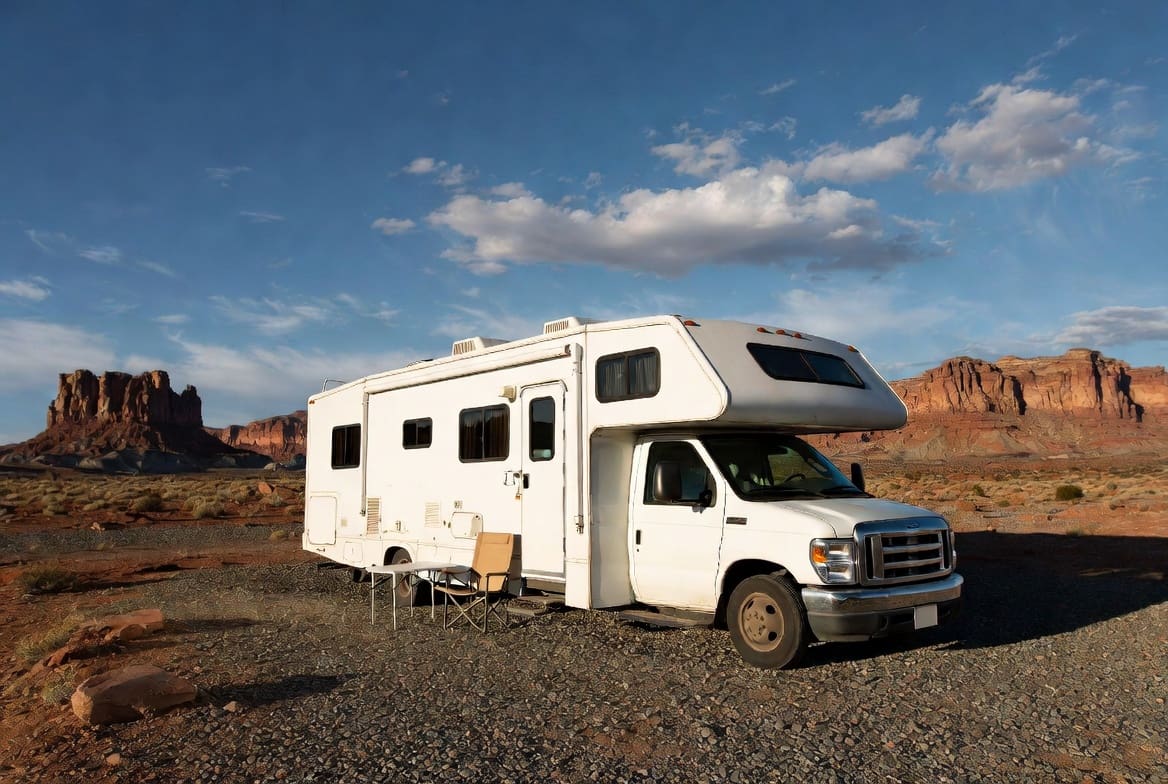
A motorhome is a self-propelled vehicle. Class A rigs are the large bus-style units. Class B is a camper van. Class C is the mid-size option built on a truck or van chassis with a cab-over sleeping area. Because a motorhome has an engine and operates on public roads, it needs its own standalone insurance policy with at least the state minimum liability coverage.
A towable trailer does not have a motor. Your tow vehicle’s liability coverage extends to the trailer while it is hitched and you are pulling it. But your auto policy does not cover physical damage to the trailer itself. If a tree falls on it, someone breaks into it, or you back it into a post at a campground, your auto policy is not paying for that damage. You need a separate RV policy or a trailer endorsement to cover physical damage to the unit.
Vacation Liability Fills a Gap Most Owners Miss
Standard auto liability covers the driving exposure. It does not cover incidents that happen while your RV is parked and being used as a temporary residence. If someone trips over your leveling jacks at a campsite, or your awning collapses and damages the rig next to you, that is a different kind of liability exposure.
Vacation liability is the coverage that addresses it. Some policies include a small default amount, sometimes as low as ten thousand dollars. Some do not include it at all. If you spend meaningful time at campgrounds, this coverage matters. Ask your agent what your vacation liability limit is and whether it reflects how you actually camp.
Full-Timer Coverage Is a Different Product
If you live in your RV for more than six months out of the year, a standard recreational policy is the wrong product. A full-timer policy is designed to fill some of the same roles your homeowners policy used to fill. That includes broader personal liability while the rig is parked and occupied, medical payments for people injured in or around your RV, higher personal property limits, and in some cases loss assessment coverage if you are parked in an RV community with shared common area costs.
A recreational policy assumes you have a house somewhere else handling your homeowners liability, personal property, and umbrella coverage. When the RV becomes your primary residence and that house is gone, those other policies are no longer backing you up. The full-timer policy is designed to fill much of that role. National General outlines the key differences between recreational and full-timer RV policies and explains why the distinction matters for anyone living on the road.
How Your RV Gets Valued After a Total Loss
RV depreciation is aggressive. A new motorhome can lose a significant percentage of its value in the first few years. The way your policy values the rig on a total loss matters more than most owners realize.
Most standard RV policies settle on actual cash value. That means the carrier pays what the rig is worth at the time of the loss, minus depreciation and minus your deductible. If the loan balance is higher than the market value, you are writing a check for the difference.
Agreed value works differently. You and the carrier agree on a value when the policy is written, and that is what gets paid on a total loss. No depreciation calculation. Total loss replacement is another option where the carrier replaces the rig with a comparable new unit, usually within the first four to five model years. Gap coverage closes the difference between the actual cash value and the outstanding loan balance if you are financing.
Personal Property and Contents Coverage
Your RV has a television, a laptop, outdoor furniture, cooking equipment, tools, and personal items. Personal property coverage protects the contents inside the rig if they are damaged or stolen in a covered event. But the default limit on many recreational policies is low, sometimes just a few thousand dollars.
If you are a weekender who keeps most belongings at home, a lower limit may be fine. If you are a full-timer and everything you own is inside the rig, a few thousand dollars is not enough. Full-timer policies generally offer higher personal property limits, and some offer replacement cost on contents rather than actual cash value.
Storage and the Off-Season
If you park your RV for part of the year, do not cancel the policy. Canceling can create a gap in your insurance history, and that can affect eligibility, discounts, or pricing when you come back. Your homeowners insurance does not cover physical damage to the RV itself in your driveway or in a storage lot.
A storage option or seasonal adjustment keeps comprehensive coverage in place while reducing or suspending coverages you do not need while the rig is parked. That means theft, vandalism, weather damage, and fire are still covered. If your RV is financed, your lender almost certainly requires continuous coverage whether the rig is moving or not.
What to Look for on Your RV Policy
Liability limits above the state minimum. Uninsured and underinsured motorist coverage. Vacation liability verified and at a limit that makes sense. If you are a full-timer, a full-timer policy. Valuation method confirmed. Personal property coverage that reflects what is actually inside the rig. Roadside assistance and towing limits that account for the size of your vehicle. Emergency expense or trip interruption coverage for situations where the rig is disabled far from home. And a storage plan that keeps coverage continuous during the off-season.
If you have an RV and you want to make sure it is covered properly, get a quote from Western Pacific Insurance. We write RV coverage in Nevada, Arizona, Utah, and California, and we can walk through exactly what your policy needs based on how you actually use the rig.


