
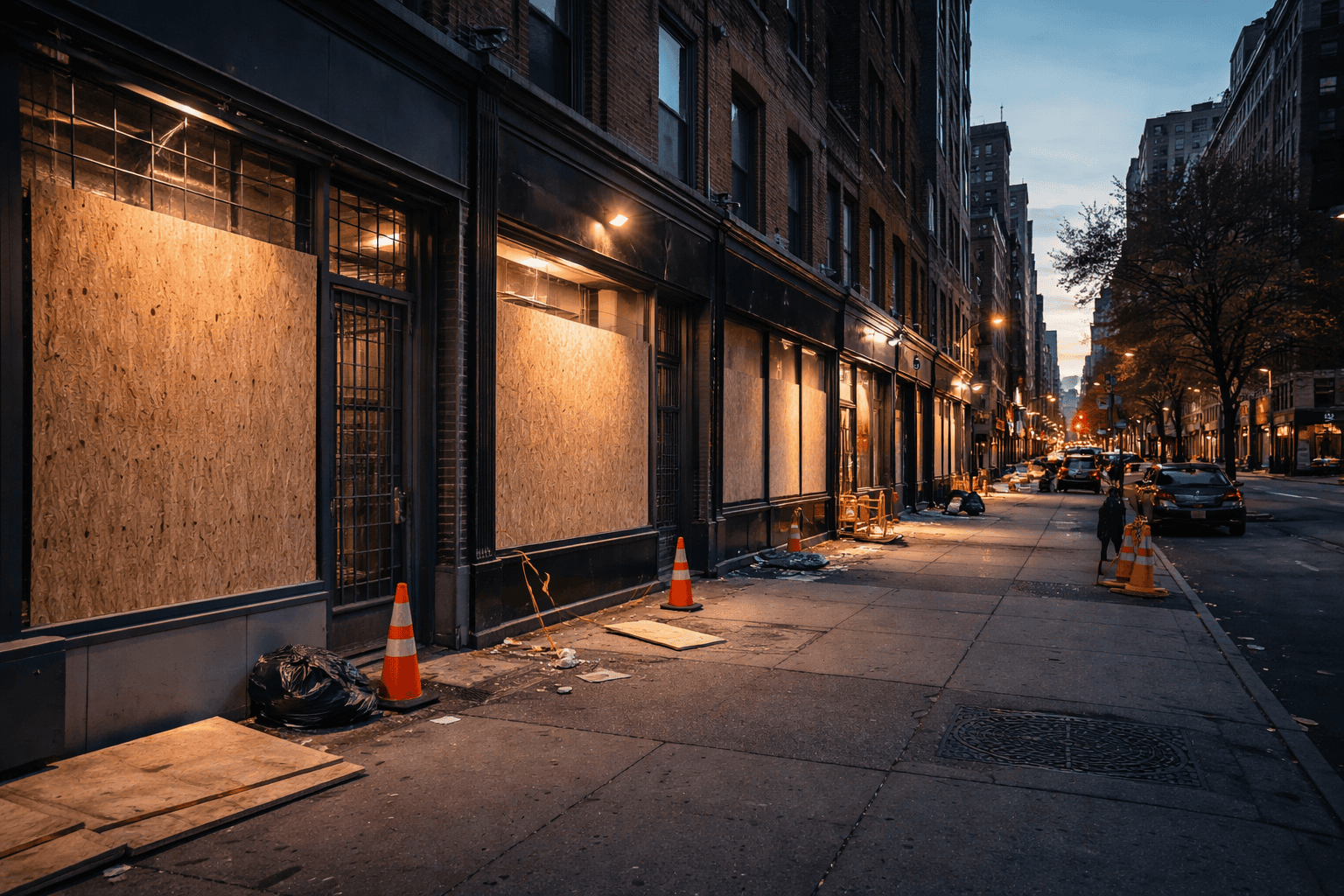
Is Riot Damage Covered by Insurance? What Homeowners and Businesses Need to Know
Is riot damage covered by insurance? It’s a question many homeowners and business owners ask when they see news footage of civil unrest or protests turning destructive. Riots feel like extreme, chaotic events — the kind of loss people assume insurance companies would exclude. In reality, most standard insurance policies do cover riot and civil commotion. The real challenge isn’t whether coverage exists, but understanding how that coverage actually applies when a claim happens.
In our recent YouTube video on riot damage and insurance coverage, we walk through real-world claim scenarios step by step. This article expands on those ideas in more detail, so you can better understand how policies respond, where surprises tend to occur, and what to review before a loss ever happens.
Is Riot Damage Covered Under Homeowners Insurance?
Most standard homeowners insurance policies list riot and civil commotion as a covered peril. That means physical damage caused by a riot is typically treated the same way as damage from fire, wind, or vandalism.
If a riot results in a broken window, damaged siding, or spray paint on your garage door, your dwelling coverage generally pays to repair or replace those items, subject to your deductible. If your personal belongings are damaged — for example, furniture affected by broken glass or items ruined by smoke — personal property coverage may apply.
If the damage makes your home temporarily uninhabitable, additional living expense (ALE) coverage can help pay for hotel stays, meals, and other increased costs while repairs are completed.
What matters most is that the damage is direct physical damage to your insured property. The policy does not typically distinguish between riot damage and other forms of vandalism when it comes to coverage.
How Renters Insurance Handles Riot Damage
If you rent your home or apartment, the same core principles apply, but the coverage is split. The landlord’s insurance policy covers damage to the building itself, while your renters insurance covers your personal belongings, liability, and additional living expenses if you are displaced.
Riot damage to your belongings — such as stolen or damaged personal property — is generally covered under a renters policy, again subject to deductibles and policy limits.
Riot Damage and Commercial Property Insurance
For businesses, riot coverage is also built into most commercial property policies. Physical damage to your building, storefront glass, signage, inventory, or equipment caused by a riot is typically covered.
Theft that occurs during a riot is often covered as well, provided there is evidence of forced entry and no specific sublimits apply to the stolen property. Inventory losses are usually handled under business personal property coverage.
These direct damage claims are often straightforward. Where things become more complex is what happens after the damage occurs.
Business Interruption Coverage After a Riot
Business interruption insurance is designed to replace lost income when your business is forced to close due to covered physical damage. If a riot damages your storefront and you must close while repairs are made, business interruption coverage typically applies during the period of restoration — the reasonable amount of time required to repair or replace the damaged property.
This coverage can help pay for lost revenue and ongoing expenses such as payroll, rent, and utilities while your business is closed.
However, business interruption coverage requires that your closure be caused by direct physical damage to your insured property. If your business is undamaged but access is restricted due to a citywide curfew or police order, a different coverage may apply.
Civil Authority Coverage Explained
Civil authority coverage applies when a government authority prohibits access to your business due to damage to nearby property. This coverage is more limited than business interruption and often includes waiting periods and lower limits.
To trigger civil authority coverage, most policies require two things: damage to property in the surrounding area and an official order that specifically prevents access to your location because of that damage. The riot itself is not the trigger — the government order is.
We explain this distinction in detail in our YouTube video, because confusion between business interruption and civil authority coverage is one of the most common reasons business owners are surprised during a claim.
Rented Commercial Spaces and Repair Delays
If you rent your business space, your policy covers your contents, inventory, and business interruption, while the landlord’s policy covers the structure. Your reopening timeline may depend on how quickly the landlord completes repairs.
Business interruption coverage applies only for the reasonable restoration period. It does not automatically extend due to contractor backlogs or widespread damage affecting many businesses at once. This is why coverage limits and time periods matter so much in riot-related losses.
Deductibles, Sublimits, and Out-of-Pocket Costs
Many claim frustrations come down to deductibles and sublimits. A $3,000 loss with a $2,000 deductible means most of the cost comes out of pocket. Some commercial policies apply higher deductibles to vandalism or malicious mischief losses, which may include riot damage.
Inventory sublimits can also significantly reduce how much is paid for stolen goods. Understanding these details before a loss occurs is critical.
How to Review Your Insurance Before Civil Unrest Happens
Instead of only asking whether riot damage is covered, review how it is covered. Look at your deductible, policy limits, business interruption time frames, waiting periods, and civil authority provisions. Make sure property limits reflect true replacement cost, not outdated estimates.
Resources like the iii.org provide general education, but your specific policy language is what ultimately controls coverage.
For a full walkthrough using realistic claim scenarios, watch our companion YouTube video on riot damage and insurance coverage. Seeing how these coverages interact in practice can make a big difference when evaluating your own policy.
If you want help reviewing your coverage, explore our personal insurance solutions or business insurance services to learn how policies are structured for real-world risks.
Riot-related claims are rare, but when they happen, the difference between knowing you’re covered and knowing how you’re covered often determines whether recovery is smooth or financially stressful.


