
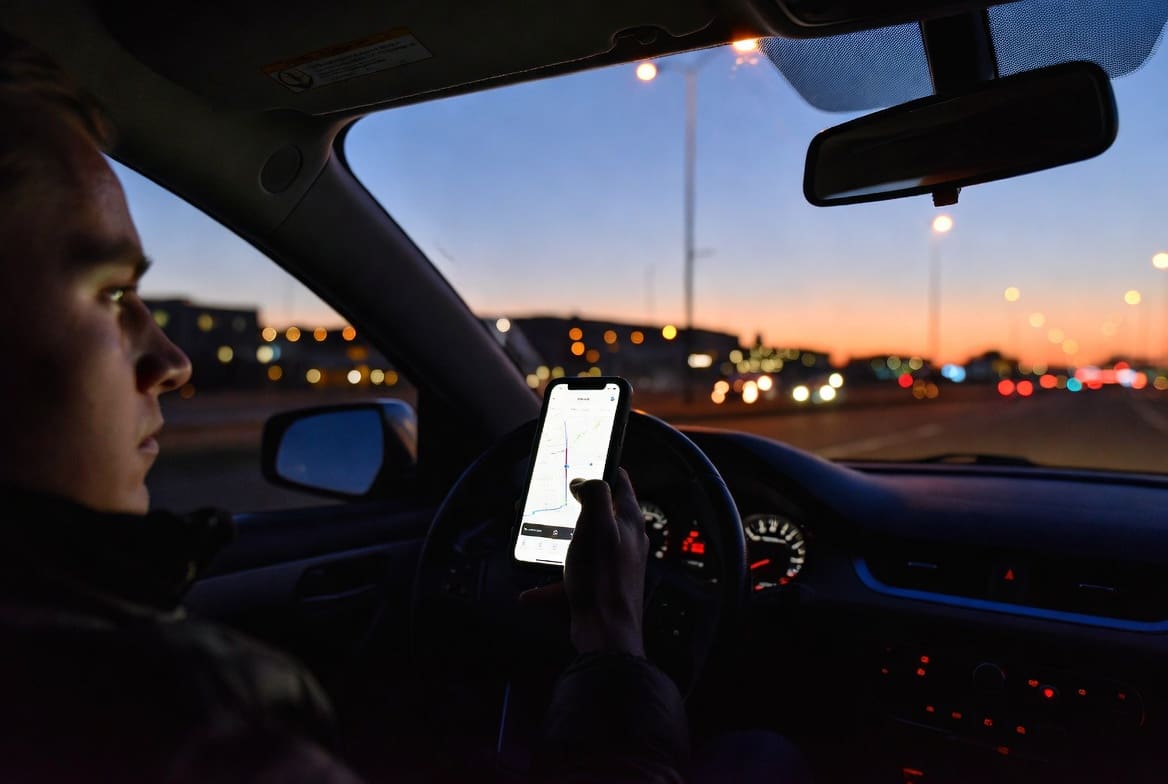
Rideshare and delivery driving looks simple from the outside. You turn on an app, you drive, you get paid. But the insurance behind that driving is not simple, and most drivers do not learn the details until a claim gets denied. The moment your app goes on, your personal auto policy may step back, and the platform’s coverage is often thinnest at the exact moment you are most exposed. This guide breaks down how it works, where the gaps are, and how to close them.
What is rideshare and delivery insurance?
Rideshare and delivery insurance is coverage that protects you while you drive for an app-based platform like Uber, Lyft, DoorDash, or Uber Eats. It usually takes one of two forms. The first is an endorsement added to your personal auto policy. The second is a commercial or specialty policy built for business use. Both exist because carriers price a standard personal auto policy for personal driving, not for carrying people or goods for pay.
Why does your personal policy step back when the app turns on?
A personal auto policy covers personal driving. Commuting, errands, road trips. When you start carrying passengers or making deliveries for money through an app, that use changes. Most personal policies, without the right add-on, contain exclusions aimed at carrying people or property for compensation, or at driving through a transportation or delivery network.
That means your carrier can deny a claim you file during app-based work. Worse, if your carrier learns after a claim that you drove for an app and never told them, they may deny the claim and then cancel or non-renew the policy. Disclosing your driving up front is the safer path.
What are the phases of a gig-driving shift?
Passenger rideshare is usually explained in phases, numbered zero through three. Delivery platforms use their own labels, but the same four ideas apply. The Insurance Information Institute describes three periods where a personal auto policy may offer no coverage to app-based drivers.
Phase zero: app off. You are driving for yourself. Your personal policy covers you as it always has.
Phase one: app on, waiting. You are logged in and available, waiting for a request. This is the most exposed phase. Your personal policy may exclude the loss because you are logged in for work, and the platform’s coverage here is thin.
Phase two: request accepted. You are driving to the pickup. For Uber, Lyft, and many delivery platforms, the larger platform liability coverage generally begins here.
Phase three: active trip. You are carrying the passenger or the order. On most platforms the coverage matches phase two and runs until the trip ends.
What does the platform’s insurance actually cover?
Uber, Lyft, DoorDash, and Uber Eats all advertise large coverage numbers. Those numbers are real, but the biggest limits generally apply only after a ride or delivery has been accepted.
Two points get missed. First, the big advertised number is liability. It protects other people you might hurt, not your own car. Where a platform offers coverage for your own vehicle, it is usually contingent on you already carrying comprehensive and collision on your personal policy, and it comes with a high deductible. According to Progressive, during the waiting phase you are typically on the hook for physical damage to your own car unless you add a rideshare endorsement.
Second, rideshare and delivery differ sharply in the waiting phase. With Uber and Lyft, while you wait you generally get lower liability limits and no coverage for your own car. With DoorDash, in most states there is no auto liability coverage at all until you accept an order, and DoorDash states plainly that damage to your own vehicle is your responsibility.
What is the rideshare or delivery endorsement?
For many part-time gig drivers, the fix is a rideshare or delivery endorsement on the personal auto policy. It changes your policy, in writing, to add coverage for the app-based driving your plain policy may exclude. Depending on the carrier and state, it can extend selected coverages into the waiting phase, and sometimes further. Some versions also reimburse the difference between the platform’s high deductible and your own.
Two cautions matter. Not every carrier offers one, and not in every state, so the first move is to ask your carrier directly. And if you do both rideshare and delivery, do not assume one endorsement covers both. Some cover only passengers, some include delivery. Ask exactly which apps and activities yours covers.
When do you need commercial auto instead?
The endorsement is the right tool for many drivers, but not everyone. There is no fixed number of hours that forces a switch. The real question is whether your carrier and your endorsement allow the way you actually use the car.
If your vehicle is mostly or entirely a work vehicle, if you drive full-time hours, or if you deliver under a contract beyond the big apps, a personal policy with an endorsement may not match how the car is used. That can be commercial auto, livery, or courier territory. A generic commercial policy is not automatically enough, though. It has to match the actual rideshare, delivery, or for-hire work you do, written and classified for that use.
Is rideshare insurance required?
Requirements vary by state. Some states require platforms to carry higher liability limits during certain phases. Some treat delivery differently from passenger rideshare. A few cities add their own rules. Even where no law requires a personal endorsement, driving without one during the waiting phase can leave you personally exposed. Check your state’s rules and your own policy before you rely on either.
What does rideshare insurance cost?
Cost depends on your carrier, your state, how much you drive, and your record, so treat any published figure as a starting point, not a quote. The endorsement is usually a modest add to your premium rather than a separate policy. Compare.com reports endorsement costs commonly running in the range of roughly $15 to $40 per month depending on the carrier. State Farm advertises that adding its rideshare coverage typically increases the overall premium by about 15 to 20 percent, according to Insurify. The more important variable than price is availability: not every carrier offers the endorsement, and the first question to ask is whether yours does.
Frequently asked questions
Does my personal auto insurance cover me while driving for Uber or Lyft?
Often no. Most personal policies exclude app-based driving for pay. Your carrier may deny a claim you file while logged in and working, unless you have added a rideshare endorsement.
Does DoorDash cover damage to my own car?
No. DoorDash states that its policy does not cover damage to your own vehicle. That is left to you and whatever coverage applies under your own policy.
I drive for both rideshare and delivery. Does one endorsement cover both?
Not always. Some endorsements cover only passenger rideshare, some include delivery. Ask your carrier exactly which apps and activities your endorsement covers.
What is the most exposed part of a shift?
The waiting phase, when the app is on but you have not accepted a request. Your personal policy may exclude it, and the platform’s coverage is thinnest then, especially on the delivery side.
Do I need commercial auto insurance?
Maybe, if the car is mostly a work vehicle or you drive full-time. There is no fixed hour threshold. The test is whether your policy and endorsement permit how you actually use the car.
Talk it through before your next shift
The cleanest way to know what applies when your app is on is to review your policy and endorsement with an agent before you need the answer. As an independent agency, we shop multiple carriers to find the best fit for your situation. Get a quote or reach out with questions.
We help drivers across our service area. Learn more about coverage in Nevada, Arizona, Utah, and California.


