
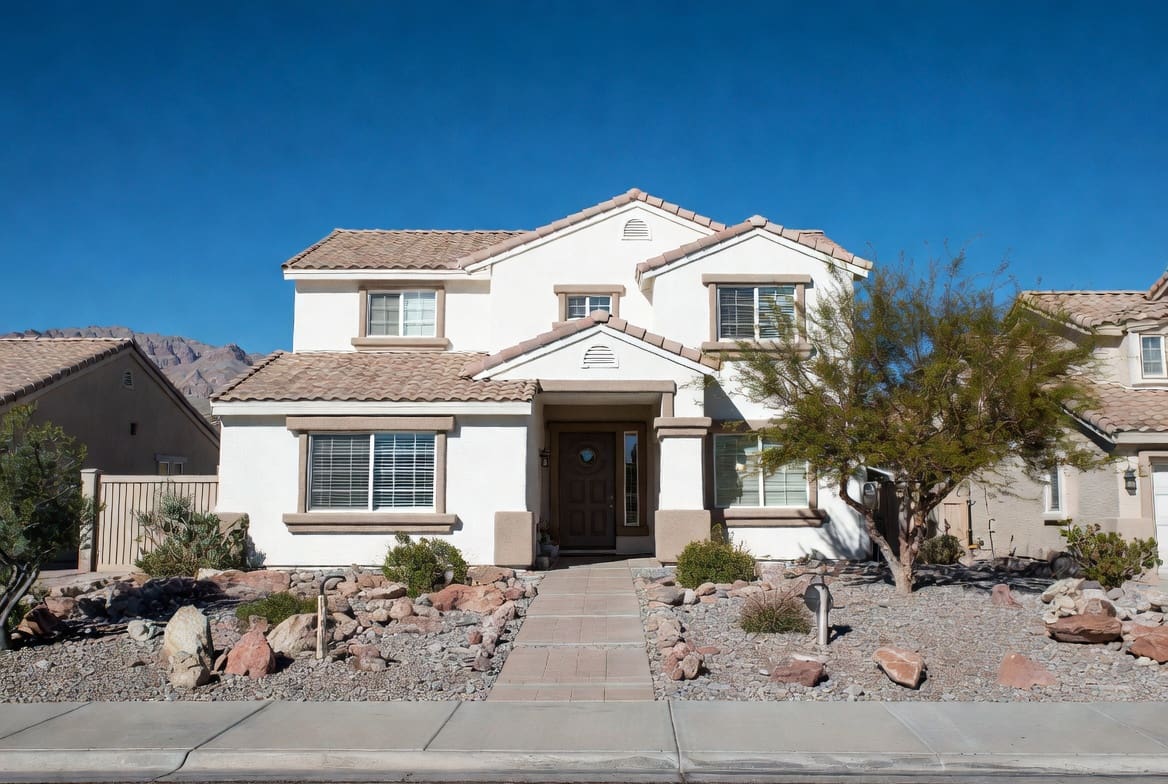
Nevada Insurance Claims: When NOT to File
Nevada insurance claims decisions deserve more thought than most homeowners give them. In a state where premiums have been climbing and carriers are tightening underwriting — particularly in areas near wildland-urban interface zones — every claim on your record affects what you pay at renewal and whether carriers want to keep you. Understanding when not to file a claim is just as important as knowing how to file one.
This guide covers the decision-making framework that applies to Nevada homeowners, drivers, and business owners. It explains why small claims can cost more than they pay, how your claims history is tracked, and what makes Nevada’s insurance environment unique when it comes to these decisions.
Desert Weather and the Claims Calls That Follow
Las Vegas, Henderson, and Reno homeowners deal with a weather pattern that catches many off guard. The valley goes months without rain, and when it finally arrives — often during monsoon season — it comes hard and fast. Flash flooding, wind damage, and debris impact are common. Then the phones start ringing.
But a windstorm that knocks a few tiles loose on your Henderson roof or sends a tree branch into your fence isn’t automatically a claim worth filing. If a licensed roofer inspects the damage and quotes $1,200, and your deductible is $1,000 or $2,500, the insurance payout is either $200 or nothing at all. Filing in that situation creates a claims record with virtually no financial benefit.
The Nevada Division of Insurance consumer guide emphasizes that homeowners insurance covers damage from specific covered perils — it’s not a maintenance contract. Small repairs that fall near your deductible are often better handled out of pocket.
Nevada’s New Wildfire Law Changes the Equation
In June 2025, the Nevada Legislature passed Assembly Bill 376, which took effect January 1, 2026. This law allows insurance companies to exclude wildfire coverage from standard homeowners policies and offer it as a separate product. While not all carriers have exercised this option, it signals how seriously insurers are treating wildfire risk in Nevada.
For homeowners in areas near the wildland-urban interface — parts of Reno, Washoe Valley, Mt. Charleston, and rural Nevada — this makes your claims profile even more critical. Carriers evaluating your property are already factoring in location-based fire risk. If they also see a pattern of claims on your record, that combination makes you a harder risk to underwrite. Keeping your claims history clean gives you better leverage when shopping or negotiating your renewal.
Auto Claims in Nevada: A High-Cost State
Nevada is one of the most expensive states in the country for auto insurance. According to industry data, the average full-coverage auto premium in Nevada runs well above the national average. In that context, a premium surcharge after an at-fault claim hits harder here than in many other states.
If you back into a bollard at a Smith’s parking lot in Summerlin and the repair is $1,800 with a $1,000 deductible, your insurance covers $800. But an at-fault collision claim can raise your premium substantially for three to five years. In Nevada, where you’re already paying more for coverage, that math can work against you quickly.
Nevada follows a fault-based system for auto accidents, which means the at-fault driver’s insurance is responsible for damages. If you’re filing a collision claim on your own policy for single-vehicle damage, that’s considered at-fault — and it will be reflected in your claims history.
CLUE Reports: What Nevada Carriers See
Your claims history in Nevada is tracked through CLUE, the Comprehensive Loss Underwriting Exchange maintained by LexisNexis. It stores up to seven years of personal lines claims data — both home and auto. When you shop for a new policy or your current carrier evaluates your renewal, they can review your CLUE report to see prior claims, what was paid, and in some cases claims that were reported but paid little or nothing.
Under Nevada regulations, the Nevada Division of Insurance oversees how carriers operate in the state. Carriers must acknowledge claims within 20 working days and handle them fairly under the state’s Unfair Insurance Practices Act. But none of that prevents your premium from going up at renewal if your claims history signals higher risk.
Pull your free annual CLUE report to see what carriers are seeing. If you find errors — a claim attributed to you that wasn’t yours, or inaccurate loss amounts — you can dispute them with LexisNexis.
Commercial Insurance and Loss Runs in Nevada
Nevada business owners face the same decision framework with higher stakes. Whether you run a restaurant on the Strip, a construction company in North Las Vegas, or a retail shop in Sparks, your commercial insurance pricing is heavily influenced by your loss run reports.
Loss runs cover three to five years of claims history and are required by carriers before they’ll quote or bind a commercial policy. Underwriters care about frequency — multiple small claims signal operational issues that make them nervous. A delivery driver who backs into a client’s wall in a minor incident creates a $1,500 payout after the deductible but puts a data point on your loss run that every future underwriter will scrutinize.
If the damage is small and the payout barely exceeds the deductible, consider handling it internally. Tighten your procedures, document the corrective steps, and keep your loss run clean for the next renewal cycle.
When Filing Is the Right Call
To be clear, there are absolutely situations where Nevada policyholders should file immediately. A structure fire. Significant water damage from a burst pipe that affects multiple rooms. A major car accident with injuries. A liability claim against your business. These are the scenarios insurance is designed for.
The decision framework isn’t about avoiding claims at all costs — it’s about being strategic. Get the estimate, know your deductible, project the premium impact over three to five years, and call your agent before you call your carrier. That conversation could save you thousands.
If you’re a Nevada homeowner, driver, or business owner looking for honest guidance, request a quote from Western Pacific Insurance or learn more about our Nevada coverage.


