
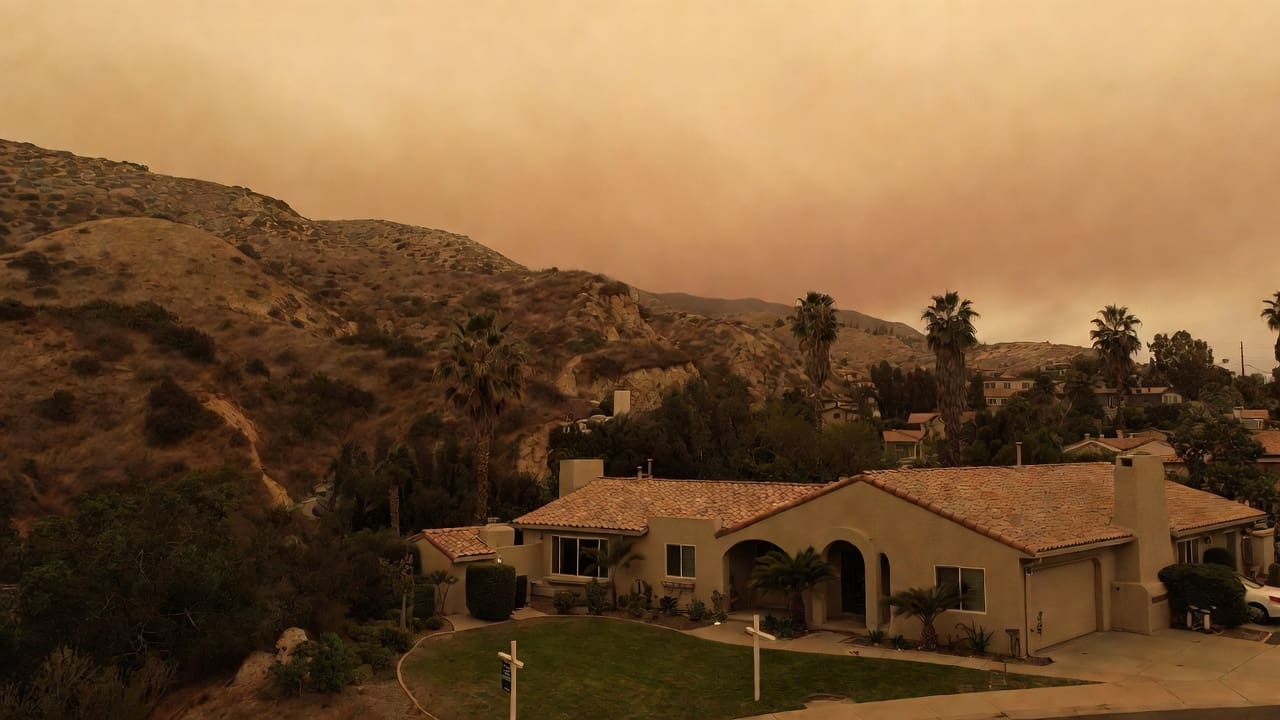
If tenants live in the property, a California homeowners policy is the wrong product. Carriers underwrite HO-3 coverage for an owner-occupied house. When a claim hits a tenant-occupied rental, the investigation can end in a denial. You need a landlord policy, often called a DP-3. California also stacks rent control, habitability rules, wildfire non-renewals, and an earthquake exclusion on top of that. This guide covers what California landlord insurance covers, what it leaves out, and the 2025-2026 rules that change your exposure.
The most common mistake still applies: keeping a homeowners policy on a property that tenants occupy. But in California, the stakes go beyond just a denied claim. Between rapidly rising premiums, carrier withdrawals from wildfire-prone areas, and a tenant protection framework that expands every legislative session, California landlords need to understand exactly what their policy covers and where the gaps sit. We cover the fundamentals of landlord insurance in our companion video:
This guide focuses specifically on what California landlords face — including AB 1482 rent control, new 2025-2026 legislation, the wildfire insurance crisis, and the earthquake exposure that most landlord policies completely exclude.
Why Your Homeowners Policy Doesn’t Work on a California Rental
A homeowners policy — the standard HO-3 — covers owner-occupied properties. The carrier underwrites it based on the assumption that you live there, you maintain it, and the people inside are your family or guests. The moment you move out and a tenant moves in, those assumptions fall apart.
We’ve seen the consequences firsthand at our agency. A policyholder told the carrier the property was owner-occupied. It wasn’t — tenants lived there. When the home suffered a major loss, the carrier investigated, confirmed tenant occupancy, and denied the claim. That was a six-figure loss with zero payout.
In California’s expensive real estate market — where even a modest single-family rental in the Inland Empire can represent a $500,000+ asset — an improperly insured property carries enormous financial risk. If you rent out a property in California, you need a landlord policy, also called a dwelling fire policy or DP-3. This type of policy specifically covers properties you own but don’t live in.
California’s Regulatory Framework and Your Insurance Exposure
No other state where we write policies creates as much liability exposure through regulation as California does. Every new law that adds a landlord obligation also adds a potential claim if you fail to comply.
AB 1482 — Statewide rent control and just-cause eviction. The Tenant Protection Act caps annual rent increases at 5% plus the local Consumer Price Index, with a 10% maximum. It also requires just-cause for evictions after 12 months of tenancy. AB 1482 currently runs through mid-2026, and the legislature continues to explore extending or tightening it. Violating the rent cap can lead to tenant lawsuits and damages. Many local jurisdictions — Los Angeles, San Francisco, Oakland, Berkeley, Santa Monica, and others — layer additional rent control ordinances on top of AB 1482 with even stricter limits. If you own rentals in a city with local rent control, your compliance obligations (and your liability exposure) multiply.
Habitability standards — now including stoves and refrigerators. Starting January 1, 2026, AB 628 requires landlords to provide and maintain working stoves and refrigerators in residential rental units. These appliances now form part of California’s statewide habitability standard. If you fail to maintain them, tenants can deduct repair or replacement costs from rent. This joins an already extensive list of habitability requirements: plumbing, heating, electrical, weatherproofing, working smoke and carbon monoxide detectors, and adequate trash receptacles. Every habitability failure creates potential liability. Your landlord policy’s liability coverage handles third-party claims — but only if the policy exists and the property is properly classified as a rental.
Security deposit photographic documentation (AB 2801). Starting in 2025, California landlords must photograph the unit at three points: at the start of tenancy, at move-out before cleaning or repairs, and after cleaning or repairs. You must share those photos with the departing tenant. Failure to comply can void your right to deduct from the deposit. California caps security deposits at one month’s rent for unfurnished units (reduced from two months under AB 12, effective July 2024). With a one-month cap on deposits and strict photographic requirements, your margin for recovering tenant-caused damage through the deposit is thin. Comprehensive documentation supports both your deposit deductions and any insurance claim you file for damage beyond normal wear and tear.
Eviction timelines — slower than other states. California’s eviction process runs significantly slower than Nevada, Arizona, or Utah. Tenants now have 10 days (up from 5) to respond to an unlawful detainer complaint. Local jurisdictions can add further delays. Just-cause requirements under AB 1482 mean you can’t simply non-renew a tenant without qualifying grounds. During any eviction process, the property remains at risk for damage — and the longer the process takes, the more exposure you carry.
Disaster-specific tenant protections (SB 610). Effective in 2026, if a rental unit falls under a mandatory evacuation order due to a natural disaster, tenants do not owe rent for the evacuation period, and you must refund any prepaid rent. After the disaster, you must hire licensed remediation contractors to remove debris and address hazards like smoke, ash, and mold. Tenants don’t owe rent until remediation finishes. You don’t have to rebuild a unit that’s fully or partially destroyed — but you can’t collect rent while it’s uninhabitable. Your landlord policy’s loss of rental income coverage becomes critical here, and the distinction between covered perils (fire, wind) and excluded perils (flood, earthquake) determines whether that coverage kicks in.
California’s Insurance Crisis — What Landlords Need to Understand
California’s property insurance market sits in a state of crisis that directly affects landlords. Understanding it helps you make better coverage decisions.
Carrier withdrawals. Since 2022, seven of the twelve largest insurance companies in California have limited new policies in the state. Between 2019 and 2024, more than 100,000 Californians lost their home insurance. State Farm alone dropped coverage for roughly 72,000 homes in 2024. One in five homes in the most extreme fire risk areas lost coverage since 2019. These withdrawals affect landlord policies too — if your carrier non-renews your landlord policy, finding replacement coverage at a comparable rate has gotten significantly harder.
The FAIR Plan as insurer of last resort. California’s FAIR Plan provides basic fire insurance when the private market won’t write coverage. The FAIR Plan grew from 210,000 policies in 2020 to over 463,000 in 2024, with total exposure exceeding $450 billion. FAIR Plan coverage works, but it offers limited protection — primarily fire — and lacks the broader liability, loss of income, and personal property coverages that a full landlord policy provides. If you end up on the FAIR Plan, you’ll likely need to supplement it with a separate liability policy (sometimes called a “difference in conditions” or DIC policy) to get full landlord protection.
Commissioner Lara’s Sustainable Insurance Strategy. California Insurance Commissioner Ricardo Lara finalized a plan requiring insurers that use Department-reviewed wildfire catastrophe models to write and maintain coverage in wildfire-prone areas. Mercury Insurance, Allstate, and CSAA have already announced plans to expand. The FAIR Plan also received authorization to access state-backed bonds and lines of credit for claim payouts. These reforms aim to stabilize the market, but it will take time. For now, California landlords — especially those with properties in wildfire-exposed areas — need to plan for higher premiums, limited carrier options, and potentially supplementing FAIR Plan coverage with additional policies.
California Climate Risks That Affect Your Landlord Policy
Wildfire. The January 2025 Los Angeles wildfires burned more than 50,000 acres, destroyed over 16,000 structures, and caused projected insured losses of $35-45 billion. California has experienced eight of the top ten most costly U.S. wildfire events since 2017. If your rental property sits in a CalFire-designated “high” or “very high” fire hazard severity zone, your insurance options narrow significantly and your premiums reflect that risk. Standard landlord policies cover fire, but carriers may non-renew in high-risk zones, forcing you onto the FAIR Plan.
Earthquake. California sits on some of the most active fault systems in the country — the San Andreas, Hayward, and dozens of others. Standard landlord policies exclude earthquake damage entirely. The California Earthquake Authority (CEA) provides earthquake coverage, but deductibles run high (typically 5-25% of dwelling coverage) and the coverage is expensive. Many California landlords skip earthquake coverage because of the cost. That’s a calculated risk — but if you own a rental in a seismically active zone and a major quake hits, you face total loss with no insurance payout.
Mudslide and debris flow after wildfire. When wildfire strips hillsides of vegetation, the next rainstorm can trigger mudslides and debris flows into properties downhill. This happened catastrophically in Montecito in 2018 and remains a risk anywhere near recent burn scars across Southern California. Standard policies may cover mudslide differently from flood — check your specific policy language. If your rental sits downhill from a recent burn area, a separate flood policy provides important protection.
Coastal risks. Properties along the California coast face wind, storm surge, and erosion risks that increase insurance costs. Coastal rental properties in areas like Malibu, Ventura County, and parts of San Diego carry premium surcharges and may face carrier restrictions similar to wildfire zones.
What a California Landlord Policy Covers
Dwelling coverage protects the structure against covered perils — fire, wind, lightning, vandalism, and others. In California, fire leads the claims list, followed by water damage and theft/vandalism.
Liability coverage protects you when a tenant or visitor gets injured on your property and a court holds you liable. Given California’s extensive habitability requirements, strict repair obligations, and tenant-friendly court system, carrying robust liability limits matters more here than in any other state where we write policies.
Loss of rental income reimburses you for lost rent when a covered event makes the property uninhabitable during repairs. Under SB 610, California landlords can’t collect rent during disaster remediation periods. If the event qualifies as a covered peril under your policy, loss of rental income coverage bridges that gap. In a state where monthly rents range from $2,000 to $4,000+ in metro areas, this coverage can represent tens of thousands of dollars.
Landlord personal property covers items you own at the rental for tenant use — appliances (including the now-mandatory stoves and refrigerators), landscaping equipment, maintenance tools. It does not cover the tenant’s belongings.
What It Doesn’t Cover
Tenant belongings fall outside your landlord policy. California does not require tenants to carry renters insurance, though landlords can and should require it in every lease. List yourself as an additional interest so you receive notice if the tenant drops coverage.
Intentional tenant damage varies by carrier. California’s slower eviction process means properties sit at risk for longer during disputes. Ask your agent how your carrier handles intentional damage before you need to file.
Flood damage requires a separate policy. Mudslide and debris flow following wildfire, coastal storm surge, and atmospheric river events all create flood exposure that your standard landlord policy excludes.
Earthquake damage requires a separate policy through the CEA or a private earthquake insurer. With deductibles running 5-25% of dwelling coverage, the out-of-pocket cost in a major event remains significant even with coverage — but it’s far better than total loss.
Vacancy gaps. If your rental sits empty for 30 to 60 days between tenants, your landlord policy may restrict or exclude certain coverages. In California’s competitive rental market, vacancy gaps tend to be shorter in metro areas but can extend in rural or fire-affected regions where tenants are harder to attract.
The Entity and Umbrella Connection in California
California investors frequently hold rental properties in LLCs, though California’s $800 annual LLC franchise tax makes this more expensive than in other states. If you hold your property in an LLC, the named insured on your landlord policy must match the legal owner. If the LLC owns the property but the policy lists your personal name, that mismatch can lead to a denied claim.
Your umbrella policy also needs to align. A personal umbrella may not extend to cover claims against an LLC-held rental. In California’s litigious environment — where tenant lawsuits over habitability, security deposits, and wrongful eviction occur frequently — making sure your umbrella actually covers your rental exposure deserves careful attention.
We covered entity structures and insurance in detail in our entities and insurance video.
Cost of Landlord Insurance in California
Landlord insurance in California typically runs 15-25% more than a homeowners policy on the same property — but that spread can widen significantly depending on wildfire zone, earthquake exposure, and coastal proximity. California’s insurance costs have risen sharply, and the FAIR Plan has proposed an average rate increase of more than 35% beginning spring 2026.
Costs vary dramatically by location. A landlord policy on a rental in the Inland Empire might cost $2,500-$3,000 per year. The same coverage on a comparable property in a wildfire-prone area of Los Angeles County or Ventura County could cost two to three times that — if a carrier writes it at all. If you end up on the FAIR Plan with supplemental DIC coverage, budget accordingly.
The bottom line: California landlord insurance costs more than in our other states, but the asset values and rental income at stake are also higher. Skipping proper coverage here carries the most risk of any market we serve.
How Western Pacific Insurance Can Help
If you own rental property in California and you’re not sure whether your current policy accounts for tenant occupancy, California’s regulatory requirements, or the state’s evolving insurance landscape, we can help. At Western Pacific Insurance, we work with California landlords across the state. We’ll review your landlord policy, help you navigate wildfire zone coverage challenges, evaluate whether you need supplemental earthquake or flood policies, and make sure your entity structure and umbrella actually protect your California rental investment.
Request a quote here or call us at 702-932-3105 to get started. You can also visit our California insurance page to learn more about the coverages we offer across the state.
Frequently Asked Questions About California Landlord Insurance
Can I use my homeowners policy on a rental property in California?
No. A standard homeowners policy covers owner-occupied properties. If tenants live there and you file a claim, the carrier can investigate, confirm tenant occupancy, and deny the claim. You need a landlord policy (DP-3) for any property you rent out.
Does a California landlord policy cover earthquake damage?
No. Standard landlord policies exclude earthquake damage entirely. You need a separate earthquake policy through the California Earthquake Authority or a private earthquake insurer. Deductibles typically run 5-25% of dwelling coverage.
What happens to my rent if a wildfire forces my tenants to evacuate?
Under SB 610 (effective 2026), tenants do not owe rent during a mandatory evacuation period, and you must refund any prepaid rent. Your landlord policy’s loss of rental income coverage can bridge that gap if fire is a covered peril on your policy.
Do I need flood insurance for my California rental property?
Your standard landlord policy does not cover flood damage. If your rental sits in a flood zone, near the coast, or downhill from a recent wildfire burn scar, a separate flood policy provides important protection against mudslide, debris flow, storm surge, and atmospheric river events.
What if my carrier non-renews my landlord policy because of wildfire risk?
California’s FAIR Plan provides basic fire insurance as an insurer of last resort. However, the FAIR Plan covers fire only and lacks liability, loss of income, and personal property coverage. You will likely need to supplement it with a separate liability or difference-in-conditions policy to get full landlord protection.


