
What Is Insurance Telematics?
Insurance telematics uses technology to track your driving behavior and share that data with your car insurance company. Instead of pricing your policy based only on your age, zip code, credit score, and claims history, your insurer can factor in how you actually drive. For many drivers, that shift means real savings on their auto insurance premium.
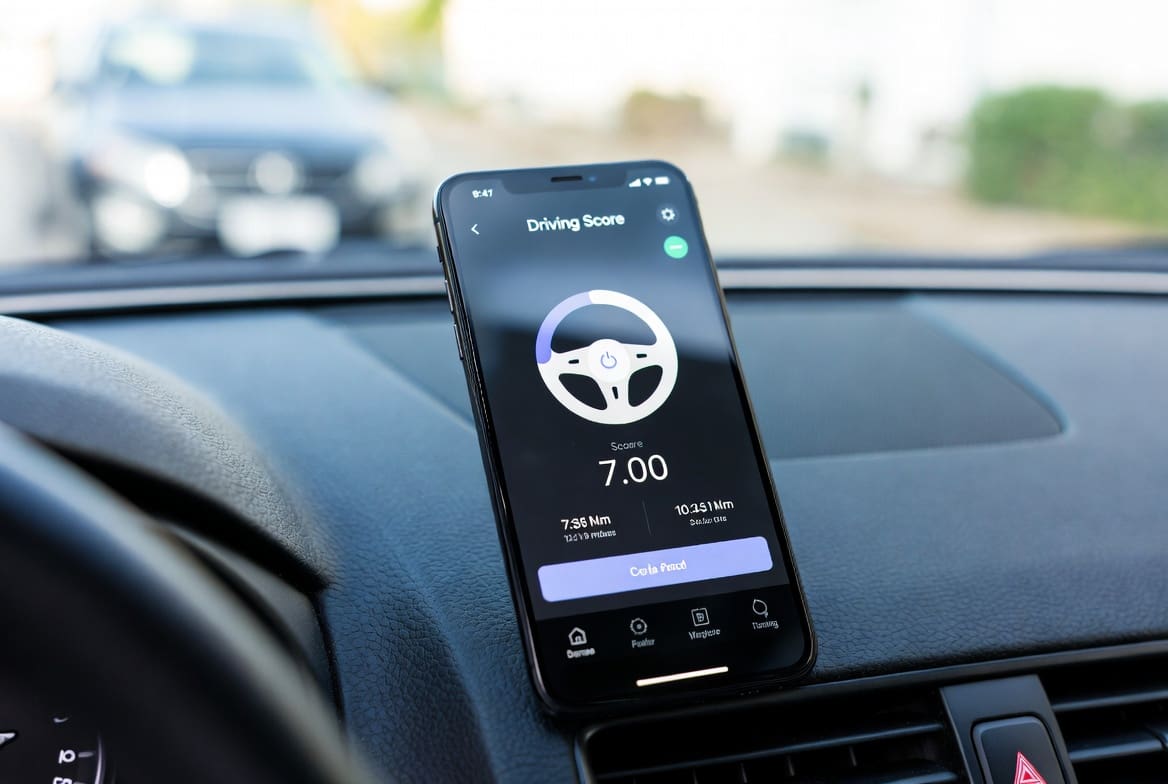
The technology usually works through a small plug-in device that connects to your car’s diagnostic port or a smartphone app that uses your phone’s built-in sensors. Your insurance company collects the data over a set period – typically 90 days to a full policy term – and then adjusts your rate based on the results.
What Do Telematics Programs Track?
Most telematics programs measure five core driving behaviors. Hard braking is one of the biggest factors. If you’re slamming on the brakes frequently, the program flags it. Rapid acceleration matters too – aggressive starts from stoplights or stop signs show up in your data. Mileage plays a major role because less time on the road means less risk exposure. Time of day is another factor, with late-night driving between roughly midnight and 5 AM carrying more weight since accident rates are higher during those hours. Some programs also track indicators of distracted driving, including phone use while the vehicle is moving.
These programs generally focus more on how you drive than where you go. However, some do collect location-related data, trip logs, or GPS-tagged driving events depending on the carrier and app you use.
Two Types of Telematics Programs
Not all telematics programs work the same way, and the difference matters when you’re deciding whether to enroll.
Some programs are discount-only. You sign up, drive during the evaluation period, and the worst outcome is that you don’t earn much of a discount. Your rate won’t go up. Safeco’s RightTrack is a good example. Safe drivers can earn meaningful savings – in some cases up to around 30 percent. The details can vary by state and program version, so it’s worth confirming how your carrier handles renewals before you enroll.
Other programs can raise your rate if your driving data shows riskier habits. Progressive’s Snapshot is the most well-known example. Most drivers who enroll save money, but some participants do see their premium increase at renewal.
The first question worth asking is whether the program only rewards good driving or whether it can also penalize you. That single answer changes the entire risk-reward calculation.
Who Benefits Most from Telematics?
Low-mileage drivers tend to see the biggest savings. If you work from home, you’re retired, or you simply don’t drive much, mileage alone can earn you a solid discount. Steady commuters who avoid aggressive braking and acceleration also do well. Younger drivers can benefit more than expected because telematics lets them prove they’re safer than their age group’s statistics suggest.
Multi-car households where everyone drives conservatively can see savings across multiple vehicles. And anyone who’s curious about their own driving habits can get value from the real-time feedback these apps provide. Many people find that the awareness alone makes them a safer driver over time.
When Telematics Might Not Be Worth It
Telematics isn’t the right fit for every driver. If you drive a performance vehicle and enjoy its acceleration, a telematics program may work against you even though you’re driving safely. If you regularly drive late at night for work – nurses, shift workers, rideshare drivers – the algorithm may penalize your schedule rather than your actual driving skill.
Heavy stop-and-go traffic can also generate hard braking events that have nothing to do with aggressive driving and everything to do with the car in front of you. And if privacy is a genuine concern, that’s a completely valid reason to pass. You’re trading driving data for a potential discount, and not everyone thinks that trade is worth it.
The Privacy Side of Telematics
Privacy is the most common reason drivers hesitate to enroll. These programs collect real data about your driving, including GPS coordinates of events, phone usage indicators, and trip logs. Most carriers say the data is used for pricing, underwriting, and program operation, but the exact rules vary by carrier, state, and app permissions.
Before you enroll, read the terms. Understand what’s being collected, how long it’s stored, and who has access to it. If your carrier’s program uses a smartphone app, check what permissions it’s requesting. You have every right to ask questions before you opt in, and you should never feel like it’s something you’re forced to do.
Talk to Your Agent Before You Enroll
The best way to figure out whether telematics makes sense for your situation is to have an honest conversation with your insurance agent. Ask whether your carrier’s program is discount-only or whether it can raise your rate. Be straightforward about your driving habits, your schedule, and your comfort level with data sharing. If it’s a discount-only program, the downside is basically zero for most drivers. If it can raise your rate, weigh that risk against the potential savings and make an informed choice.
At Western Pacific Insurance, we walk every client through this decision. We write auto insurance in Nevada, Arizona, Utah, and California and work with carriers that offer a range of telematics programs. Get a quote or reach out and we’ll help you figure out whether telematics is the right move for you.


