
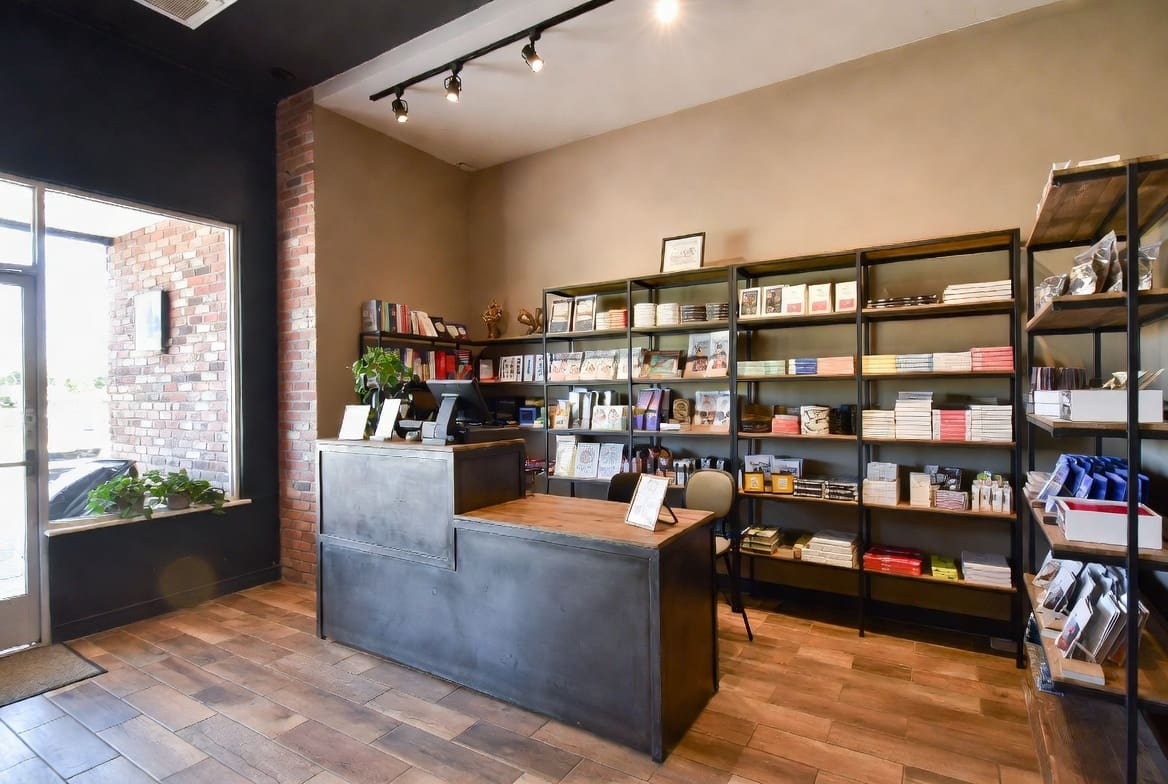
A customer walks into your shop on a Tuesday afternoon, slips on a freshly mopped floor, and breaks her wrist. A few months later, a demand letter shows up at your door asking for two hundred thousand dollars. You did nothing wrong in the ordinary sense. The floor got mopped. The wet-floor sign was out. None of that matters in the moment. What matters is whether you have general liability insurance, what it covers, and whether your limits are high enough to make this someone else’s problem instead of yours.
General liability insurance, often called GL or CGL, is the foundation of almost every small business insurance program. It responds when someone outside your business claims your business hurt them, damaged their property, or harmed their reputation. For most small businesses, it is the single most important coverage you can carry.
What General Liability Insurance Actually Covers
A standard general liability policy is built around four coverage parts. Each one handles a different category of claim.
Premises liability is the slip-and-fall scenario. A customer gets hurt on your property and GL responds. The policy pays for their medical bills, their lost wages, and any legal defense or settlement up to your policy limits.
Products and completed operations responds when a product you sold or work you completed causes harm after the customer leaves. A retailer sells a space heater, the heater fails six weeks later, and there is a fire. That claim falls under this part of GL.
Personal and advertising injury covers certain reputational and advertising-related claims. This includes libel, slander, and copyright infringement in your advertising. If a competitor says your ad defamed them, personal and advertising injury responds.
Medical payments is a small, no-fault coverage that pays a customer’s immediate medical bills without requiring a lawsuit. Limits are typically five or ten thousand dollars. Medical payments is designed to resolve small incidents before they become large ones.
The Biggest Hidden Value: Defense Costs
Most business owners focus on settlement dollars when they think about insurance. The real value of a general liability policy often shows up somewhere else: in the defense.
When a lawsuit gets filed against your business, someone has to pay the attorneys. A business-litigation attorney in most markets costs three to five hundred dollars an hour. A serious case can generate a hundred thousand dollars in legal fees before anyone settles or goes to trial. On most standard GL policies, defense costs are paid in addition to the limits, so legal fees do not erode the money available to settle the actual claim.
The carrier usually picks the defense attorney, and that is a feature, not a bug. Carriers have relationships with firms that handle these cases every day and know the local courts. You get experienced counsel at no cost to you.
What General Liability Does Not Cover
GL is not a catch-all. Several major categories of business claims fall outside the policy, and business owners get burned when they assume otherwise.
GL does not cover damage to your own property. That is commercial property insurance. GL does not cover employee injuries – that is workers’ compensation. GL does not cover professional mistakes – advice or services that harm a client. That is professional liability or errors and omissions. And GL does not cover auto – business vehicle accidents fall under commercial auto.
A quick way to keep it straight: customer slips in your shop – GL. Fire damages your own inventory – property. Employee hurt unloading stock – workers’ comp. Company truck rear-ends someone – commercial auto. Bad advice costs a client money – professional liability.
How Much General Liability Coverage You Need
GL limits are written as two numbers. The per-occurrence limit is the most the policy pays on any single claim. The aggregate limit is the most the policy pays for all claims combined in a policy year.
For small businesses with low revenue and limited foot traffic, one million per occurrence and two million aggregate is a common starting point. It handles a serious slip-and-fall or a modest products claim, and it is what most landlords and vendors require on a certificate of insurance.
As a business grows – more employees, more foot traffic, higher-value contracts – the one million/two million setup may stop being enough. Some carriers offer two million per occurrence and four million aggregate as a primary limit. Others do not. If your current carrier caps out at one million/two million, you have two options. You can move to a carrier that writes higher primary limits, or you can keep your base GL where it is and add a commercial umbrella on top.
Where GL Fits in a Business Insurance Program
Most small businesses do not buy general liability as a standalone policy. They buy a business owners policy, or BOP, which bundles GL with commercial property, business income, and sometimes other coverages into one policy. For a brick-and-mortar business that owns or rents space, a BOP is usually the right structure.
The GL inside a BOP is the same general liability we have been discussing. Same coverage parts, same limits structure, typically the same defense treatment. The difference is the package.
Get a Business Insurance Review
If you own a business and you are not sure what your general liability limits are – or whether you have the right coverage parts, or whether a BOP or standalone policy makes sense, or whether you need umbrella protection – the fix is to get your current policy reviewed by someone who understands how it actually works.
Western Pacific Insurance helps businesses in Nevada, Arizona, Utah, and California with commercial insurance. Get a quote and see what is available.


