
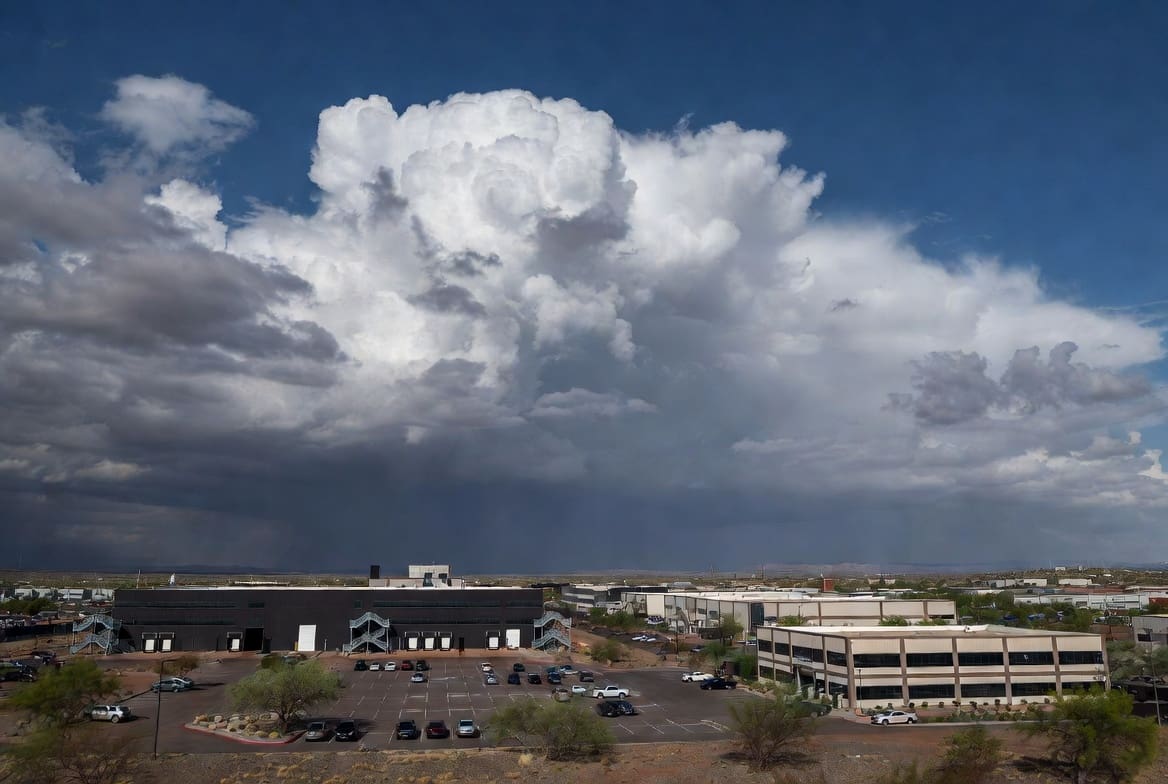
Phoenix runs one of the busiest commercial property markets in the country, and somebody manages every square foot of it. Industrial boxes run from the West Valley to Queen Creek. Office and medical line the Camelback corridor, and retail anchors every master planned community. Most of it belongs to owners and institutions based elsewhere, so property managers carry the day to day. That means two insurance programs per manager: the owner’s coverage on each building, and the firm’s own policies. Phoenix adds its own weather and its own pace to both.
Two Programs, One Manager
On the owner’s side, the manager stewards the commercial property policy, liability coverage, loss of rents, and the tenant insurance file. On the firm’s side, the baseline is general liability plus professional liability, with fidelity, cyber, workers compensation, and auto built around them. Our full commercial property management insurance guide walks through both programs and the management agreement clause that connects them. Specialist markets like Hiscox build the manager’s program on that liability pair, and E&O is what sophisticated Valley owners check first.
Monsoon Season Is a Property Management Event
From mid June through September, microbursts, dust storms, and sudden downpours test every roof in the Valley. Water intrusion after a monsoon cell is the signature Phoenix commercial claim, and it punishes deferred maintenance hardest. Walk roofs and clear drainage before the season, then document the walk with photos. That file defends both the owner’s claim and your E&O position. After a storm, report losses fast and mitigate immediately. Late notice and slow tarping lose more Phoenix claims than the wind does.
Heat, Equipment, and the Coverage Gap
Cooling season here runs equipment to failure, and mechanical breakdown of HVAC, chillers, and elevators falls outside standard property forms. Confirm equipment breakdown coverage on every owner program you administer. Base forms also exclude flood, as Nationwide’s commercial property overview notes. That matters more than newcomers expect in a metro where monsoon water moves across parking lots in sheets. The flood decision belongs to the owner, made deliberately and documented, with the manager making sure the question got asked.
Vacancy and Paper Discipline
Phoenix absorbs space fast, but buildings still sit empty between tenant moves. Around 60 days of that can trigger the vacancy conditions in the owner’s policy. Report occupancy changes the week they happen and ask about vacancy permits for buildings in transition. On tenant and vendor paperwork, collect endorsements rather than certificates. The endorsement grants the additional insured status. The certificate just photographs it, once.
One more Valley note on the firm’s side. Managers moving owner funds across a large portfolio should size fidelity coverage to the money in motion today. Trust account limits set years ago rarely match this market’s rent rolls.
Get Both Programs Shopped
Western Pacific Insurance writes across Arizona as an independent agency. We quote the management firm’s own stack and the owners’ building programs against multiple carriers in the same conversation. Start at our Arizona insurance page. Start your quote and get both sides of your insurance life into one place before the next monsoon season starts.


