
What California Mortgage Lenders Need to Know About Homeowners Insurance
If you’re closing loans in California, homeowners insurance has become one of the biggest friction points in your pipeline. The carrier exodus, rising premiums, wildfire zone restrictions, and shrinking availability have turned insurance from a late-stage checkbox into an early-stage risk to your closing timeline. California mortgage lender homeowners insurance issues are unlike anything in the rest of the country right now. We break it down in our companion video.
The Carrier Exodus Is Affecting Closings
Multiple major carriers have pulled back from California. State Farm dropped over 72,000 policies. Allstate, Farmers, and others have restricted new business. The FAIR Plan — California’s insurer of last resort — has grown to over 463,000 policies.
For loan officers, this means insurance is no longer something the borrower handles in the background. In some ZIP codes, finding a carrier willing to write a new homeowners policy takes time — sometimes weeks. If the borrower ends up on the FAIR Plan, that policy may only provide dwelling fire coverage. The borrower may need a separate Difference in Conditions (DIC) policy for liability and other perils. That’s two policies, two premiums, and two sets of documents that need to be right at closing.
Build insurance into the timeline at the start of the file, not the end. In California, waiting until the last two weeks to address insurance can kill the deal.
Wildfire Zones and Insurability
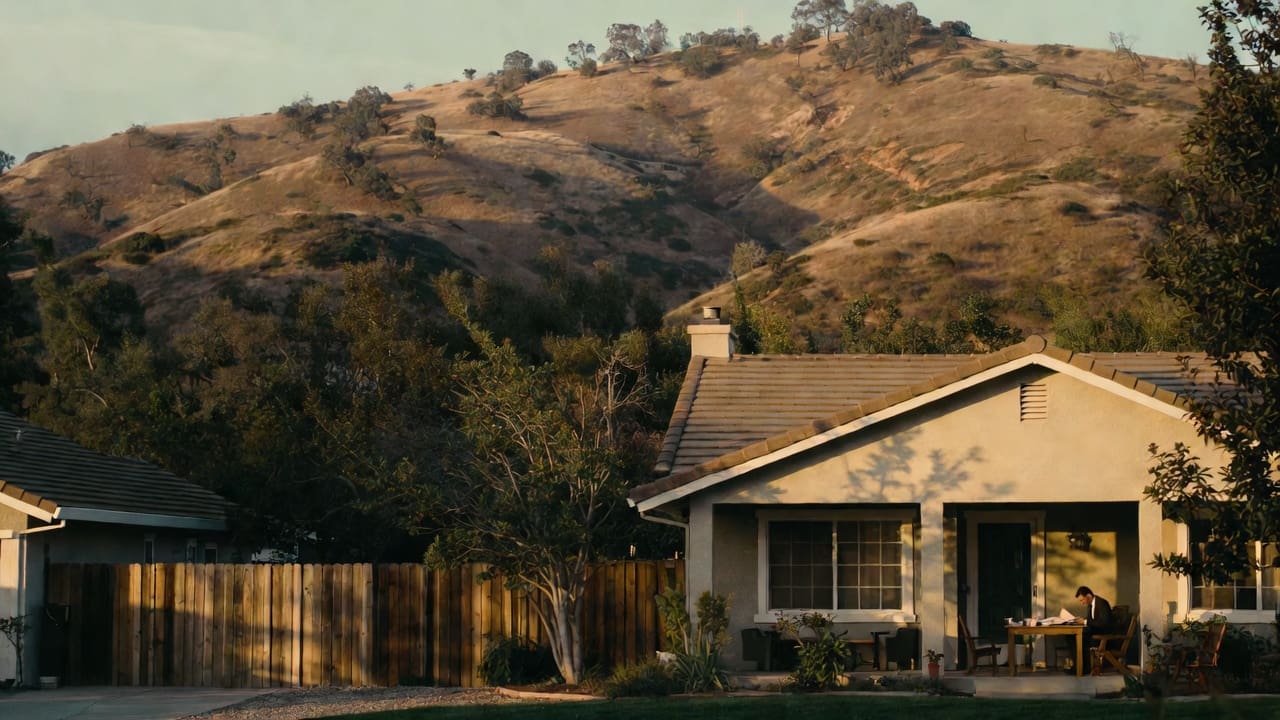
Properties in California’s wildland-urban interface face the tightest insurance market in the state. From the hills above Los Angeles to the foothills east of Sacramento to Lake Tahoe communities, finding coverage in fire-prone ZIP codes is a challenge.
If your borrower is buying in a wildfire area, flag insurance on day one. The agent may need to approach multiple carriers, specialty markets, or the FAIR Plan. Some carriers won’t quote until they’ve assessed defensible space, brush clearance, and proximity to fire stations. That takes time your closing timeline may not have if you start late.
California’s Higher Insurance Costs
California homeowners insurance premiums have risen sharply. The borrower’s insurance cost may be significantly higher than what they budgeted. That affects DTI calculations, escrow amounts, and potentially the borrower’s ability to qualify.
Discuss insurance costs with the borrower early. If the premium comes in higher than expected, the borrower needs to know before the final loan documents are drawn — not after.
Replacement Cost in California
California has some of the highest rebuild costs in the country. Labor shortages, material costs, and updated building code requirements push replacement cost estimates higher — especially in areas that have experienced recent wildfire damage.
At the same time, land values in coastal and urban California can be enormous. A home selling for $1.5 million in the Bay Area with a rebuild cost of $600,000 isn’t underinsured. The land is doing most of the heavy lifting on the sale price. Make sure you’re comparing the dwelling limit to rebuild cost, not the contract price.
Flood Zones in California
California has more FEMA-designated flood zones than most loan officers expect — particularly in the Central Valley, parts of Sacramento, and coastal areas. Run the determination early. Flood insurance adds cost and time, and the borrower needs to factor it into their budget.
The Split Premium Problem
California’s high home prices and tight DTI ratios create pressure to reduce closing costs. If someone suggests splitting a premium to show a lower number at closing, that’s a misrepresentation and compliance problem. In California’s regulatory environment — where the Department of Insurance is already watching the market closely — that’s a risk no loan officer should take.
What California Loan Officers Should Expect
The California insurance market requires an agent who knows which carriers are still writing, which ZIP codes are restricted, and how to structure coverage when standard options aren’t available. If the borrower’s current agent can’t deliver on time or can’t navigate the current market, you can request a competing quote with the borrower’s consent.
Expect a fully underwritten quote, a clean evidence of insurance, and responsive communication. In California’s market, those aren’t luxuries. They’re requirements.
Work With Us
If you’re a mortgage professional closing deals in California, just send over your client and property info to service@wpinsure.com. If you’d like us to reach out to your client directly, just let us know. In most cases, we’ll turn around a fully underwritten, bindable quote in half a business day.
We know the California insurance market — including which carriers are still writing and how to structure coverage in wildfire zones and restricted areas. Learn more about our California insurance services, or check out our Google reviews to see what our clients say.


