
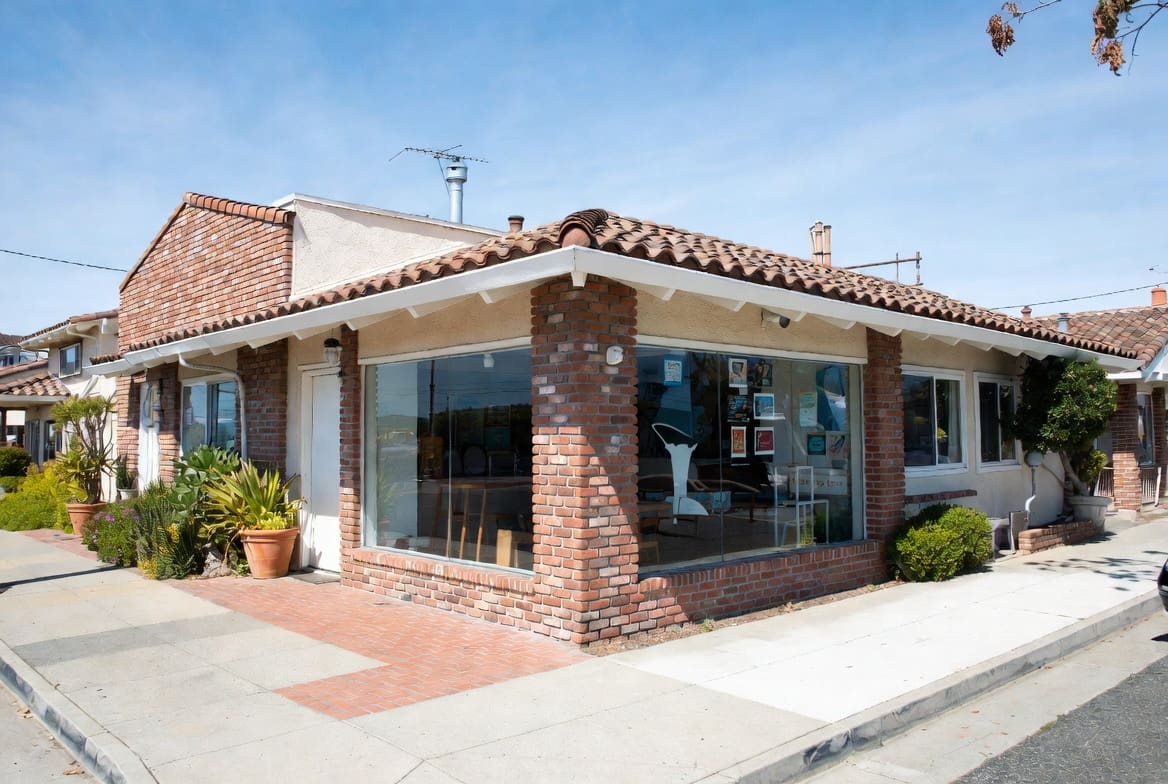
California does not require general liability by statute for most businesses. You still cannot really operate without it. Commercial landlords in Los Angeles, San Diego, San Francisco, and Sacramento want a certificate on the lease. Clients write it into the contract. Vendors and some licensing boards require it too. Below we cover what a California GL policy pays, how it fits a BOP, and the exposures that push claims higher in this state.
California does not require general liability by statute for most businesses, but the practical reality is that you cannot really operate without it. Commercial landlords in Los Angeles, San Diego, San Francisco, and Sacramento require proof of coverage on the lease. Clients require it in master service agreements. Vendors require it. Licensing boards require it for certain trades.
What General Liability Insurance Does for California Businesses
General liability is built to respond when a third party – someone who is not your employee – claims your business caused them bodily injury, property damage, or reputational harm. The classic example is the slip-and-fall. A customer visits your storefront, gets hurt, and files a claim. Your GL policy pays for their medical bills, their legal costs if they sue, and any settlement or judgment up to your policy limits.
But GL goes further than that. It covers property damage to third-party property. It covers personal and advertising injury, which includes things like libel, slander, and copyright infringement in your marketing. It covers products and completed operations, which is what responds when something you sold or completed later causes harm.
California’s Commercial Insurance Market
California operates under Proposition 103, which subjects most insurance rate changes to regulatory review. The California Department of Insurance publishes a commercial insurance guide that walks through the structure of business policies and explains how general liability fits into a broader commercial program. It is worth a read if you want to understand the regulatory context for your coverage.
California’s BOP market is active and mature. For most small to midsize brick-and-mortar businesses – hardware stores in Oakland, boutiques in Santa Monica, accountant offices in San Jose – a Business Owners Policy that bundles GL with commercial property is usually the most cost-effective structure. A standalone GL policy is more common for larger or more complex operations.
California Exposures That Elevate GL Claims
Some California-specific factors raise the stakes on general liability. California is a litigious state with active plaintiff’s bar activity. A slip-and-fall that might settle for a modest amount in other markets can reach high six figures in California, especially in the Bay Area and Southern California.
Wildfire risk has also affected commercial property markets in California, which indirectly affects how carriers price and write commercial packages. Business owners in wildland-urban interface areas may find their BOP premiums reflect the broader commercial property market conditions. General liability itself is not a wildfire-driven line, but GL and property are often packaged together, so the market matters.
California Contract Requirements
If you serve larger California clients – enterprise accounts, government contracts, or vendor agreements with major retailers – you will often see contract language requiring specific GL limits and endorsements. Common requirements include one million per occurrence minimum, with some contracts requiring two million per occurrence or higher, plus additional insured and waiver of subrogation language. Government contracts sometimes require the government entity named as an additional insured.
These requirements change your insurance buying decision. If a contract requires two million per occurrence and your current carrier only writes to one million, you either move carriers or layer on a commercial umbrella. Either path works, but the decision depends on what the carrier offers and what the contract requires.
Reviewing Your California GL Coverage
A good review looks at limits, coverage parts, endorsements, and claims history. It checks contract requirements against what the policy actually provides. It evaluates whether a BOP or standalone structure makes more sense for the business. And it compares what your current carrier offers against what else is available in the California market.
Western Pacific Insurance handles commercial insurance for California businesses. We compare carriers, evaluate your exposure, and help you get the right policy for the business you are running today. Get a quote or learn more about our California coverage.


