
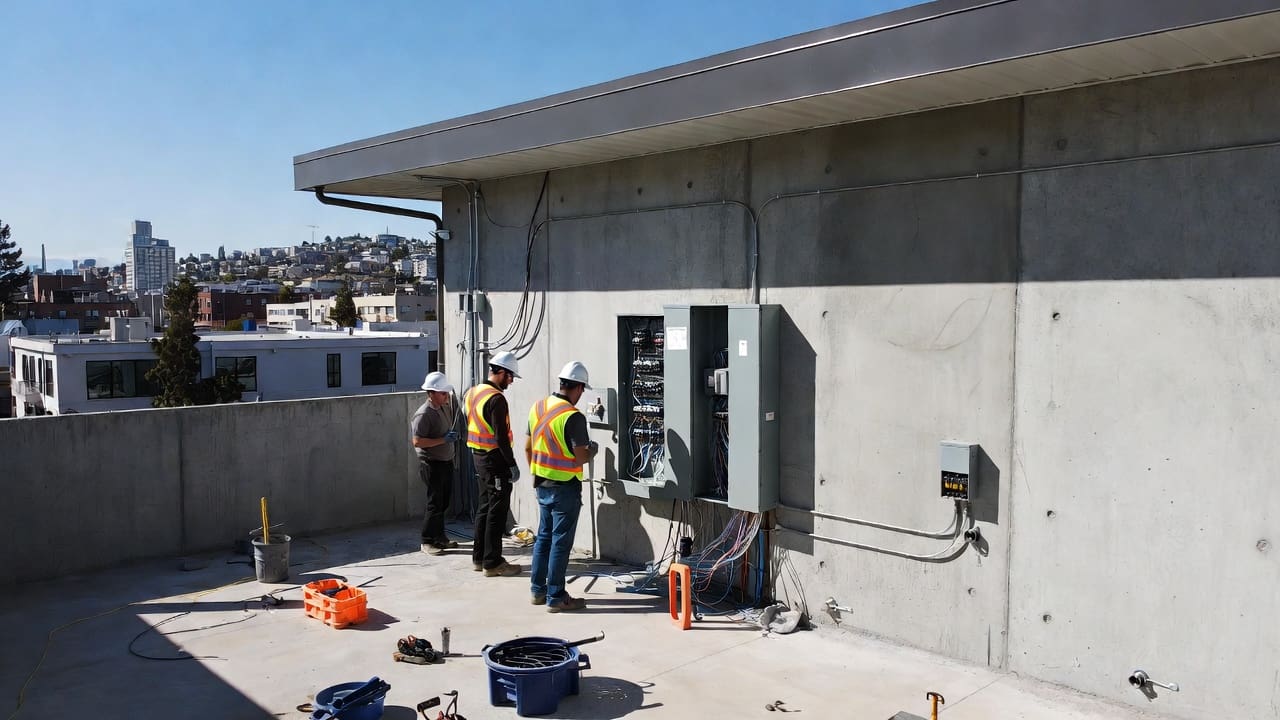
Insurance for Electrical Contractors in California — The Toughest Market With the Highest Stakes
California is the largest construction market in the country. It’s also the most expensive state to insure a contracting business. California electrical contractor insurance is complicated — the highest workers comp rates, the strictest licensing requirements, and a market where carriers are pulling back across the board. If you’re running an electrical contracting business here, your program needs to be airtight. We explain the key coverages in our companion video.
California’s Workers Comp Landscape
California has some of the highest workers compensation rates in the nation for electrical classification codes. The combination of elevated base rates, California’s regulatory environment, and the state’s litigation-friendly workers comp system makes this the single largest insurance expense for most mid-size electrical contractors in the state.
Your experience modification rate is critical here. Because base rates are already high, a mod rate above 1.0 multiplies an already expensive premium. Managing your mod rate through safety programs, proper claims reporting, and correct classification isn’t just good practice in California — it’s survival.
California also requires workers comp coverage with no exceptions for employers. There’s no opt-out. If you have employees, you carry it.
Completed Operations and California’s Legal Environment
California’s construction defect litigation environment makes completed operations coverage especially important for electrical contractors. The state allows construction defect claims under both negligence and strict liability theories. That means a wiring issue that causes damage years after completion can generate a claim with significant legal costs — even before the merits are determined.
Make sure your products-completed operations limits match your per-occurrence limits. Review your policy for endorsements or exclusions that could restrict coverage on past work. In California’s legal climate, completed operations isn’t a secondary concern. It’s a primary one.
The Wildfire Rebuild Market
California’s wildfire seasons have created enormous demand for electrical contractors in rebuild zones. The January 2025 Los Angeles fires alone destroyed over 16,000 structures. Electrical contractors working in fire-damaged areas face unique exposures — hazardous site conditions, accelerated timelines, code upgrade requirements, and high-value rebuild projects where the stakes on any defect are elevated.
Builders risk and installation floater coverage are essential on rebuild projects. Don’t assume the GC’s policy covers your installation exposure. Verify it before you start work — especially in wildfire zones where project values are high and regulatory scrutiny is intense.
California’s Insurance Market Challenges
California’s broader insurance market is under stress. Multiple carriers have pulled back from the state. For contractors, this means fewer options, higher premiums, and longer lead times to place coverage. Electrical contractors in California may need to work with surplus lines carriers or specialized contractor programs to get the right coverage.
An independent agent who understands the California contractor market — and who has access to multiple carriers — is essential. The days of calling one carrier and getting a competitive quote are over in California.
Commercial Auto in California Traffic
If your electrical contracting business runs a fleet in the LA metro, Bay Area, San Diego, or Sacramento, your commercial auto exposure is among the highest in the country. California traffic density, highway speeds, and distracted driving create constant risk for service vehicles.
California also has one of the highest uninsured driver rates in the nation. If an uninsured driver hits one of your trucks and injures a crew member, your own coverage needs to fill the gap. Make sure your UM/UIM limits are adequate.
Tools and Equipment
Job site theft in California’s urban construction zones is a persistent problem. An inland marine policy covers your tools, equipment, and staged materials wherever they are. Commercial property insurance alone doesn’t protect assets off your premises.
Umbrella and Contract Requirements
California’s commercial GCs have some of the strictest sub requirements in the country. Umbrella coverage, additional insured status, waiver of subrogation, primary and noncontributory wording — all standard on commercial subcontracts. Data center projects, entertainment industry builds, tech campus construction, and government work all carry elevated insurance requirements.
Make sure your umbrella sits over your GL, auto, and employers liability without gaps. If you can’t satisfy the contract requirements, you’re not getting on the project.
Licensing and Compliance
California’s Contractors State License Board (CSLB) requires electrical contractors to hold a C-10 license. The licensing process includes proof of insurance. But CSLB minimums and the coverage you actually need are very different things. The state minimum gets you licensed. It doesn’t protect your business.
We Can Help
If you run an electrical contracting business in California, get a quote or give us a call. We know the California contractor insurance market — including which carriers are still actively writing and how to structure coverage in a tightening market. Learn more about our California insurance services, or check out our Google reviews.
For more on commercial coverage, watch our videos on contractor insurance, workers comp, and umbrella policies.


