
Boat and Watercraft Insurance: What First-Time Boat Owners Need to Know
You just bought a boat. Maybe it is a 21-foot bowrider. Maybe it is a pontoon or a ski boat. You are towing it home, and somewhere along the way a thought lands: you should probably call your insurance agent. Most people assume that boat will ride along on the homeowners policy or the auto policy. It will not. Boat insurance in your state is a separate conversation, and the gap between what you think you have and what you actually have can run into serious money.
What your homeowners policy actually covers
Most HO-3 homeowners policies do include some watercraft coverage. The catch is that the coverage is built for canoes, kayaks, paddleboards, and small fishing boats with a trolling motor. Physical damage is usually capped around $1,000 to $1,500. Liability coverage typically applies only to boats with outboards under 25 horsepower, inboards or inboard-outboards under 50 horsepower, or sailboats under a certain length, often 26 feet.
A real recreational powerboat falls outside those thresholds. The auto policy is even less help. Auto liability follows the boat trailer while you tow, but the boat itself, the motor, and anything that happens on the water are not on the auto policy. Exact thresholds vary by carrier and policy form, so the best move is to ask your agent specifically what your current coverage does and does not include. The Insurance Information Institute has a clear overview of how typical boat policies work and where homeowners coverage falls short.
What a real watercraft policy looks like
A standalone boat policy is built for the situations a homeowners policy was never designed to handle. The main pieces of coverage look like this:
Hull coverage. Physical damage to the boat itself. Collision, fire, theft, vandalism, sinking. You choose between agreed value and actual cash value. Agreed value sets the payout in advance. Actual cash value subtracts depreciation at the time of loss. For a newer boat, agreed value is often worth a serious look.
Liability coverage. The part that protects your assets if you injure someone or damage another boat. This is the most under-bought coverage on a boat policy, and it matters more than any other line item.
Medical payments. Smaller no-fault coverage that pays medical bills for people injured on your boat, usually $1,000 to $10,000. Good for the small stuff.
Uninsured boater coverage. Some boat policies offer this. It pays for your injuries if someone hits you on the water and has no coverage of their own. Uninsured boaters are common because most states do not require boat liability the way they require auto liability.
Towing and assistance. On-the-water towing if your motor dies. Sea Tow and BoatUS are the two main networks. Often worth adding.
Personal effects. Coverage for the stuff on the boat that is not the boat. Fishing rods, tubes, electronics, coolers.
Liability limits are the whole game
Picture a tubing accident. A guest is hurt, medical bills run into the tens of thousands, and the health insurer later pursues recovery from the person responsible for the injury. That person is the boat operator. You.
If you bought a boat policy with $100,000 of liability, the carrier pays $100,000 and you are on the hook for the rest. If you bought $500,000 of liability and you also have a personal umbrella policy that sits over the top, the math changes. A lot. The premium to move up from low limits to higher ones is usually less than people expect, and a personal umbrella sits over your boat, your auto, and your home together.
Do not buy a boat policy at minimum liability limits. The boat is the cheap part of the equation. The injury someone has on it is the expensive part.
Fuel spill liability
If your boat sinks or your fuel line fails at the dock and gasoline ends up in the water, you are responsible for the cleanup. Federal and state law generally assign cleanup costs to the vessel owner. A meaningful spill can run into the tens of thousands of dollars in containment, testing, and response costs. Many boat policies include some fuel spill or pollution coverage automatically, but limits vary widely. Ask your agent what the limit is and whether it needs to go up.
Towing on the road, storage, and off-season
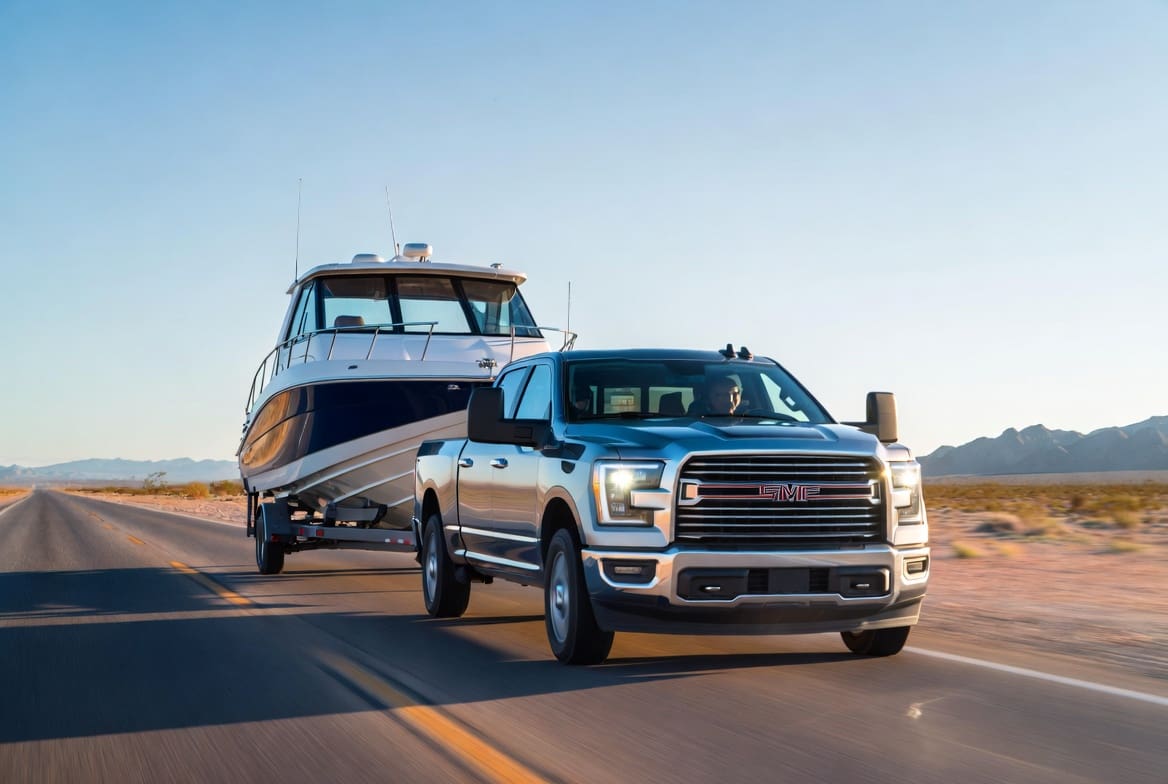
Hull coverage on a boat policy typically follows the boat in transit. Confirm that with your agent. Storage is where most boat claims happen. Theft, fire, and vandalism in a garage or a marina slip account for a significant share of losses. Some carriers offer a lay-up discount during the months the boat is parked. In Nevada, Arizona, Utah, and California, the lay-up season is shorter than it is in colder regions, but the discount is still worth asking about.
Where Western Pacific Insurance fits
We write boat and watercraft coverage alongside home, auto, and umbrella policies in Nevada, Arizona, Utah, and California. If you have questions about what your current policy actually covers, or you are about to buy a boat and want to walk through your options before you put it in the water, the quote links for each state are here:
You can also visit your state-specific page directly: Nevada, Arizona, Utah, California.


