
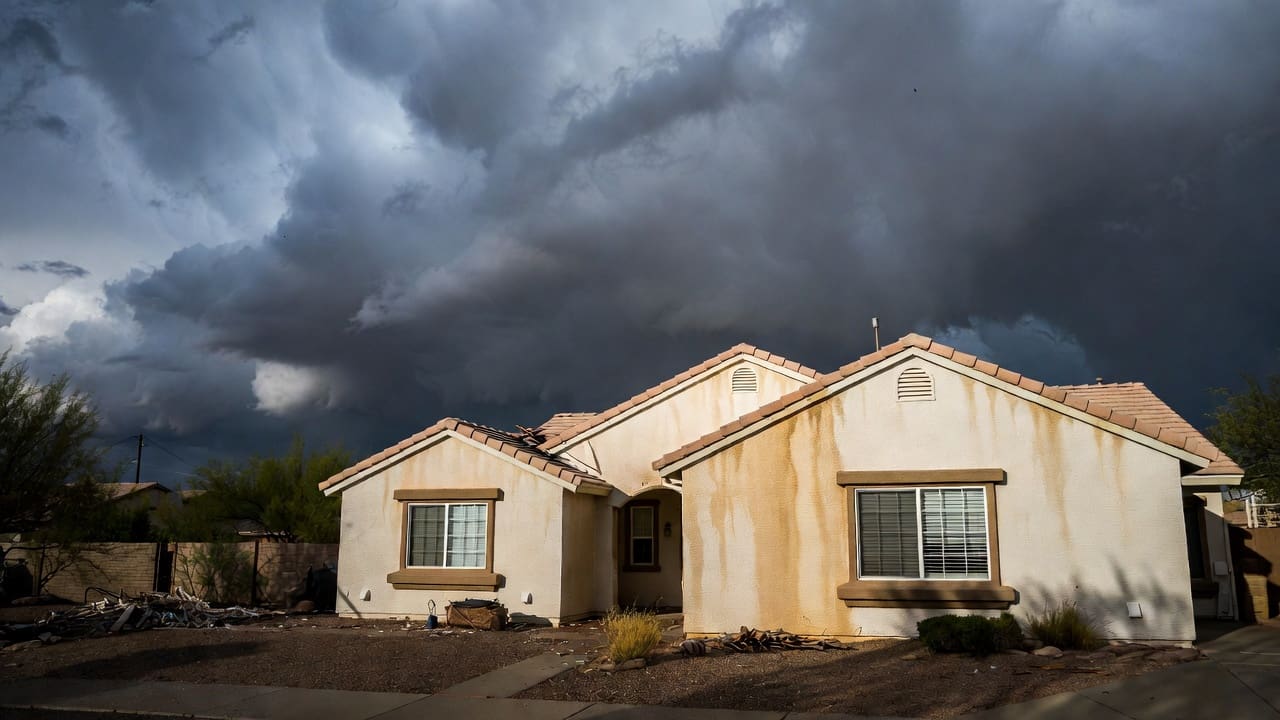
How to Talk to an Insurance Adjuster in Arizona — Monsoons, Timelines, and Your Rights
Arizona homeowners face a unique set of risks that most people don’t think about until they’re filing a claim. Monsoon season, haboobs, extreme heat, and hail can all damage your property in ways that put you face-to-face with an insurance adjuster. And what you say during that conversation matters more than you think. We cover the core adjuster strategy in our companion video, but this guide focuses on Arizona-specific rules, risks, and rights.
Arizona’s Claims Timeline — Faster Than Most States
Arizona has some of the tighter claims deadlines in the country. Here’s what your insurer must do under Arizona Revised Statutes § 20-461 and Administrative Code R20-6-801.
Your carrier must acknowledge your claim within 10 working days. During that same period, they must provide claim forms, instructions, and reasonable assistance. They must complete their investigation within 30 days of receiving notice. After you submit a properly executed proof of loss, the carrier has 15 working days to accept or deny your claim. Payment on approved claims must follow within 30 days of receiving acceptable proof of loss. If payment is late, interest accrues at the legal rate.
That’s a total of roughly 55 working days. Arizona moves faster than Nevada and California. If your carrier misses these deadlines, that’s a potential unfair claims practice.
Arizona Risks That Drive Claims
Monsoon season runs June 15 through September 30 across the state. Phoenix, Scottsdale, Mesa, Tucson, and Flagstaff all get hit. Monsoons bring sudden downpours, flash flooding, microbursts with wind gusts over 70 mph, and lightning strikes. A single monsoon event can damage roofs, blow out windows, flood garages, and topple trees.
The language trap is real here. If you tell the adjuster your home “flooded,” you may trigger the flood exclusion on your homeowners policy. Describe what actually happened: “Storm water came in under the garage door” or “Runoff from the wash overwhelmed the drainage.” Let the adjuster determine causation.
Haboobs — massive dust storms that sweep through the Phoenix metro — sandblast exterior surfaces. They pit windshields, damage stucco, clog HVAC systems, and strip paint off cars and fences. Haboob damage can be hard to prove because it accumulates gradually. Document damage immediately after each event. Timestamped photos are critical.
Hail is a major issue in the Phoenix metro and Maricopa County. Hail cracks roof tiles, dents metal roofing, damages solar panels, and destroys outdoor equipment. After a hail event, have a roofer do an inspection and provide a written report before the adjuster visits.
Extreme heat damages more than you’d expect. At 110°F and above, concrete cracks, garage door mechanisms fail, HVAC units burn out, and roof materials degrade. If heat causes a secondary failure — like an HVAC breakdown that leads to burst pipes — that chain of events matters for your claim.
Pool liability. Arizona has one of the highest rates of residential pools in the country. Pool equipment failures, deck cracks, and water damage to adjacent structures are common claims. Document pool area damage carefully and separately from the rest of the property.
Before the Adjuster Arrives
Document every piece of damage with photos and video. After monsoon events in Arizona, conditions change fast — water recedes, mud dries, debris gets cleared. Capture evidence immediately.
Build an inventory of damaged items with purchase dates, costs, and replacement values. Pull receipts if available.
Make temporary repairs. Tarp the roof. Cover broken windows. Protect exposed interiors from further monsoon damage. Keep all receipts. Don’t make permanent repairs before the adjuster inspects.
Read your policy. Know your dwelling limit, personal property limit, deductible, and exclusions. Arizona policies often have separate wind/hail deductibles. Check yours.
Get at least one written estimate from a licensed Arizona contractor. Local contractors understand monsoon damage patterns and current material costs in the Phoenix and Tucson markets.
During the Inspection
Be present. In Arizona, exterior damage from monsoons and hail can cover the entire property. Walk the full perimeter with the adjuster. Check the roof, stucco walls, fencing, pool area, landscaping, and any outbuildings.
Get the adjuster’s full name, phone, email, and claim number.
After major monsoon events, carriers bring in independent adjusters from out of state to handle the volume. These adjusters may not know Arizona’s construction methods, tile roof systems, or stucco repair costs. Your contractor estimate becomes even more important as a benchmark.
Be honest. Stick to facts. Don’t speculate about what caused the damage. If you don’t know, say that.
Before they leave, walk through what they documented. Confirm nothing was missed.
Arizona Language Traps
“It flooded” is the most dangerous phrase in Arizona claims. Monsoon water enters homes in dozens of ways. Describe the entry point, not the result.
“The roof has been leaking for a while” converts a sudden loss to a maintenance issue. Sudden is covered. Gradual is not.
“The stucco was already cracking” implies pre-existing damage. Even if it’s true, don’t volunteer it. Answer direct questions honestly, but don’t offer information that hurts your claim.
When the Estimate Comes in Low
Arizona construction costs have climbed steadily. Labor and materials for tile roof repairs, stucco work, and HVAC replacement often exceed what adjuster estimating software calculates. If your contractor’s written estimate is higher, submit it and ask for a carrier review.
Compare the estimates line by line. Is the gap in scope, pricing, or methodology? If the adjuster missed damage your roofer found, request a reinspection.
If you have replacement cost coverage, the carrier may pay actual cash value first. The remaining amount gets released after repairs are complete and receipts are submitted.
Escalation in Arizona
Your agent. An independent agent can review the adjuster’s report and advocate for you. Start here.
A public adjuster. For significant claims, a public adjuster builds their own estimate and negotiates with the carrier. They charge 10 to 15 percent. Make sure the math justifies the cost.
The Arizona Department of Insurance and Financial Institutions (DIFI). File a complaint online or call (602) 364-3100. DIFI investigates unfair claim practices, delays, and lowball settlements. A formal complaint puts the carrier on notice.
An attorney. Last resort. Arizona recognizes bad faith claims against insurers. If the carrier isn’t following policy terms or is unreasonably delaying your claim, legal action is an option.
We Can Help
If you’re an Arizona homeowner, landlord, or business owner and you need help with a claim or want to make sure your coverage is right before something happens, get a quote or give us a call. Learn more about our Arizona insurance services.
Check out our Google reviews to see what our clients say. And for more on what your policy covers, watch our videos on landlord insurance and umbrella policies.


