
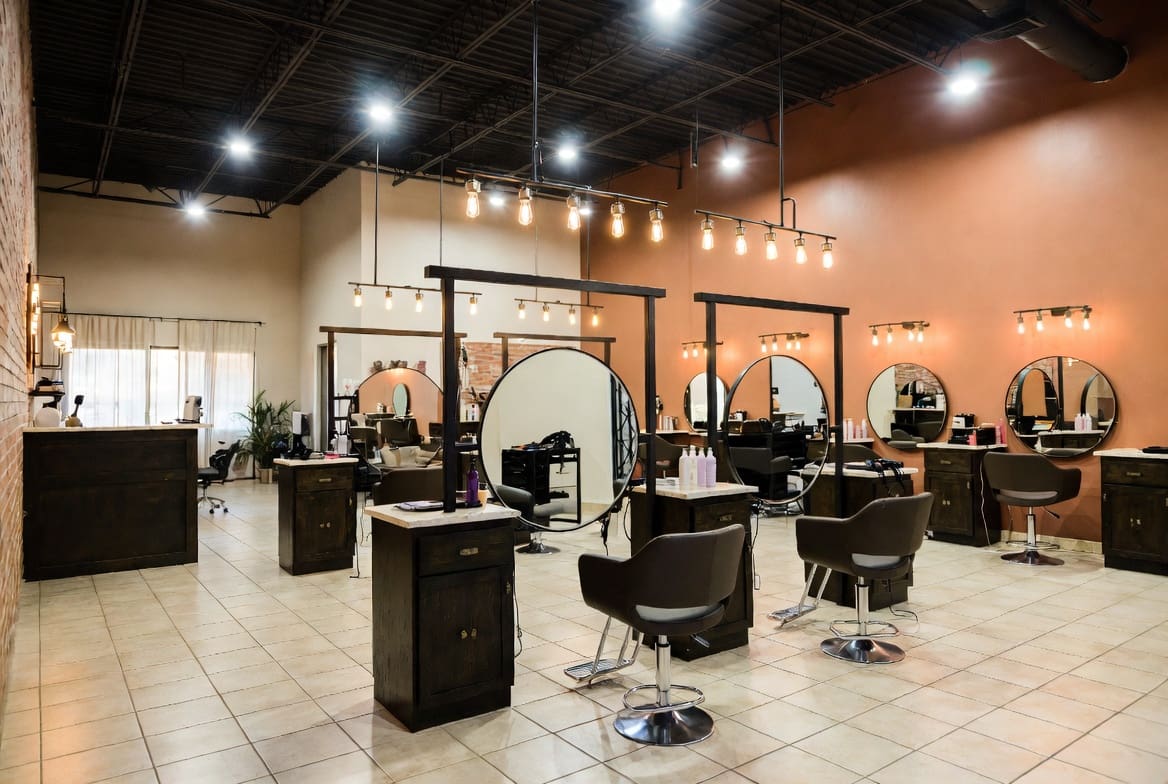
Arizona hair salon insurance starts with understanding the risks that come with running a salon in this state. The Arizona Barbering and Cosmetology Board requires establishment licenses and individual professional licenses. Beyond licensing, salon owners in Phoenix, Scottsdale, Tucson, and Mesa need coverage that matches the way they actually operate.
Why General Liability Alone Falls Short
A standard general liability policy handles premises claims. A client trips over a cord, a wet floor causes a fall, or a stylist damages someone’s personal property. These are real risks in any salon. But the claims that hit hardest are service claims. A color treatment causes chemical burns. Keratin products can trigger respiratory reactions. Wax applications sometimes leave clients with skin damage. These are professional liability exposures.
Professional liability coverage is what responds to service claims. It is sometimes called errors and omissions insurance. Without it, a single service claim could come directly out of your business accounts. Arizona salon owners should confirm their policy includes this coverage.
Building the Right Policy for an Arizona Salon
A business owners policy is the most common starting point. It combines general liability with commercial property coverage, protecting your styling chairs, mirrors, wash stations, dryers, and retail inventory. If your salon is damaged by a monsoon, a fire, or a break-in, the property piece covers the cost of replacement.
Business income coverage is typically included as well. If storm damage forces you to close for two weeks, business income helps replace lost revenue. Tenant improvements matter too. A salon buildout in a Scottsdale shopping center or a downtown Phoenix storefront can cost tens of thousands. Make sure those improvements are accounted for on the policy.
Workers Comp and Chemical Exposure
Arizona requires workers compensation for most businesses with employees. Salons carry specific risks that make this coverage essential. OSHA has found that certain hair smoothing products can release formaldehyde above federal safety limits, even when labeled “formaldehyde free.” Stylists who develop respiratory symptoms or chemical burns from product exposure are filing workers comp claims. Repetitive motion injuries from years of cutting and styling are common too.
Do not assume that booth renters or part-time workers are automatically outside the workers comp conversation. Whether someone is an employee or an independent contractor depends on how the relationship is structured, and Arizona law looks at the actual working arrangement.
Booth Renters Need Their Own Coverage
Many Arizona salons operate with booth renters, especially in suite-based salon models that have expanded across the Phoenix metro. A booth renter is an independent professional who rents space from you. When the arrangement is structured correctly, they are running their own business inside your salon.
Your policy covers your business. It does not extend to the booth renter’s services. If a booth renter’s client files a claim, the client’s attorney may still name you in the lawsuit. Require every booth renter to carry their own general and professional liability coverage, provide a certificate of insurance, and name you as an additional insured where the policy allows.
Cyber, Product Liability, and Umbrella
Salons that use online booking platforms, store client information, or process digital payments should ask about cyber liability coverage. A data breach can expose names, phone numbers, appointment history, and account credentials.
If your salon sells retail products, confirm that product liability is part of the business description your carrier underwrote. A client who buys a product from your shelf, takes it home, and has a reaction is making a product liability claim – different from a service claim.
A commercial umbrella adds limits on top of your underlying policies, but it does not automatically cover every type of claim. If professional liability is not scheduled under the umbrella, service claims may not be covered by the extra layer.
OSHA’s guide on hair salon safety outlines the formaldehyde and hazard communication standards that apply when salons use products containing or releasing formaldehyde during treatments.
Western Pacific Insurance works with salon owners across Arizona to build coverage programs that match the way salons actually operate. Get a quote for your Arizona salon or learn more about our Arizona coverage.


