
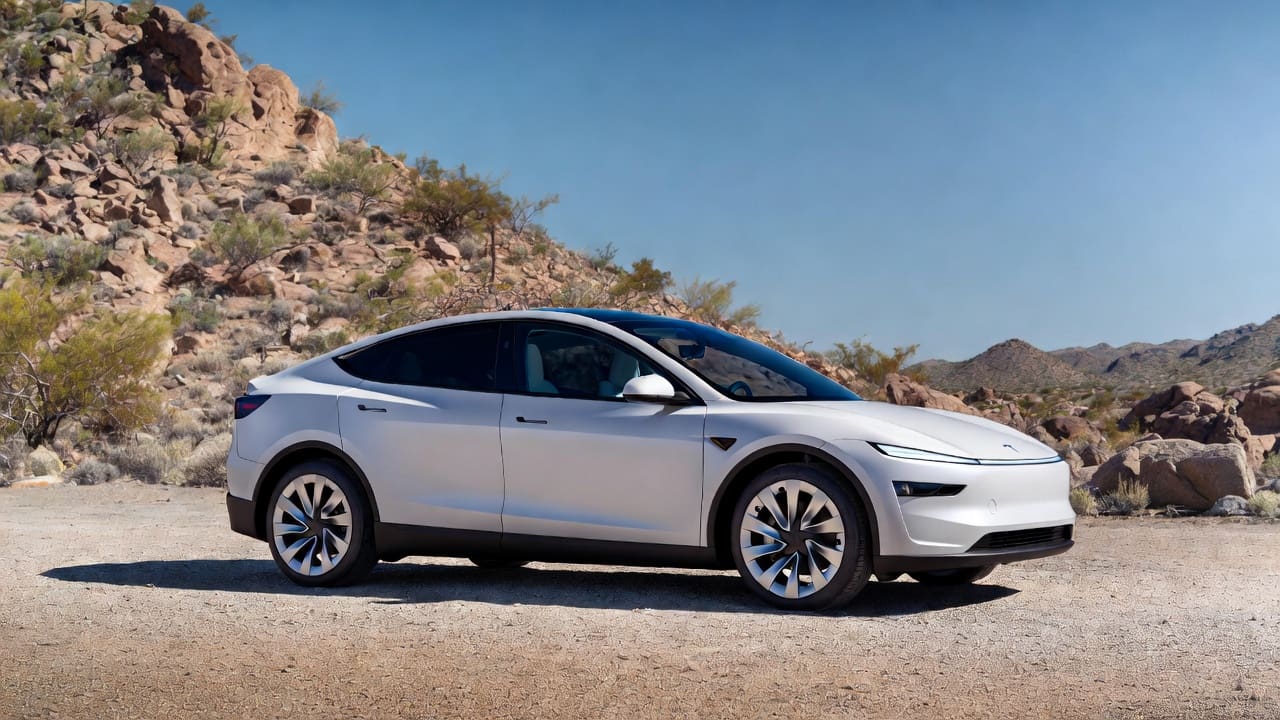
EV vs Hybrid vs Gas Insurance in Arizona — Which Costs More?
If you’re comparing EVs, hybrids, and gas vehicles in Arizona, insurance is one of the costs that can surprise you. Arizona’s insurance market, extreme heat, and growing EV adoption all affect what you’ll pay. Understanding EV vs hybrid vs gas insurance in Arizona helps you make a smarter buying decision. We cover the full breakdown in our companion video.
Arizona’s EV Market Is Growing Fast
The Phoenix metro is one of the fastest-growing EV markets in the Southwest. Tesla’s Supercharger network is well-established along I-10 and I-17. The Chevy Equinox EV, Hyundai Ioniq 5, and Ford Mustang Mach-E are gaining traction alongside Tesla’s dominant Model Y and Model 3. Arizona has no EV-specific registration surcharge, keeping ownership costs lower than states like Utah that charge additional annual fees.
Heat and Battery Insurance Risk
Arizona’s sustained heat — 110 degrees and above for weeks during summer — is hard on EV batteries. Lithium-ion batteries degrade faster under chronic high temperatures. That accelerated degradation affects battery capacity, range, and resale value. From an insurance perspective, it also increases the likelihood that a damaged battery will push a repair estimate past the total loss threshold. A battery that’s already heat-stressed has less margin before a carrier decides the car isn’t worth fixing.
Hybrids handle Arizona heat better because their batteries are smaller, less central to the drivetrain, and less expensive to replace. Gas vehicles are unaffected by this dynamic entirely.
The Insurance Gap in Arizona
Arizona’s base auto insurance costs are lower than Nevada’s but still above the national average in many metro areas. The EV premium gap applies here just as it does nationally. EV insurance runs meaningfully higher than gas vehicle insurance, driven by repair cost, specialized labor, and battery exposure. The gap varies by model. A Ford F-150 Lightning costs only about 4 percent more to insure than a gas F-150. A Tesla Model Y can carry a significantly larger premium difference.
Mainstream hybrids like the Toyota RAV4 Hybrid or Honda CR-V Hybrid are often very close to their gas counterparts on insurance in Arizona. The hybrid sweet spot — lower fuel costs without the EV insurance premium — is especially attractive here. Heat-related battery risk adds to the EV equation in a way it doesn’t for hybrids.
Tesla Insurance in Arizona
Tesla Insurance is available in Arizona and uses real-time telematics through a safety score to set rates. Drivers with clean driving habits can pay less than they would with a traditional carrier. If you own a Tesla in Arizona, it’s worth comparing Tesla Insurance against quotes from independent carriers to see where you land.
Monsoon Season and Claims
Arizona’s monsoon season — June 15 through September 30 — brings flash flooding, dust storms, and sudden hail events. These affect all vehicle types. But EV owners face additional risk. Water exposure to battery components can complicate claims and push repair costs higher. Comprehensive coverage is critical during monsoon season regardless of powertrain.
What Arizona Drivers Should Do
Get insurance quotes before you commit to a vehicle purchase. Factor the premium difference into your total cost of ownership. If you own an EV and your rate feels high, shop it — carriers price EVs very differently. And if you’re torn between an EV and a hybrid, run the insurance math. In Arizona, the hybrid often wins on total cost of ownership.
Get a Quote
If you want to compare rates across powertrains in Arizona, get a quote or give us a call. We serve drivers across the Phoenix metro, Tucson, and throughout Arizona. Learn more about our Arizona insurance services.


