
Insurance for Electrical Contractors in Arizona — Monsoons, Extreme Heat, and Coverage Gaps
Arizona’s construction market is one of the most active in the country. Phoenix, Scottsdale, Mesa, Tucson, and the East Valley are adding residential, commercial, and industrial projects constantly. Electrical contractors are fully booked. But Arizona’s extreme conditions mean getting Arizona electrical contractor insurance right requires more attention than in milder climates. We break it down in our companion video.
Extreme Heat and Worker Safety
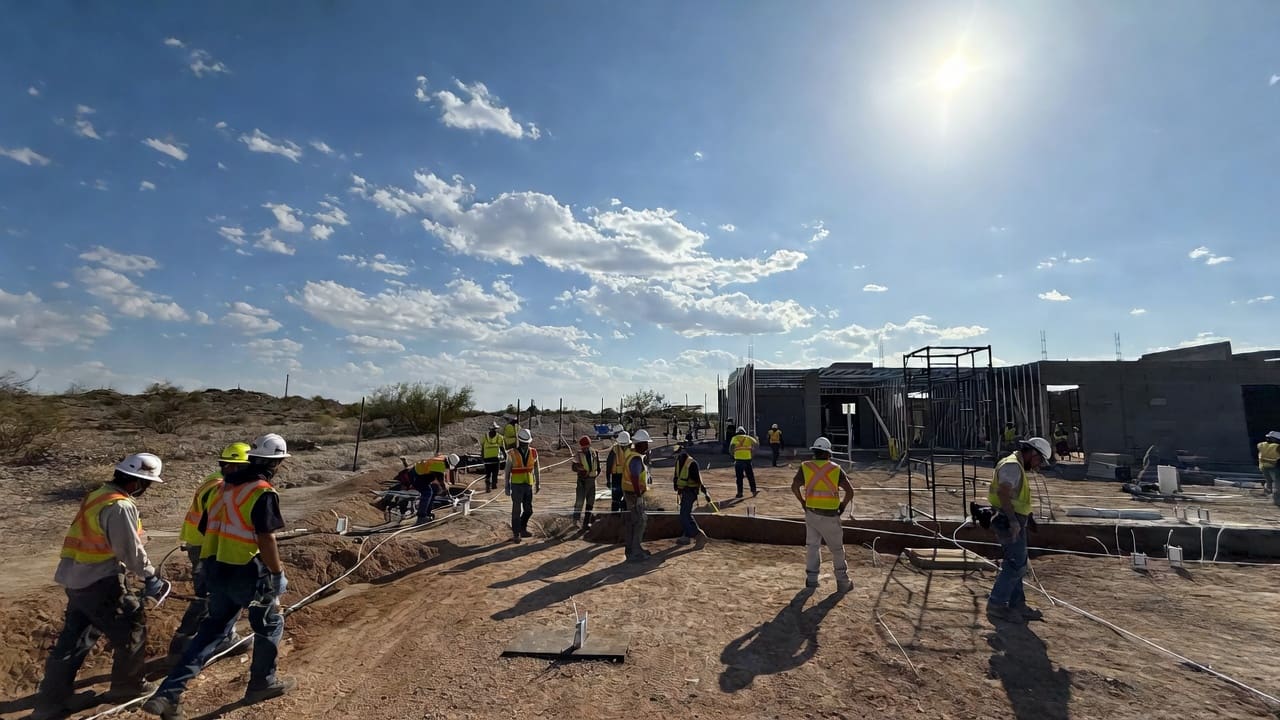
Arizona electrical contractors work in temperatures that regularly exceed 110°F for weeks at a time. Heat-related injuries are a real and recurring workers comp exposure. Electrocution risk doesn’t decrease in extreme heat — it compounds. Sweating hands, fatigue, dehydration, and impaired judgment all increase the likelihood of an incident on an active electrical system.
Your workers comp classification codes already reflect the elevated risk of electrical work. Arizona’s Registrar of Contractors requires licensing and proof of insurance. But Arizona’s heat makes managing that risk even more critical. A strong safety program with documented heat protocols, hydration requirements, and mandatory rest periods isn’t just good practice. It directly affects your experience modification rate and your ability to win bids.
Monsoon Season and Active Projects
Arizona’s monsoon season runs June 15 through September 30. Microbursts, flash flooding, and dust storms can damage active construction sites and destroy staged materials. Crews working on partially completed electrical systems face hazardous conditions during and after these events.
Builders risk coverage protects materials and work in progress during construction. An installation floater covers your panels, wiring, and switchgear from the time they leave your shop until the project is accepted. Both matter during monsoon season. Water intrusion into partially completed electrical installations can compromise the work and trigger costly rework or claims.
Don’t assume the general contractor’s builders risk policy covers your installation exposure. Verify it before monsoon season hits.
Completed Operations in a Growing Market
The pace of construction in Arizona means electrical contractors are completing more projects per year. Each one represents completed operations exposure. A wiring defect in a Scottsdale office build that causes a fire a year after completion is a completed operations claim.
Make sure your products-completed operations coverage hasn’t been restricted or excluded. Limits should match your per-occurrence limits. In a market where you’re closing out projects constantly, the volume of work behind you is your biggest latent risk.
Commercial Auto in the Phoenix Metro
If your electrical contracting business runs a fleet across the Phoenix metro, your commercial auto exposure is substantial. The metro area sprawls across thousands of square miles. Your trucks are on the road constantly — I-10, the 101, the 202, and surface streets with heavy construction traffic.
Arizona’s minimum liability requirements are low. If someone with minimum limits hits one of your vehicles and injures a crew member, you need your own coverage to fill the gap. Make sure your commercial auto limits reflect the actual risk, and don’t skip hired and non-owned coverage.
Tools and Equipment
Job site theft is a persistent issue in Arizona’s sprawling construction zones. An inland marine policy covers your tools, equipment, and materials wherever they are. Staged materials at an active site, equipment in transit, tools locked in a service truck overnight — all covered. Commercial property insurance alone doesn’t protect these assets off your premises.
Umbrella and Contract Requirements
Arizona’s commercial and industrial GCs require subs to carry umbrella coverage, additional insured endorsements, waiver of subrogation, and primary and noncontributory wording. If you’re bidding on semiconductor facility work, data centers, or large-scale commercial projects, you already know the requirements are strict.
Make sure your umbrella is broad enough to sit over your GL, auto, and employers liability without gaps. If your policy can’t deliver the contract requirements, you may be forced to scramble for endorsements at the last minute.
We Can Help
If you run an electrical contracting business in Arizona, get a quote or give us a call. We work with multiple carriers across Arizona that specialize in contractor risks. Learn more about our Arizona insurance services, or check out our Google reviews.
For more on commercial coverage, watch our videos on contractor insurance and umbrella policies.


